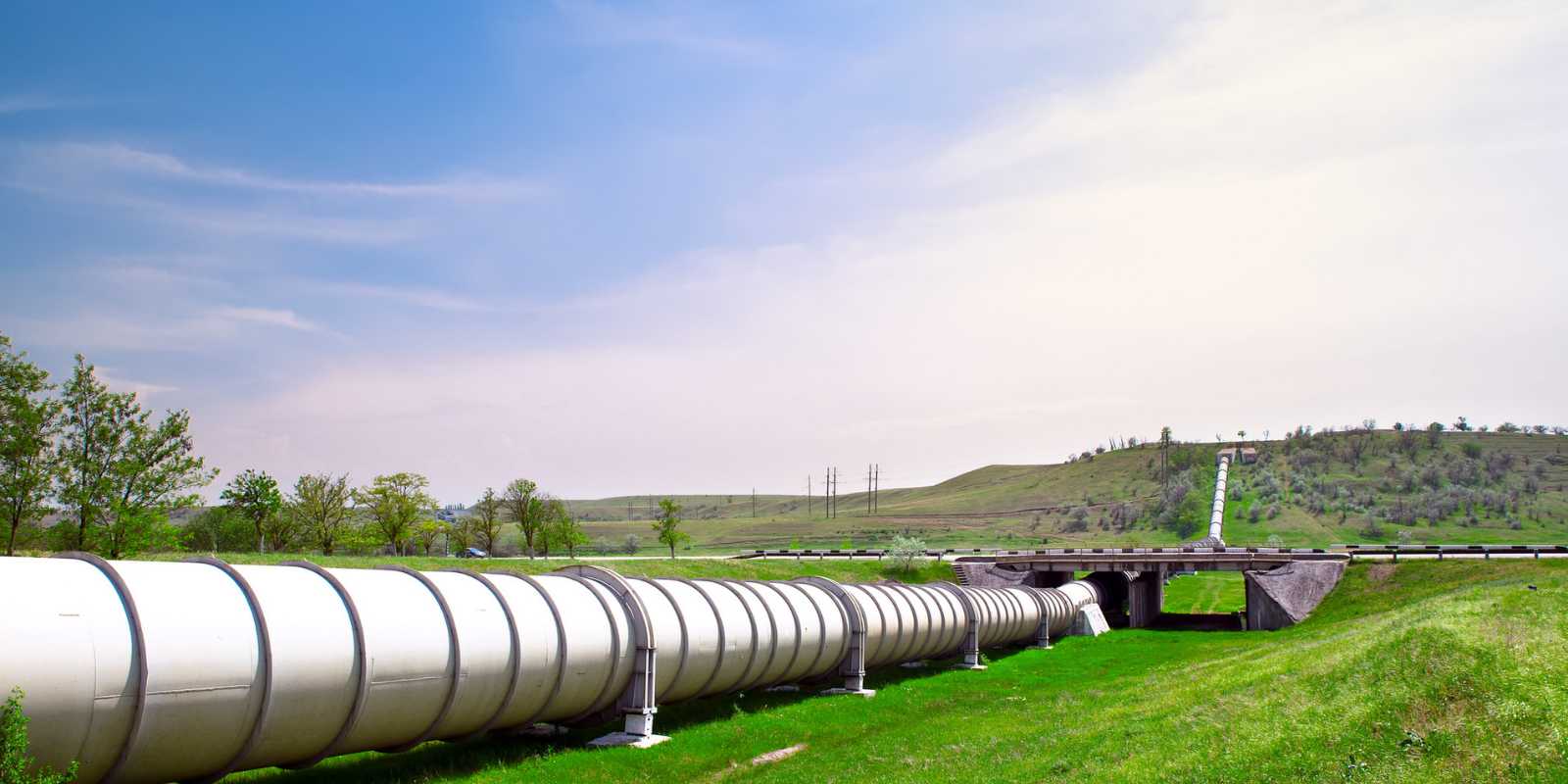
Drag reducing agents and pipeline looping are two common methods used to increase pipeline capacity, but they address different operational and economic objectives. DRAs provide a low‑capital, rapidly deployable solution that improves hydraulic performance by reducing internal friction losses. Pipeline looping, by contrast, increases capacity by constructing parallel sections of pipe, creating permanent physical expansion.
DRAs are generally preferred when capacity increases are required quickly or when future demand growth is uncertain. They involve minimal upfront capital investment and can be implemented in a matter of weeks or months rather than years. Because DRA injection is fully reversible, operators retain the ability to reduce or discontinue usage if market conditions change, making DRAs particularly well‑suited for brownfield pipelines that are mechanically sound but hydraulically constrained.
Pipeline looping is a long‑term infrastructure solution designed to deliver permanent capacity increases. While looping can exceed the ultimate capacity gains achievable with DRAs alone, it requires significant capital expenditure, extensive permitting, regulatory approvals, and right‑of‑way acquisition. Once commissioned, looped pipelines typically have lower incremental operating costs but lack the operational flexibility offered by chemical drag reduction.
In practice, many operators adopt a phased strategy by deploying DRAs to meet immediate or intermediate demand while evaluating or planning looping projects for long‑term growth. This approach enables rapid response to market conditions, earlier revenue realization, and improved capital discipline.