
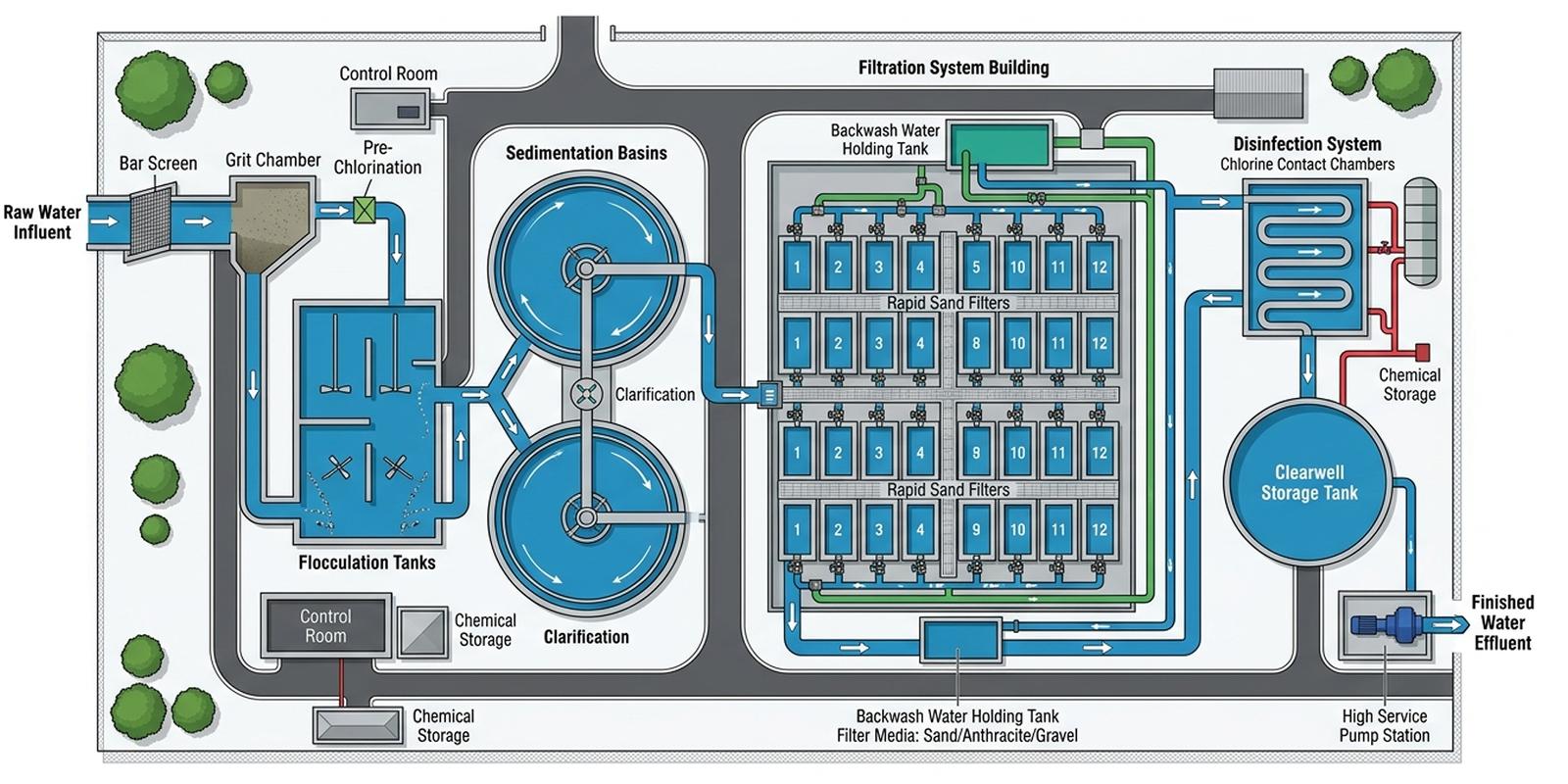

Producing safe, clean drinking water is one of the most important public health achievements of modern civilization. Every glass of tap water has traveled through a carefully engineered treatment process designed to remove contaminants, kill pathogens, and deliver water that meets strict quality standards — all before it reaches your faucet.
This guide walks through the major stages of the water treatment process, from raw water collection through final distribution, explaining what happens at each step and where Milton Roy's precision dosing, mixing, and process control technologies play a critical role in ensuring treatment effectiveness.
Stage 1: Raw Water Collection and Intake
Water treatment begins at the source — whether a river, lake, reservoir, or underground aquifer. Surface water sources typically contain suspended solids, organic matter, algae, and microorganisms that require multi-stage treatment. Groundwater sources are naturally filtered through geological formations but may contain dissolved minerals, iron, manganese, arsenic, or hydrogen sulfide that require targeted chemical treatment. The quality of the source water determines the treatment approach and chemical requirements for every downstream stage.
Groundwater Treatment
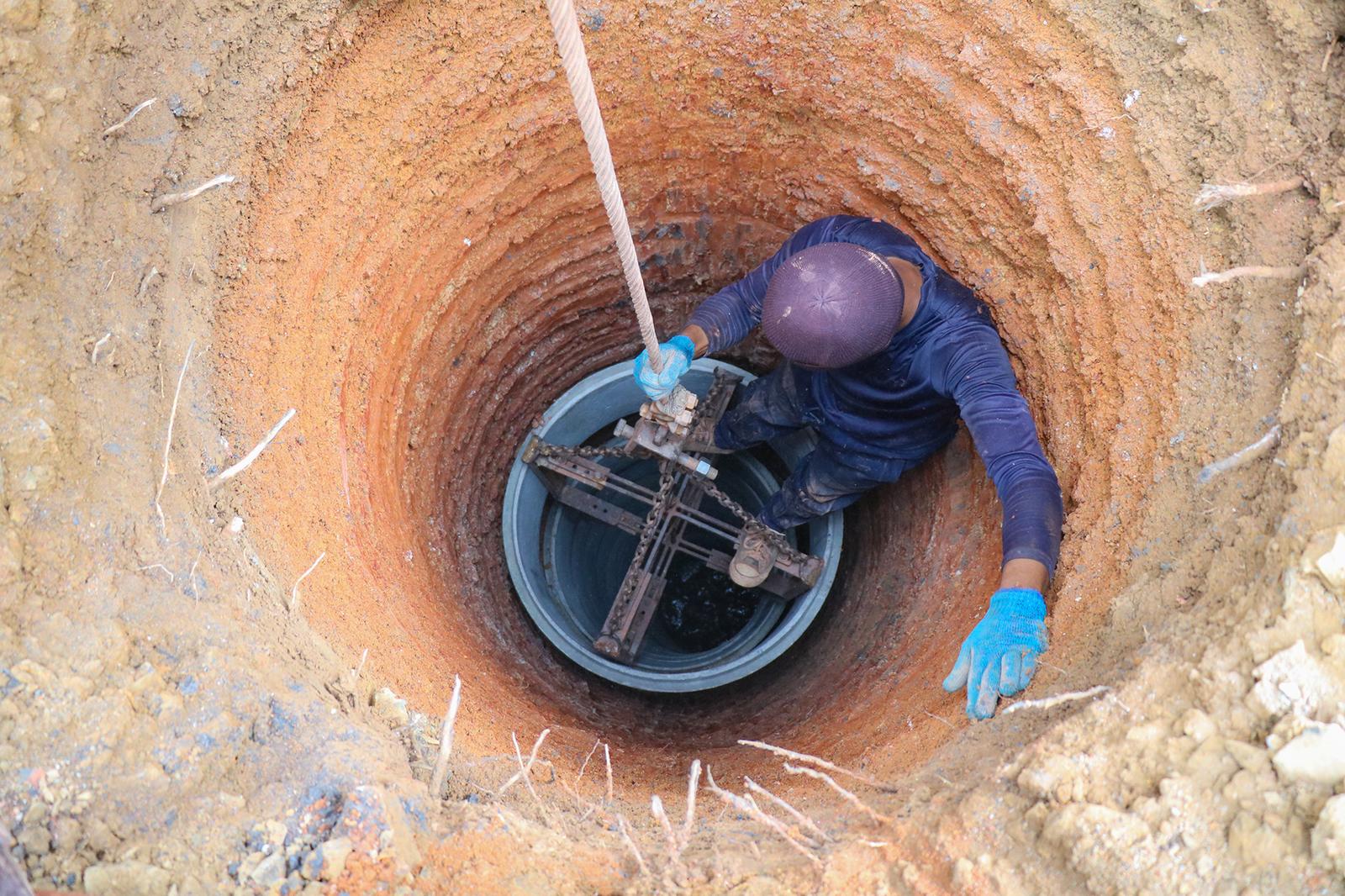
Groundwater is one of the world's most important freshwater resources, supplying drinking water to billions of people and supporting agricultural, industrial, and municipal operations across every continent. While groundwater is often perceived as cleaner than surface water — naturally filtered through geological formations — it presents its own set of treatment challenges that require specialized chemical dosing and process control solutions.
Surface Water Treatment
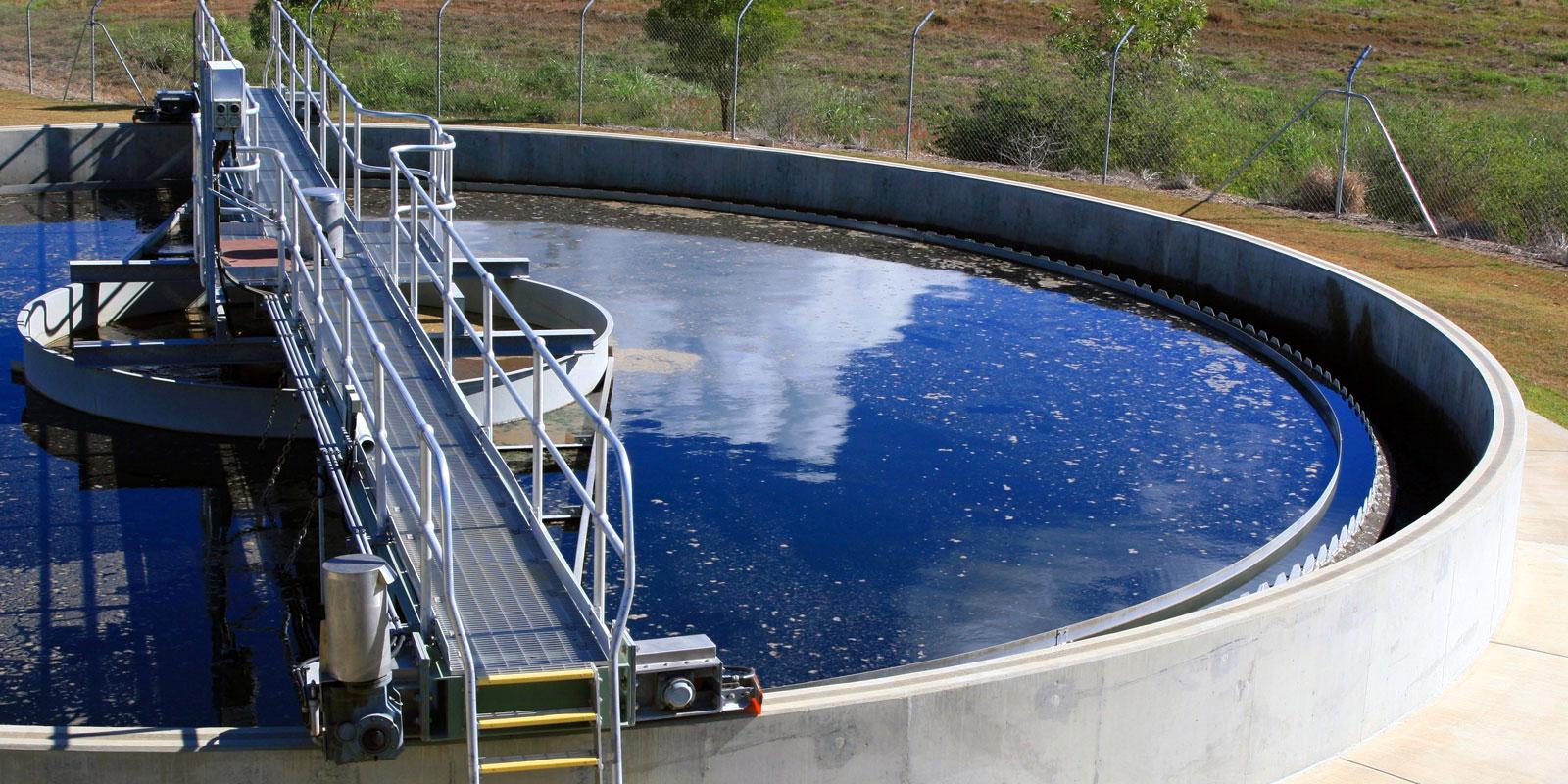
Surface water typically contains suspended solids, bacteria, algae, organic matter, and other impurities that can pose health risks while also affecting taste, odor, and clarity. Producing safe, high-quality drinking water therefore requires a carefully controlled treatment process designed to efficiently remove these contaminants.
Stage 2: Coagulation and Rapid Mixing
The first chemical treatment step involves dosing a coagulant — such as aluminum sulfate (alum), polyaluminum chloride (PAC), or ferric chloride — into the raw water. The coagulant neutralizes the electrical charge of suspended particles, allowing them to begin aggregating. This chemical must be dispersed rapidly and uniformly throughout the full water volume within seconds, which is why flash mixing is a mandatory first step in any surface water treatment process.
Milton Roy metering pumps inject coagulant at precisely controlled, flow-proportional rates, while Helisem and HM Series dynamic top-entry mixers deliver the intense, adjustable agitation needed for optimal coagulant dispersion. Streaming Current Detectors provide real-time feedback to automatically optimize dosing in response to changing raw water quality.
Flash Mixing
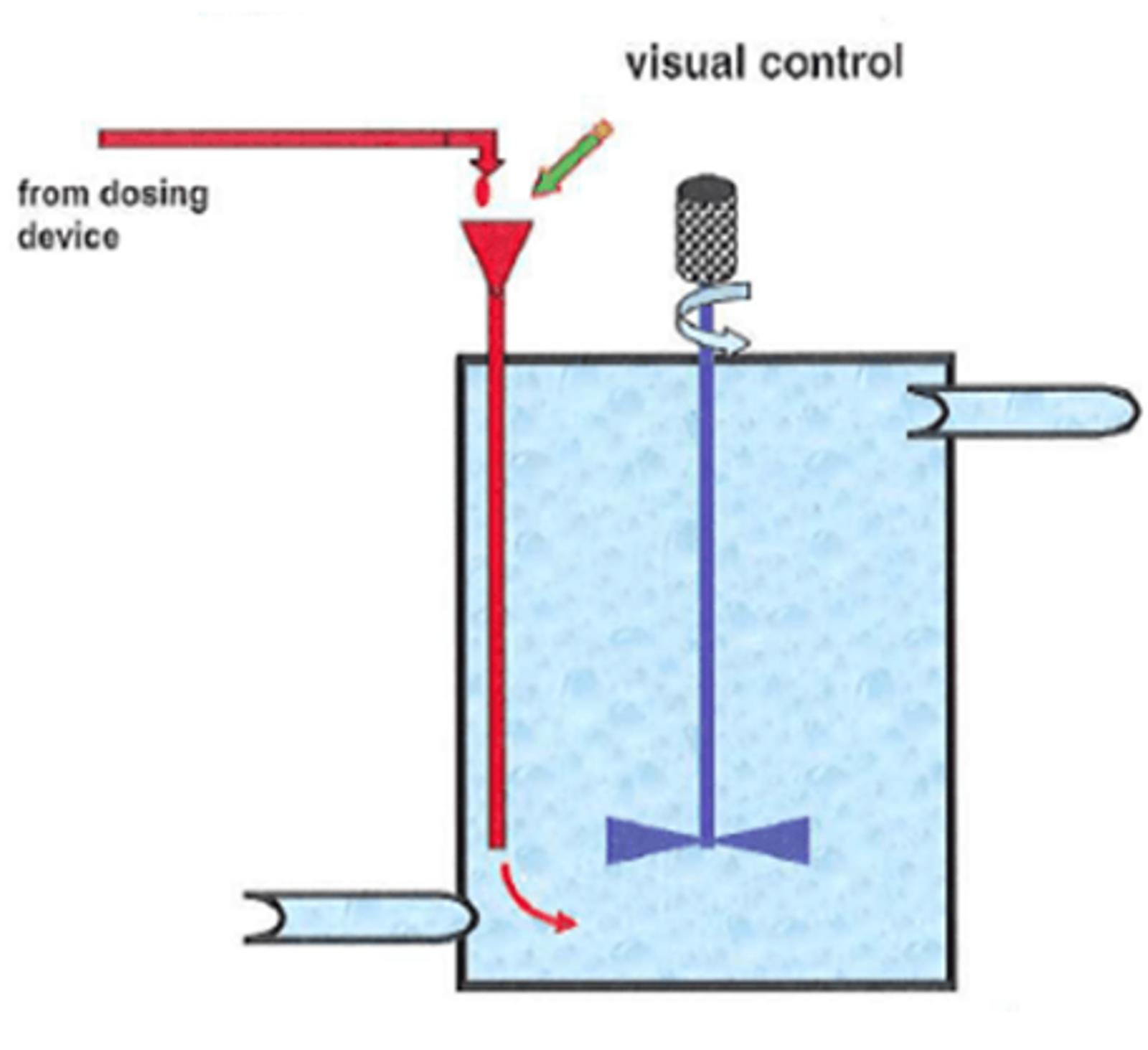
Flash Mixing is the process of quickly dispersing a coagulant, such as FeCl3, and PAC, in potable water treatment tanks where a large to extremely large volume of raw water is flowing. The purpose of flash mixing is to thoroughly mix dirty water with coagulant to effectively treat the water. The coagulant neutralizes the negative electrostatic charges that the impurities carry. As a result, they can no longer repel themselves and can be flocculated in the next step of the treatment process.
Coagulation & Flocculation
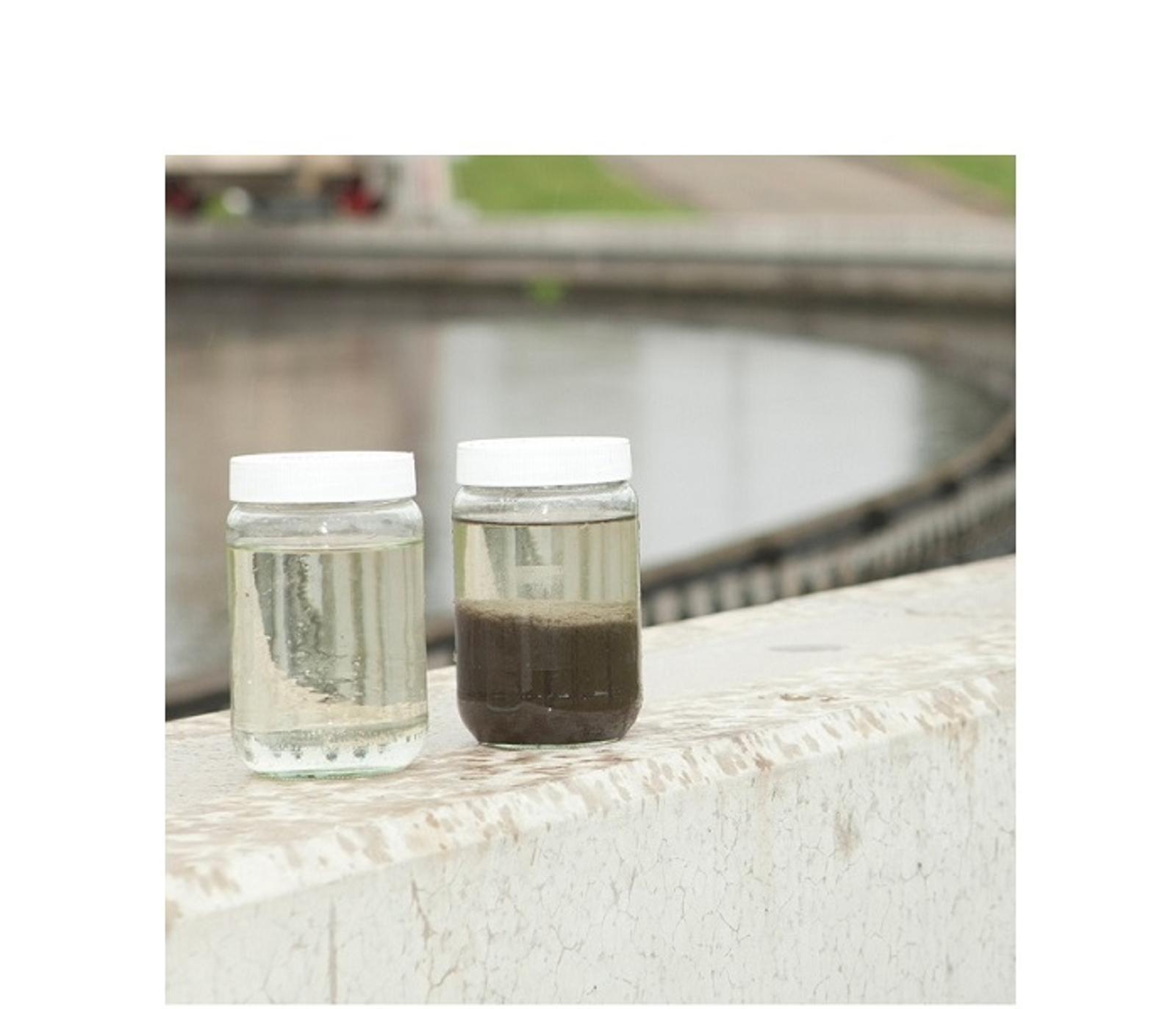
Coagulation and flocculation are both critical processes to separate and remove suspended solids in water and wastewater treatment. These processes improve the clarity of the water to reduce turbidity.Coagulation and flocculation pull out suspended solids that might take days or even decades to settle out of the water naturally.
Stage 3: Flocculation
After coagulation, the destabilized particles are gently mixed in flocculation tanks to promote particle-to-particle contact and form larger, heavier aggregates called flocs. Slow-speed mixers operate at carefully controlled energy levels — vigorous enough to promote contact, gentle enough not to break the fragile flocs apart. Polymer flocculant aids may be added to strengthen and enlarge the flocs for more efficient removal in the next stage. Milton Roy mixers and agitators provide the precise, variable-speed agitation needed for effective flocculation across a wide range of water conditions.
Stage 4: Sedimentation (Clarification)
The flocculated water flows into large sedimentation basins where gravity does the heavy lifting. Flocs — now much heavier than the surrounding water — settle to the bottom over the course of hours, forming a sludge layer that is periodically removed. The clarified water on top moves forward to filtration. Well-optimized coagulation and flocculation upstream directly determine sedimentation performance — better flocs mean faster settling, clearer supernatant, and reduced load on downstream filters.
Stage 5: Filtration
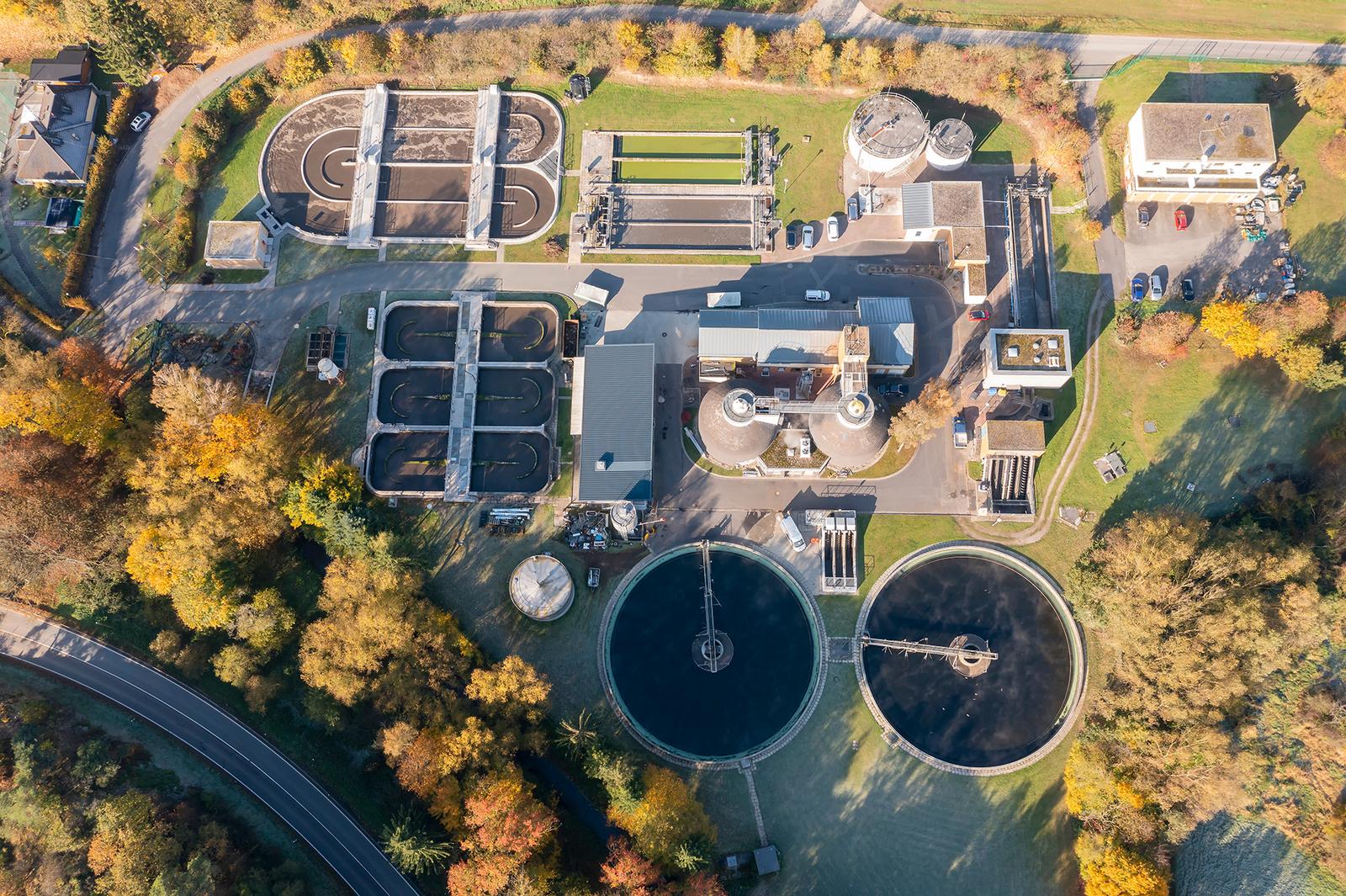
Even after sedimentation, the water still contains fine particles, some bacteria, and dissolved organic matter that are too small or light to settle. Filtration passes the water through layers of sand, gravel, and activated carbon that trap remaining particles and adsorb dissolved contaminants. Advanced systems may use membrane filtration (microfiltration, ultrafiltration, or reverse osmosis) for finer removal. Milton Roy metering pumps support filter aid dosing, pH adjustment ahead of membrane systems, and antiscalant injection for RO protection.
Stage 6: Disinfection
Disinfection is the final barrier against pathogenic microorganisms. The most common method is chlorination — dosing sodium hypochlorite or chlorine to kill bacteria, viruses, and protozoa. A residual disinfectant concentration is maintained to protect water quality throughout the distribution system. Other disinfection methods include chloramine, chlorine dioxide, ozone, and ultraviolet (UV) light. Milton Roy metering pumps provide the accurate, continuous disinfectant dosing needed to maintain safe residual levels without overdosing, which can create undesirable disinfection byproducts.

Stage 7: pH Adjustment and Corrosion Control
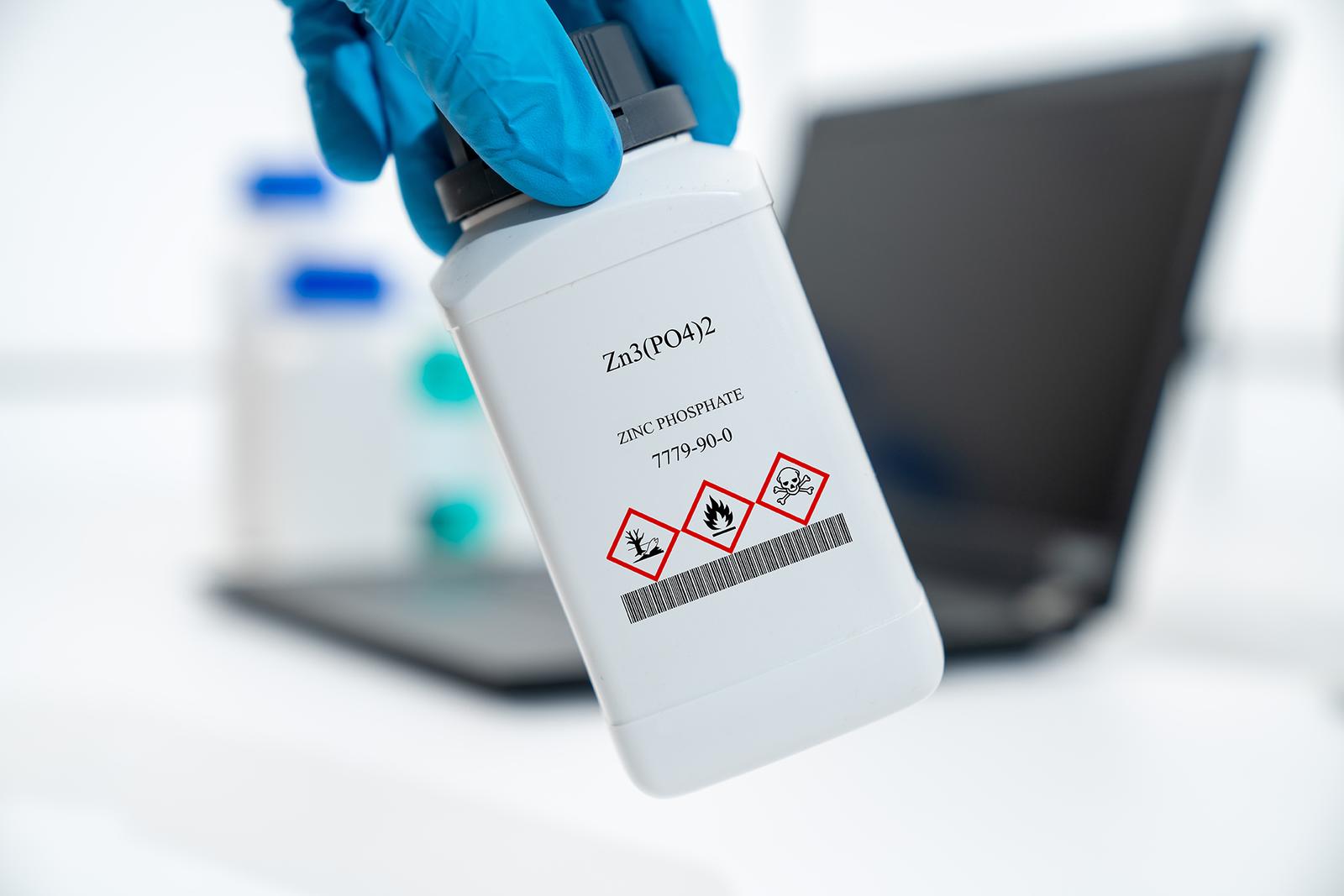
Before entering the distribution system, treated water is often adjusted to a slightly alkaline pH (typically 7.0–8.5) to minimize corrosion of pipes, fittings, and household plumbing. Corrosion inhibitors — such as orthophosphate or zinc orthophosphate — may be dosed to form a protective film on pipe surfaces, preventing lead and copper from leaching into the water. Milton Roy metering pumps handle pH adjustment chemicals and corrosion inhibitors with the precision and reliability these critical public health applications demand.
Stage 8: Storage and Distribution
Treated water is stored in reservoirs and elevated tanks before being distributed through a network of underground pipes to homes, businesses, schools, and hospitals. Throughout this network, water quality must be maintained — residual disinfectant levels monitored, pressure regulated, and any potential recontamination prevented. The precision of upstream treatment directly determines how well water quality is preserved during distribution.
Milton Roy: Precision at Every Stage of the Treatment Process
From coagulant dosing and flash mixing at the front of the plant to disinfection and corrosion control at the back, Milton Roy provides the technologies that make every stage of the water treatment process more precise, more reliable, and more cost-effective. Our comprehensive portfolio of metering pumps, mixers, streaming current detectors, and packaged dosing systems — combined with LMI controllers and instrumentation — delivers a complete dosing and process control ecosystem for modern water treatment.