What Is BS&W and How Does It Form?
Crude oil is never pure. From the wellhead through pipelines, vessels, and terminal storage, it carries a complex mixture of entrained solids and water. Sand and clay particles originate from the reservoir formation. Salt and brine are produced alongside the oil. Water is frequently injected upstream to improve flow assurance in long-distance pipelines. Waxes and asphaltenes — heavy molecular fractions naturally present in crude — precipitate as temperature and pressure conditions change during transportation and storage.
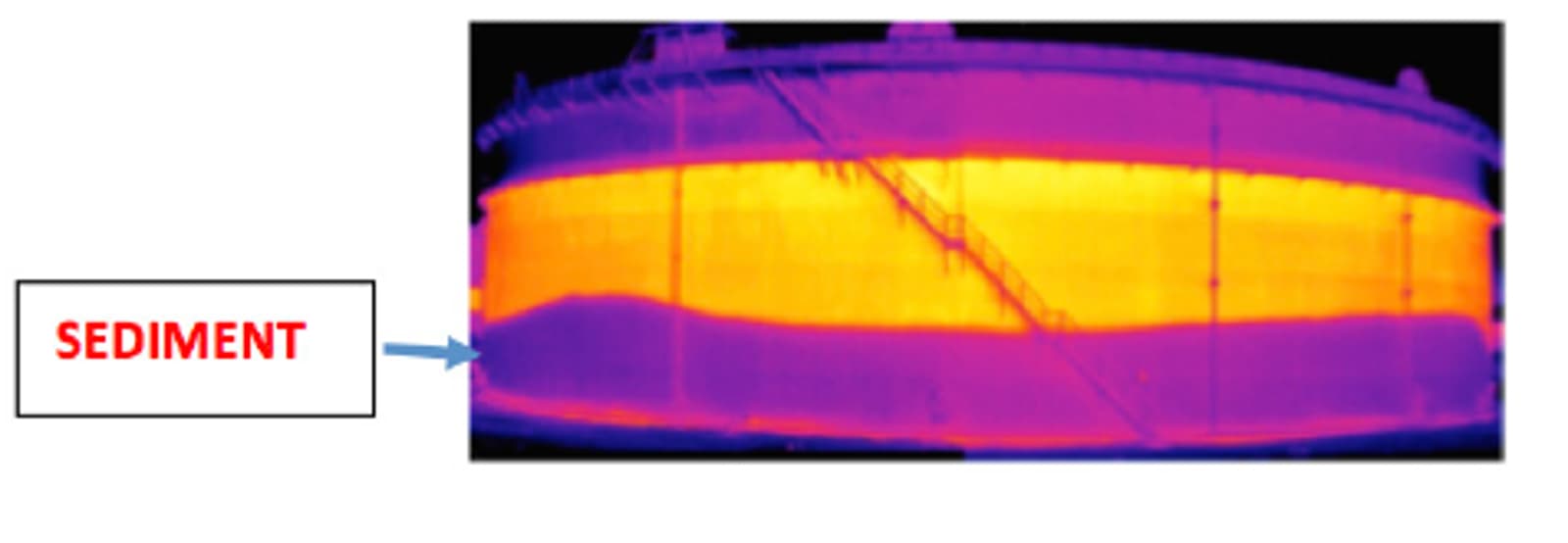
Inside a storage tank, gravity does the rest. Solids and water, being denser than the oil phase, migrate downward and accumulate on the tank floor. Over weeks and months, this material compacts into an increasingly dense, immobile layer — a process the industry calls"sanding-in." Left unmanaged, this layer can grow to occupy 10–30% of the tank's nominal volume, effectively converting productive storage capacity into dead space.
The problem compounds with unconventional and heavy crude grades. These lower-API oils carry higher concentrations of asphaltenes, resins, and fine solids, accelerating sludge formation rates dramatically compared to lighter, conventional crudes such as WTI (West Texas Intermediate) or Brent.