Products
Metering Pumps
Process Pumps
Mixers
Systems & Skids
Electronics and Metering
Valves and Accessories
Industries & Applications
Water Treatment
Energy
Pyrolysis Plastics Recycling
Lithium Mining
Essential Oil Extraction
Palm Oil Production
Technology
Metering Pump Technology
Metering Pump Principles
Aftermarket & Support
CARE Maintenance Plans
Spare Parts Inventory
Resources
White Paper
Case Studies
Webinars on Demand
Digital Support Files
Certifications
Milton Roy YouTube Channel
Sales Terms & Conditions
About Us
News
Knowledge Hub
Careers
Sign Up for Newsletter

Drag Reducing Agents are chemical additives injected into liquid pipelines to increase flow throughput by reducing frictional pressure losses. A single, well-designed DRA injection system can unlock 10 to 40 percent or more additional pipeline capacity — without a single meter of new pipe, without additional pump stations, and without the capital cost and lead time of infrastructure expansion.

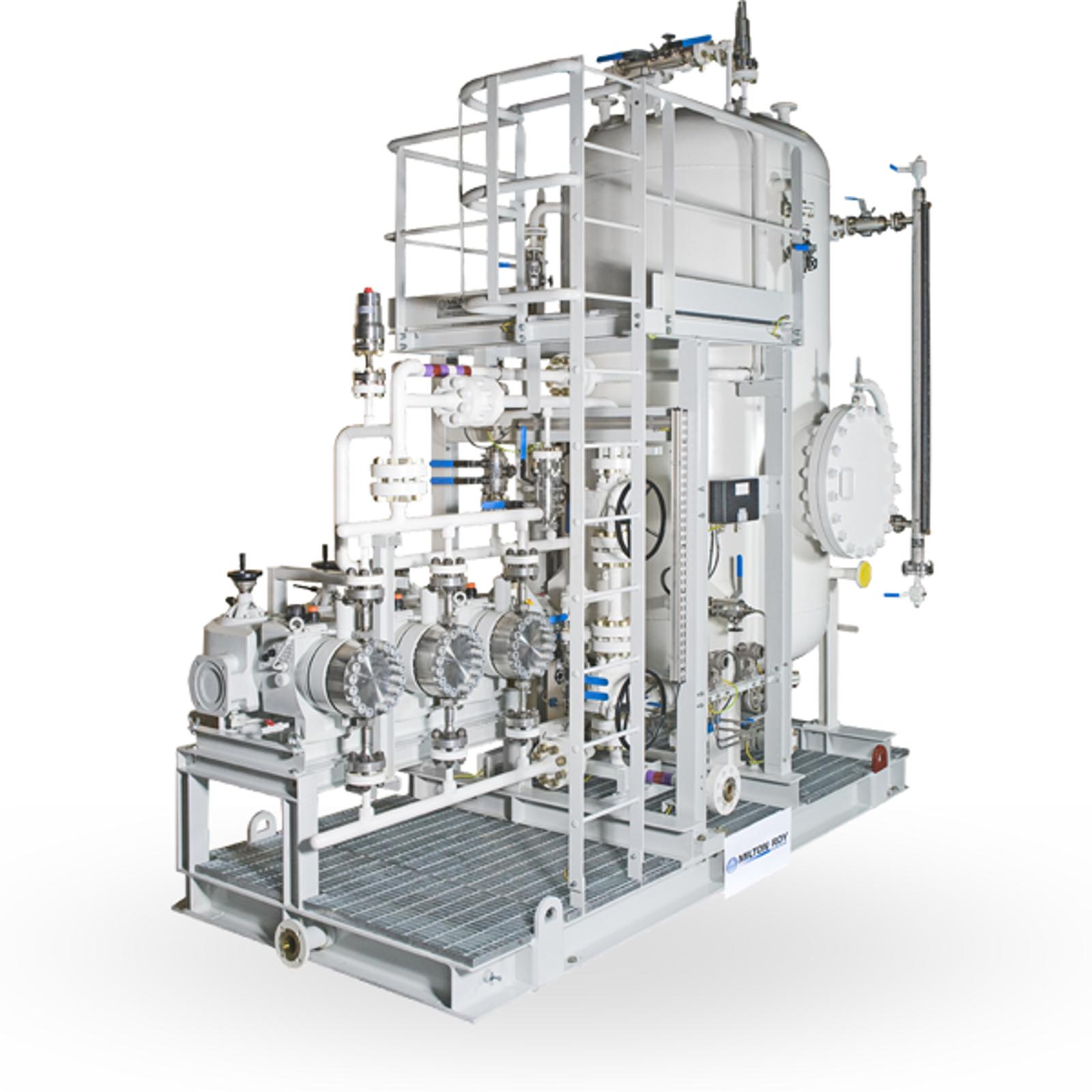
With decades of experience in severe-duty chemical injection and a field-proven design philosophy, Milton Roy has become the industry standard for pumping drag reducing agents in crude oil, refined product, and multiphase pipelines worldwide. Our DRA pumping solutions deliver accurate, repeatable injection at strategic points along the pipeline network, ensuring optimal DRA performance while protecting the integrity of shear-sensitive polymers.

Why DRA Injection Is a Specialized Pumping Challenge

Drag reducing agents are not ordinary chemicals. Most commercial DRAs are ultra-high molecular weight polymers — long-chain molecules that are extremely effective at suppressing turbulence but also extremely sensitive to mechanical shear. A standard metering pump that works perfectly for corrosion inhibitors or biocides can destroy a DRA's molecular structure before it ever reaches the pipeline, rendering the chemical ineffective and wasting expensive product.

That is why DRA pumping requires purpose-designed equipment that combines metering precision with low-shear fluid handling — a combination that defines Milton Roy's approach to this application.

Drag Reducing Agents vs. Pipeline Looping

Drag reducing agents and pipeline looping are two common methods used to increase pipeline capacity, but they address different operational and economic objectives. DRAs provide a low‑capital, rapidly deployable solution that improves hydraulic performance by reducing internal friction losses. Pipeline looping, by contrast, increases capacity by constructing parallel sections of pipe, creating permanent physical expansion.

DRAs are generally preferred when capacity increases are required quickly or when future demand growth is uncertain. They involve minimal upfront capital investment and can be implemented in a matter of weeks or months rather than years. Because DRA injection is fully reversible, operators retain the ability to reduce or discontinue usage if market conditions change, making DRAs particularly well‑suited for brownfield pipelines that are mechanically sound but hydraulically constrained.

Pipeline looping is a long‑term infrastructure solution designed to deliver permanent capacity increases. While looping can exceed the ultimate capacity gains achievable with DRAs alone, it requires significant capital expenditure, extensive permitting, regulatory approvals, and right‑of‑way acquisition. Once commissioned, looped pipelines typically have lower incremental operating costs but lack the operational flexibility offered by chemical drag reduction.

In practice, many operators adopt a phased strategy by deploying DRAs to meet immediate or intermediate demand while evaluating or planning looping projects for long‑term growth. This approach enables rapid response to market conditions, earlier revenue realization, and improved capital discipline.

Benefits of Drag Reducing Agents in Pipeline Operations

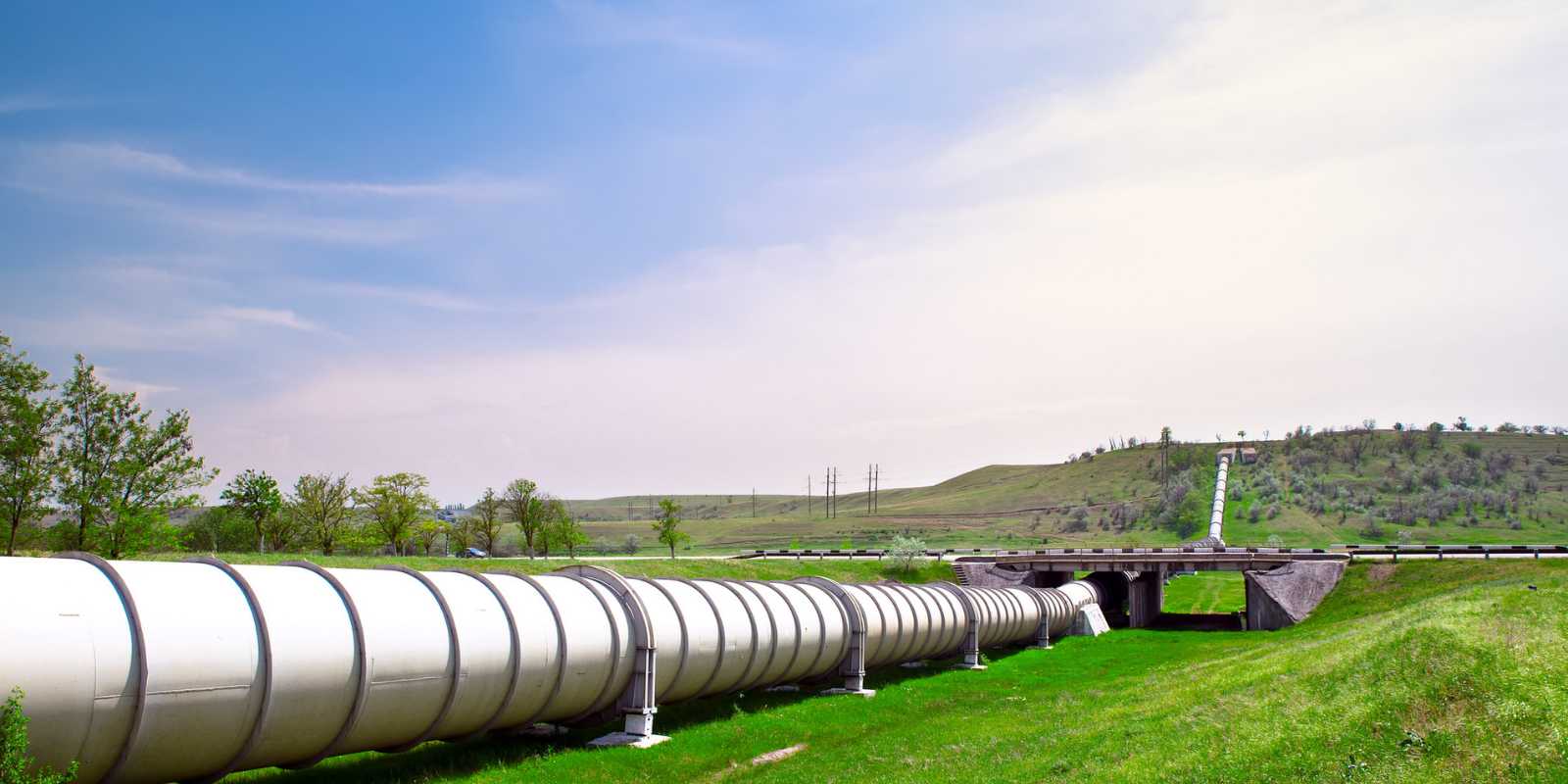
By reducing frictional pressure losses, DRAs allow higher flow rates within existing operating pressure limits. Throughput increases of 10 to 40 percent or more are commonly achieved, enabling operators to fully utilize installed pipeline assets without investing in new pipelines, additional pump stations, or looping infrastructure.

How DRA Injection Works

DRA is typically injected at one or more strategic points along the pipeline — often at pump station discharge or at pipeline entry points. The DRA chemical is drawn from a storage tank and metered into the pipeline through an injection quill or nozzle at a precisely controlled rate.

Once in the pipeline, the long-chain DRA polymer molecules interact with turbulent flow structures near the pipe wall, suppressing the formation and propagation of turbulent eddies. This reduces the energy lost to friction, effectively making the pipeline hydraulically smoother and allowing more product to flow at the same operating pressure.

The effectiveness of DRA injection depends on several factors: the type and concentration of DRA used, the crude oil properties (viscosity, density, flow regime), the pipeline diameter and roughness, and — critically — the quality of the injection system. A pump that degrades the DRA polymer through excessive shear will significantly reduce the chemical's effectiveness, increasing consumption and cost while reducing the throughput benefit.

Milton Roy pumps are the industry standard for DRA

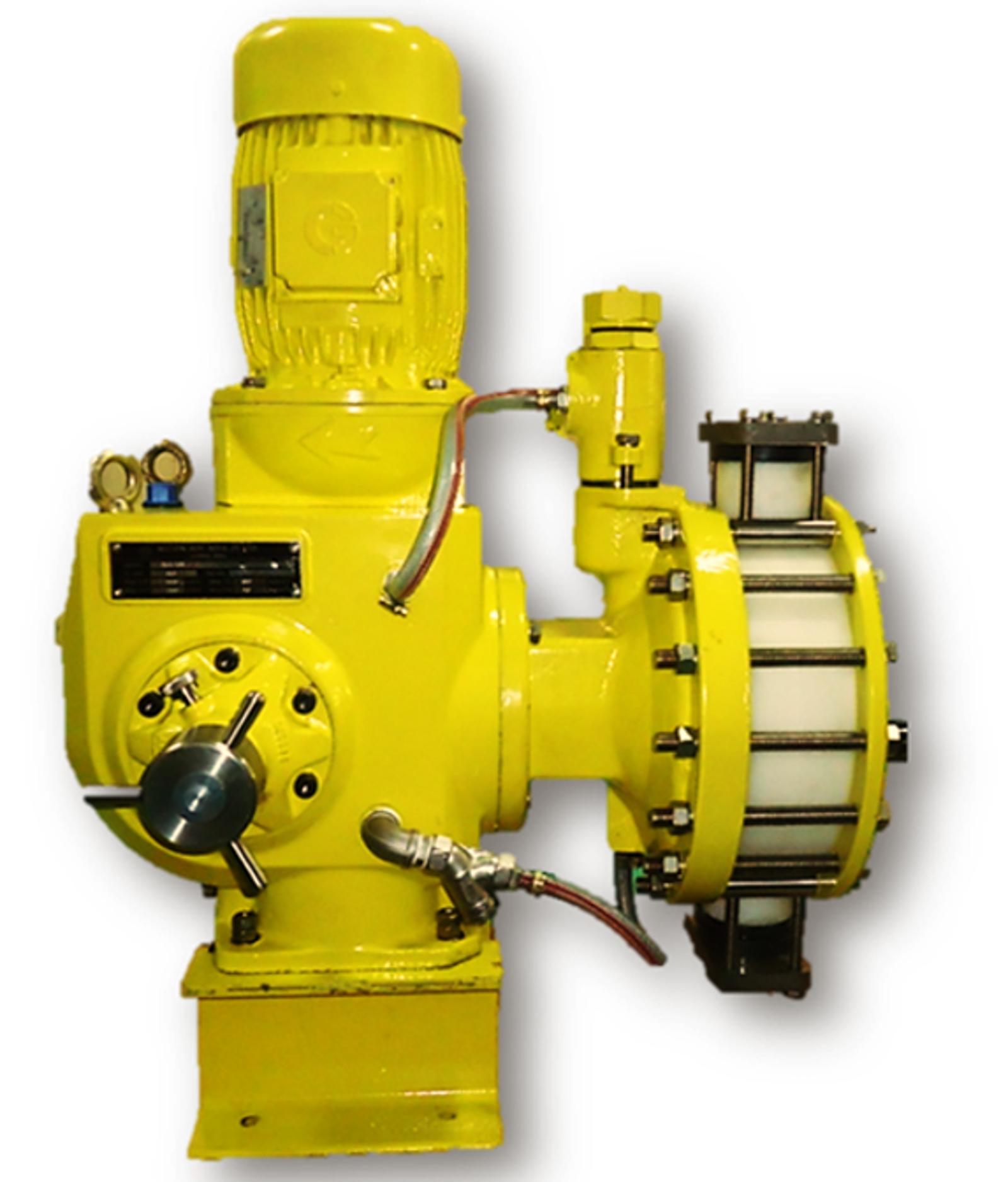
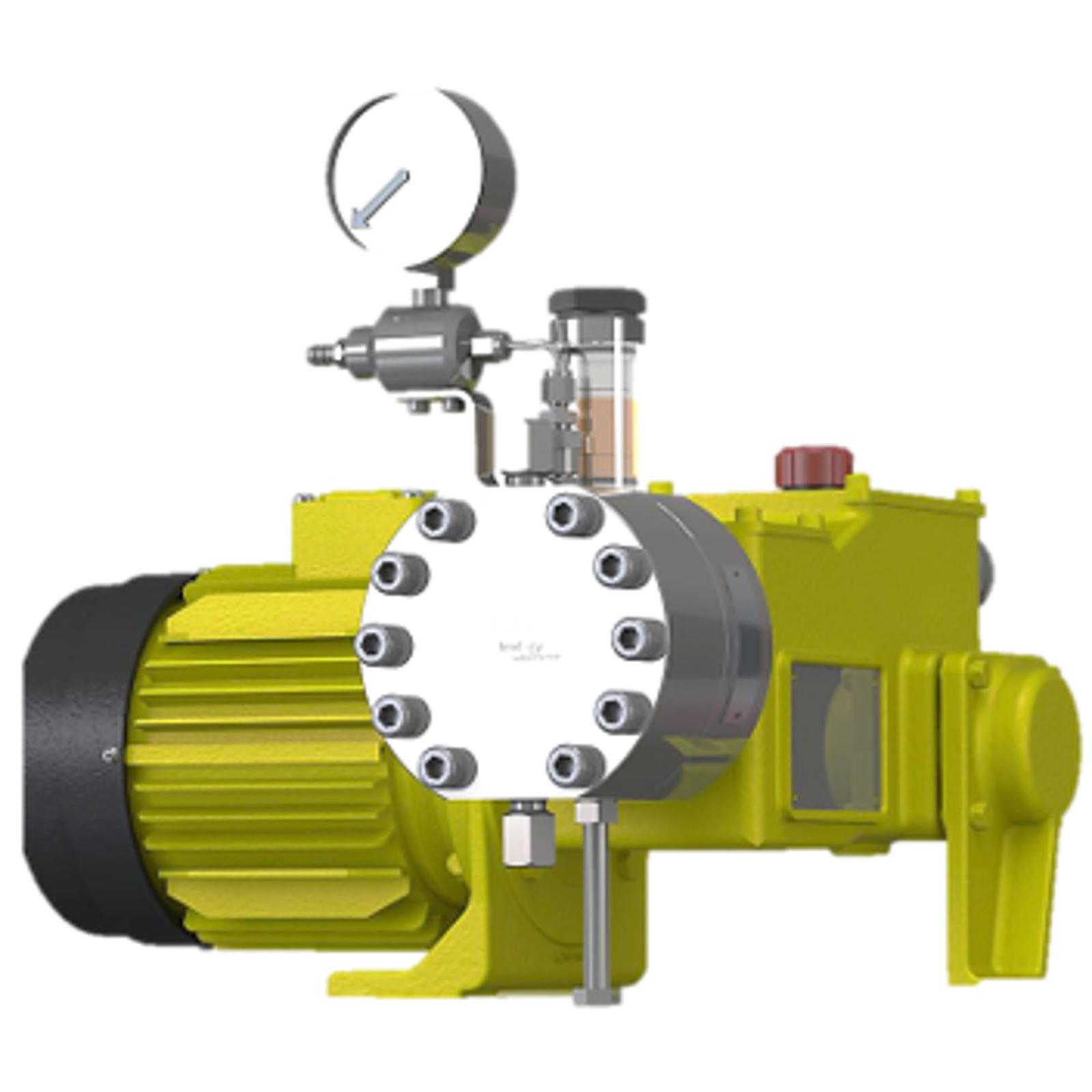
Milton Roy's DRA pumping solutions are built on the Primeroyal and Milroyal series positive displacement metering pumps — the same proven platforms that serve the most demanding chemical injection applications across the global oil and gas industry.

Recommended pump ranges for DRA service

DRA Applications Across Pipeline Types

The largest and most common application for DRA injection. Crude oil pipelines transport heavy, viscous fluids over long distances where frictional losses are significant. DRA injection can dramatically increase throughput capacity and reduce pumping energy consumption — often delivering payback periods measured in weeks rather than months.