
Many industrial catalysts — including organometallic compounds, chromium-based catalysts, and metal carbonyls — are acutely toxic. Zero-leak containment and fail-safe diaphragm design are not optional features; they are safety requirements. Milton Roy hydraulically-actuated diaphragm pumps provide multiple layers of containment, with rupture detection systems that alert operators before any process fluid can escape the pump.
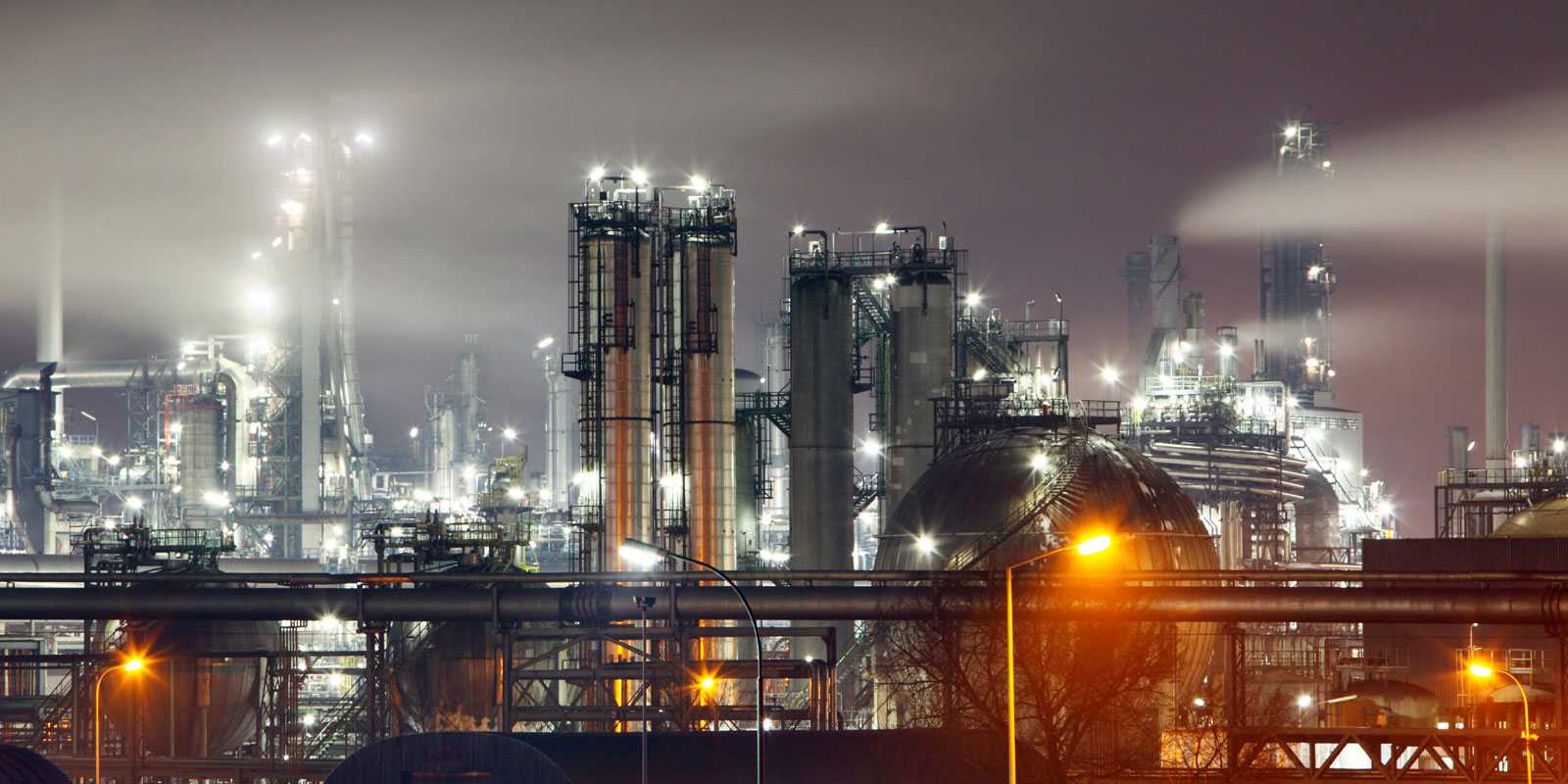
Catalysts are at the heart of industrial chemistry. They initiate, accelerate, and direct the reactions that convert raw feedstocks into high-value products across petrochemical plants, refineries, chemical manufacturing facilities, and polymer production lines. But catalysts are also among the most demanding fluids to handle — often toxic, corrosive, abrasive, viscous, temperature-sensitive, or exceptionally expensive.
When the catalyst is wrong — even slightly — the consequences are immediate: reduced conversion efficiency, off-spec product, wasted feedstock, accelerated equipment degradation, and potential safety incidents. That is why catalyst reactor charge pumping is not a standard metering task. It is a precision-critical application where dosing accuracy, materials compatibility, and operational safety must all be engineered into the system from the start.
Milton Roy has decades of experience providing metering pump technology for catalyst reactor charge applications. Our hydraulically-actuated diaphragm pumps are designed to deliver ±1% steady-state accuracy with 100:1 turndown ratios — ensuring safe, precise catalyst dosing under the most demanding process conditions.
Why Catalyst Dosing Is Different from Standard Chemical Injection
Where Catalyst Reactor Charge Pumps Are Used
Catalyst dosing is embedded in a wide range of industrial processes. Milton Roy metering pumps support catalyst injection across multiple industries and reactor types:
Industry | Key Reactor / Process Types | Typical Catalyst Dosing Applications |
Petrochemical processing | Fluid catalytic cracking (FCC), steam cracking, hydrocracking, polymerization (autoclave & tubular reactors) | Catalyst charge, initiator and co-catalyst injection, molecular weight control, polymer property optimization |
Refinery operations | Catalytic reforming, hydrotreating, alkylation, isomerization | Catalyst activation agents, regeneration chemicals, promoter injection, yield and quality improvement |
Chemical manufacturing | Oxidation, hydrogenation, chlorination, fine & specialty chemical reactors | Reaction control, selectivity optimization, batch-to-batch consistency |
Renewable fuels & advanced recycling | Renewable diesel (HVO/HEFA), pyrolysis-based plastic recycling | Catalyst and process chemical injection for product quality and equipment protection |

Milton Roy Products for Catalyst Reactor Charge Service
Milton Roy metering pumps for catalyst applications are built on proven hydraulically-actuated diaphragm technology — the safest and most accurate metering principle for toxic, corrosive, and difficult fluids in continuous industrial service.
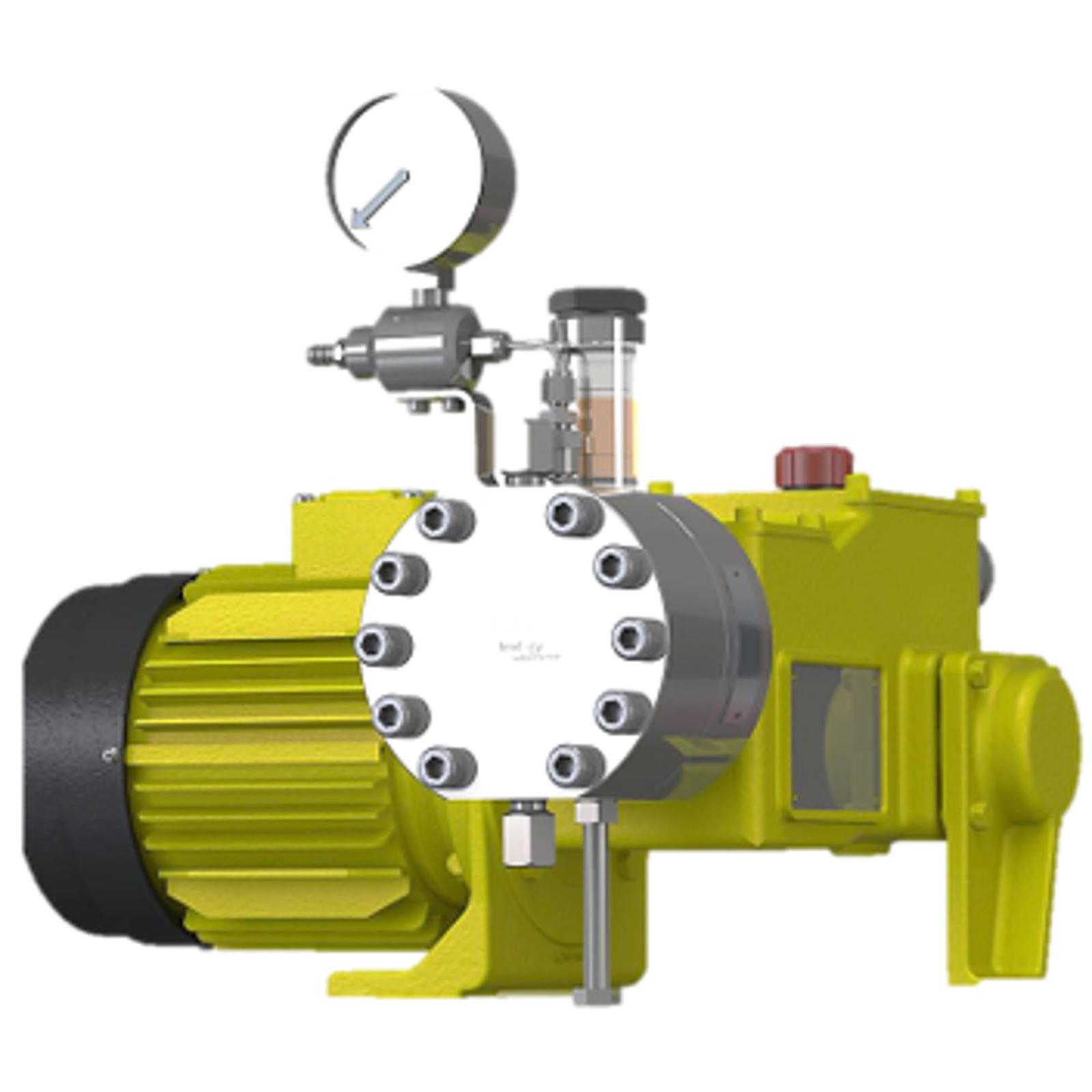
Milroyal D
High-pressure, critical process catalyst injection — the go-to for demanding petrochemical and refinery reactor charge service
.png?format=pjpeg&width=1600&quality=75&auto=webp)
Milroyal B / C
Mid-range industrial catalyst dosing — modular design with multiple liquid-end options
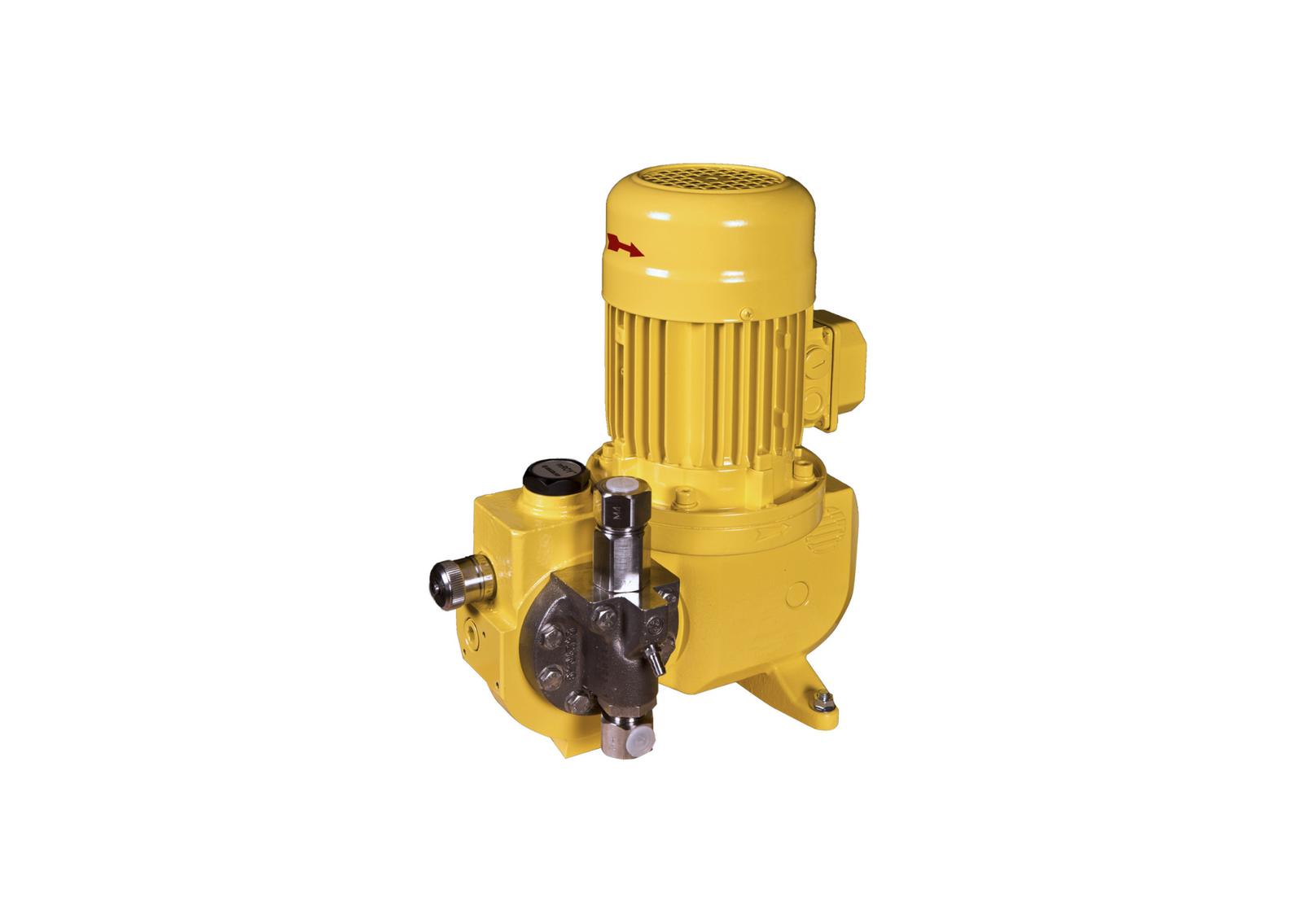
mRoy
Versatile catalyst and chemical injection — metallic and non-metallic liquid ends, compact footprint
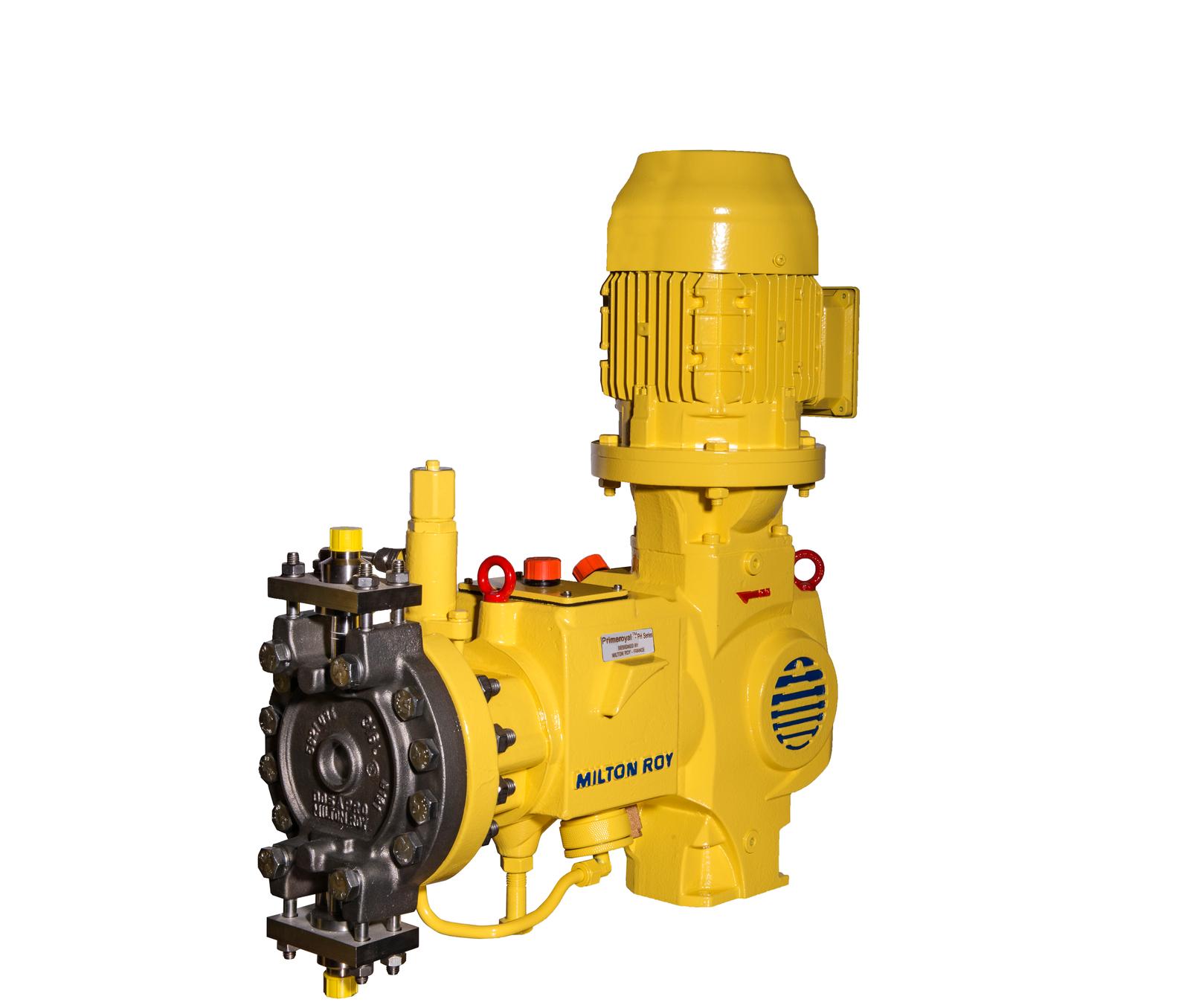
Primeroyal
Higher flow and higher pressure catalyst applications — for larger reactor systems
Engineered Packages for Catalyst Injection
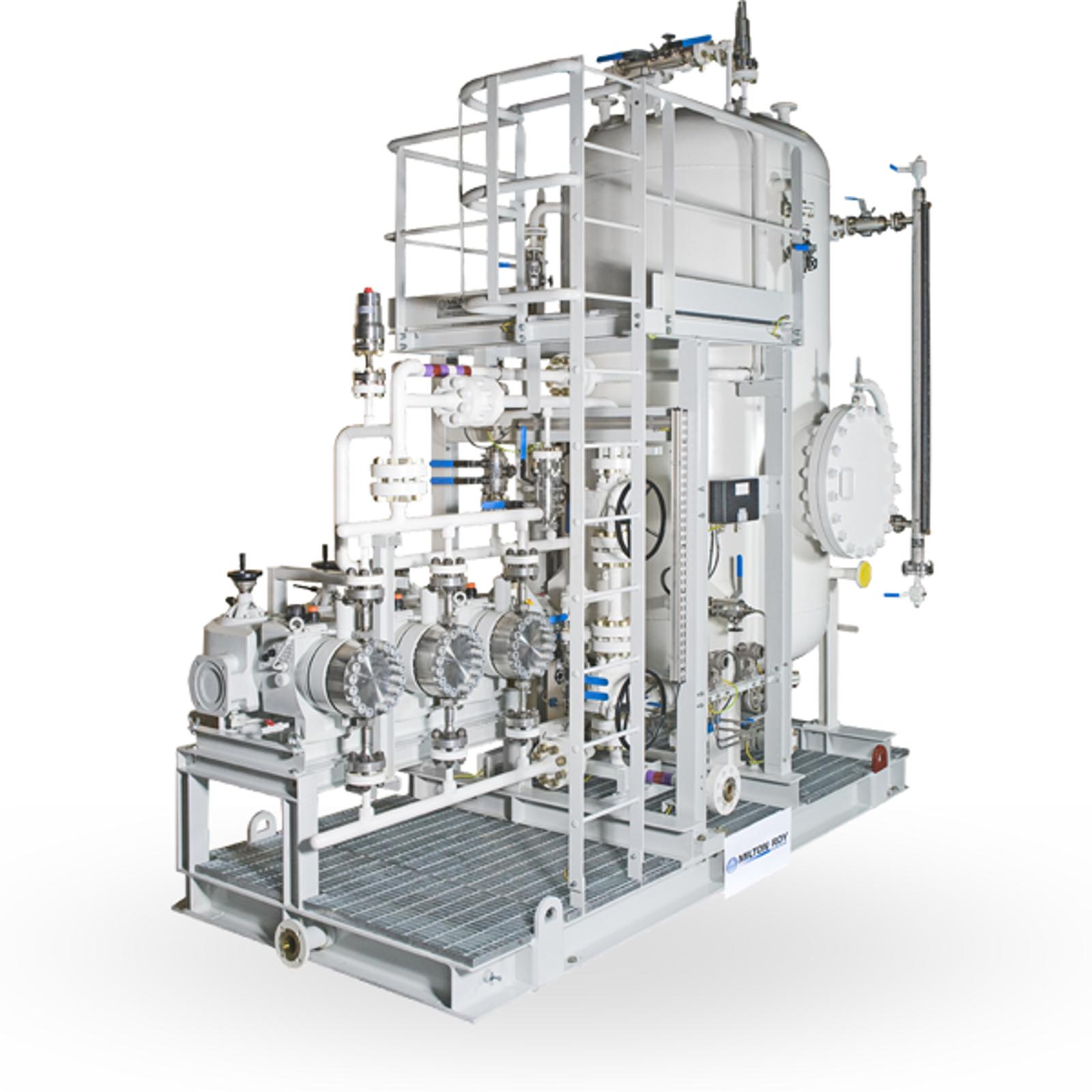
When the application requires more than a standalone pump, Milton Roy designs and manufactures complete catalyst injection packages — integrating metering pumps, piping, instrumentation, safety systems, and controls into a single, pre-tested skid ready for installation. Our engineering teams work with your process specifications to deliver a solution that meets your exact requirements, from feasibility study through commissioning and ongoing technical support.
Eliminating reactor shutdowns at a polyethylene plant
A major Texas polyethylene producer was losing hundreds of thousands of dollars per hour due to catalyst pump failures. See how a customized Milroyal B solved the problem - permanently.