Products
Metering Pumps
Process Pumps
Mixers
Systems & Skids
Electronics and Metering
Valves and Accessories
Industries & Applications
Water Treatment
Energy
Pyrolysis Plastics Recycling
Lithium Mining
Essential Pil Extraction
Palm Oil Production
Technology
Water Treatment
Energy
General Industry
Metering Pump Technology
Metering Pump Principles
Petrochemical Industry
Aftermarket & Support
CARE Maintenance Plans
Spare Parts Inventory
Resources
White Paper
Case Studies
Webinars on Demand
Digital Support Files
Certifications
Milton Roy YouTube Channel
Sales Terms & Conditions
About Us
News
Knowledge Hub
Careers
Sign Up for Newsletter

Every industrial mixer generates three effects in the fluid it moves: flow, turbulence, and shear. The balance between these effects determines whether a mixer is suited for gentle blending or aggressive dispersion — and getting that balance wrong can compromise the entire process.

Low shear mixers are specifically designed to maximize fluid flow while minimizing the localized mechanical forces that can damage shear-sensitive materials. In water and wastewater treatment, this distinction is not academic, it is the difference between a flocculation stage that produces large, settleable flocs and one that destroys them.

What Is Shear in Mixing?

Shear is the difference in velocity between adjacent layers of fluid. In a mixing vessel, the impeller creates velocity gradients — the fluid nearest the blade moves fastest, while fluid further away moves more slowly. The steeper the velocity gradient, the higher the shear.

When shear is applied to a non-Newtonian fluid — a fluid whose viscosity changes under mechanical stress — the behavior varies depending on the fluid type. Pseudoplastic fluids become thinner and flow more easily under shear, which is why paint is easy to brush but holds its shape on the wall. Dilatant fluids do the opposite — they thicken under stress, like wet sand that stiffens when you step on it. Bingham plastics behave as solids until a minimum shear threshold is reached, then flow freely. Thixotropic fluids thin gradually over time under constant shear, while rheopectic fluids thicken over time.

Understanding these behaviors is essential for selecting the right mixer for any process. Specific power (W/m³) and the G-value (velocity gradient, expressed in s⁻¹) are the engineering parameters used to quantify and control shear in a mixing system.
Why Low Shear Mixing Is Critical in Water Treatment

In water and wastewater treatment, low shear mixing plays a central role at several critical process stages — most importantly during flocculation.

  • Flocculation is the gentle agitation of chemically treated water to promote the aggregation of destabilized particles into larger, heavier masses called flocs. These flocs are inherently fragile — held together by weak electrostatic and polymer-bridging forces. If the mixer generates excessive shear, the flocs break apart into smaller fragments that settle poorly, pass through filters, and compromise downstream treatment quality. Effective flocculation demands high volumetric flow — to maximize particle-to-particle contact — with the lowest possible shear, to preserve floc integrity throughout the 15 to 30 minute residence time.
  • Polymer preparation is another application where low shear is essential. High-molecular-weight polyacrylamides used for sludge conditioning and flocculation must be dissolved and hydrated gently. Excessive shear during preparation breaks the long polymer chains, permanently destroying their ability to bridge and aggregate particles. The result is wasted chemical and poor dewatering performance.
  • Solid suspension in large tanks and basins also requires a low shear approach. The objective is to maintain particles uniformly distributed throughout the volume using powerful axial flow, without the energy waste and turbulence associated with high-shear designs.

Low Shear vs. High Shear: When to Use Each

The fundamental tradeoff in mixer design is between flow and shear. For the same power input, a mixer that produces more flow generates less shear, and vice versa. The impeller type and rotational speed determine where on this spectrum a mixer operates.

In a water treatment plant, both types of mixing work in sequence: high shear flash mixing disperses the coagulant immediately after injection (typically less than 60 seconds), followed by low shear flocculation that gently builds the flocs over 15 to 30 minutes. Getting the transition right — from intense to gentle — is one of the most important design decisions in any treatment process.

How Impeller Design Determines Shear

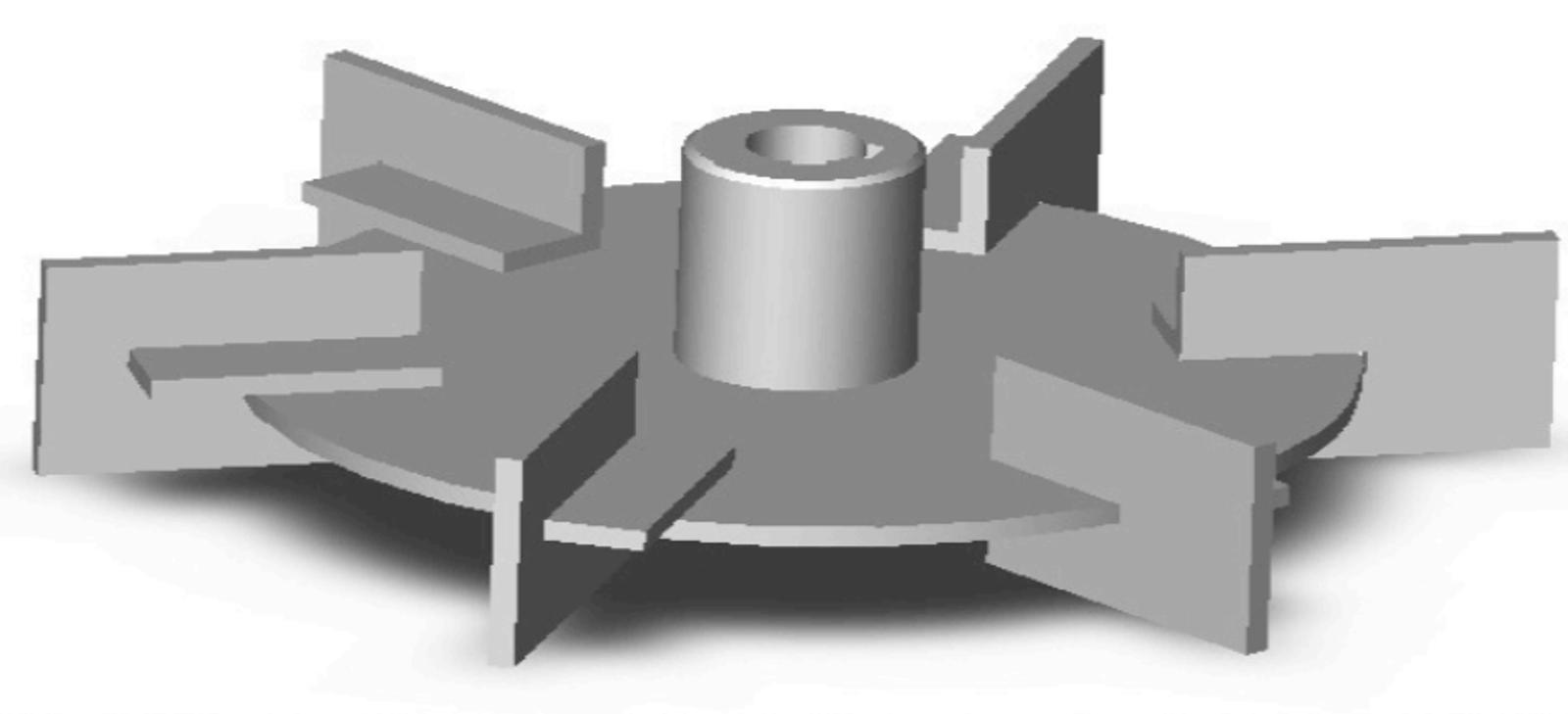
The geometry of the impeller is the single most important factor controlling the balance between flow and shear. Milton Roy's mixing portfolio includes impellers specifically engineered for each end of the spectrum.

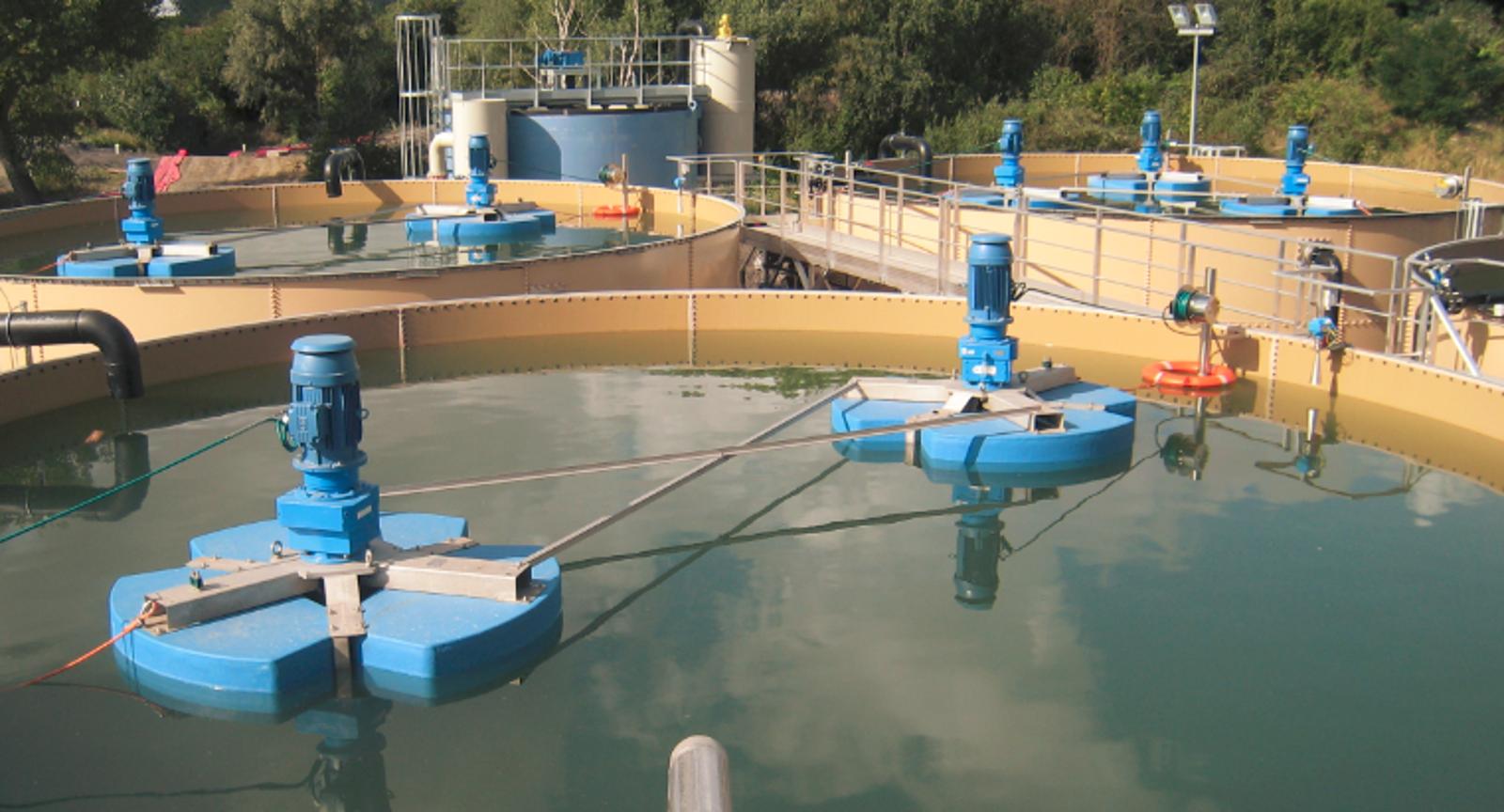
The SABRE propeller is a high-efficiency axial flow impeller designed to deliver maximum pumping capacity with minimum shear. Its hydrodynamic profile generates a powerful downward jet that reaches the full depth of the vessel, maintaining uniform circulation without the localized turbulence that would damage shear-sensitive processes. The SABRE is the standard impeller for Milton Roy's HELIFLOAT floating mixers and Helisem top-entry agitators used in water treatment basins and lagoons.

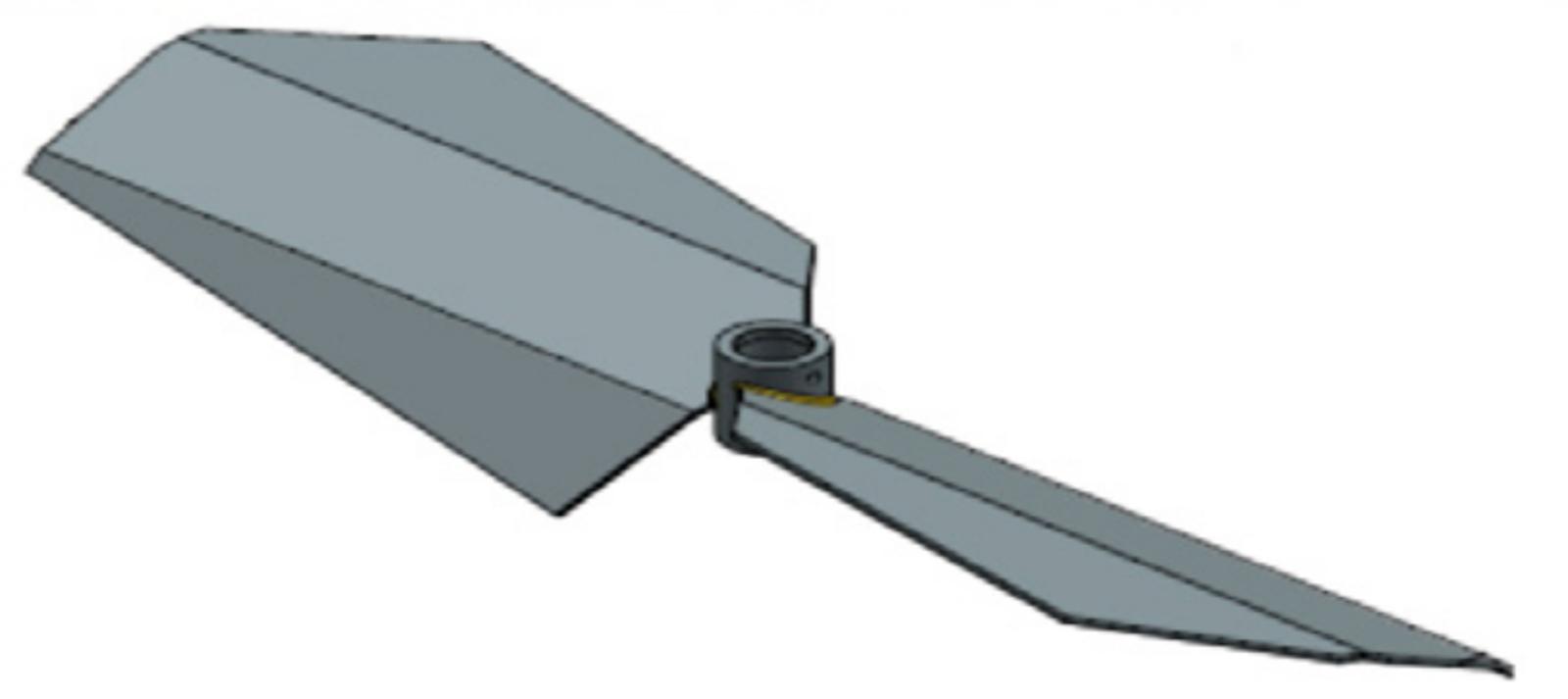
The HP2 two-blade impeller is specifically designed for flocculation applications. With its two-blade configuration and optimized pitch angle, the HP2 generates exceptional flow with the lowest possible shear — preserving floc structure and ensuring optimal flocculation efficiency. The HP2 is the standard impeller on the FRH Helisem flocculator mixer series, with up to 70% energy savings compared to conventional designs.

For high shear applications such as flash mixing, Milton Roy provides Helisem and HM Series top-entry agitators equipped with Variable Frequency Drives (VFDs) that allow operators to adjust mixing intensity (G-value) in real time — ensuring optimal coagulant dispersion under variable flow conditions.


Milton Roy Low Shear Mixing Solutions for Water Treatment

Milton Roy provides a complete portfolio of low shear mixing technologies designed for the demanding requirements of water and wastewater treatment. The Helisem FRH Series flocculators deliver gentle, energy-efficient agitation with the patented HP2 impeller for flocculation in tanks up to 1,950 m³. 

The HELIFLOAT floating mixers provide low shear solid suspension and homogenization in open basins and lagoons without structural installation, using the SABRE propeller to reach depths up to 15 meters. The Helisem and HM Series top-entry agitators cover the full range from gentle flocculation to vigorous flash mixing, with VFD control for precise G-value adjustment.

Combined with Milton Roy's precision metering pumps for coagulant and flocculant dosing and Streaming Current Detectors for real-time coagulation control, these mixing technologies form an integrated system that optimizes every stage of the clarification process — from rapid chemical dispersion to gentle floc formation.