Products
Metering Pumps
Process Pumps
Mixers
Systems & Skids
Electronics and Metering
Valves and Accessories
Industries & Applications
Water Treatment
Energy
Mining & Mineral Processing
Chemical Industry
General industry
Technology
Metering Pump Technology
Metering Pump Principles
Aftermarket & Support
CARE Maintenance Plans
Spare Parts Inventory
Resources
White Paper
Case Studies
Webinars on Demand
Digital Support Files
Certifications
Milton Roy YouTube Channel
Sales Terms & Conditions
About Us
News
Knowledge Hub
Careers
Sign Up for Newsletter

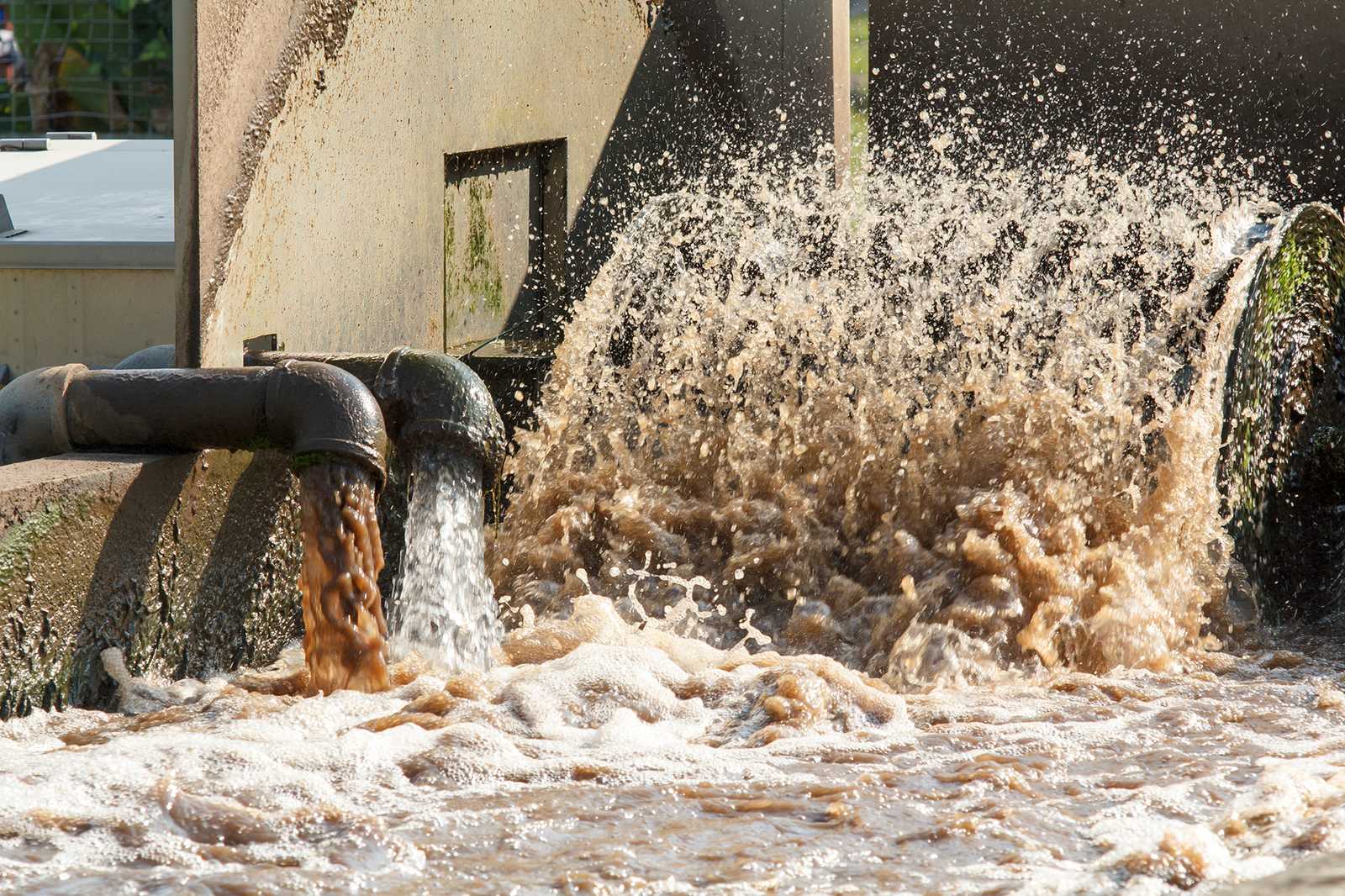
Water and wastewater treatment plants handle some of the most demanding media in any industrial process — abrasive grit, viscous sludge, corrosive lime slurry, and aggressive dosing chemicals. Conventional valves often fail in these conditions: seals degrade, solids accumulate in dead zones, and maintenance costs escalate.

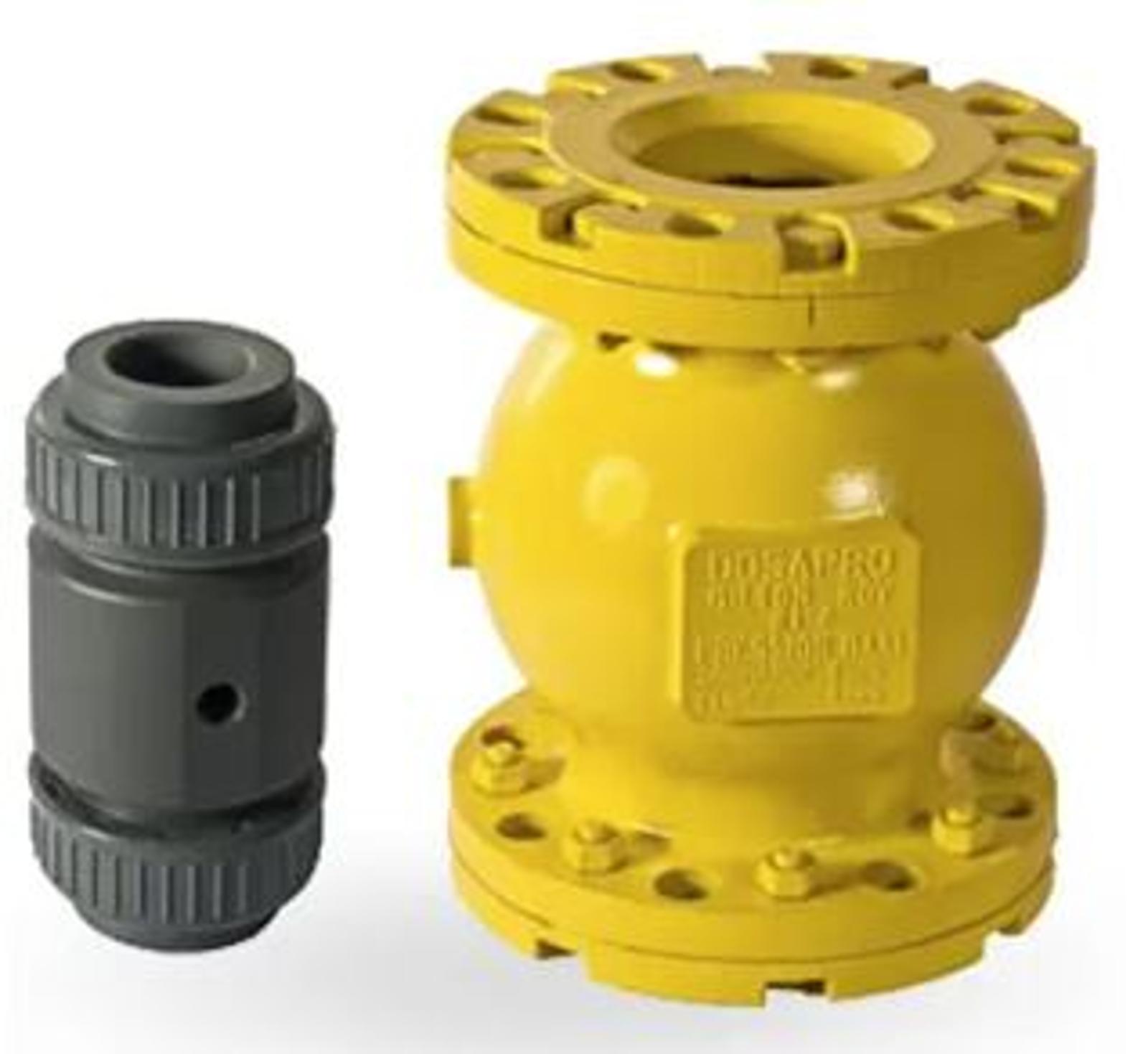
Milton Roy pinch valves are purpose-built for these challenges. With a flexible elastomer sleeve as the only wetted part, they deliver full-bore, obstruction-free flow control with zero dead zones — ensuring reliable performance across the entire treatment cycle.

How Pinch Valves Support Key Water Treatment Processes

Sludge Handling & Dewatering

Sludge is viscous, chemically aggressive, and loaded with solids. When municipal and industrial waste streams combine, the complexity increases. Milton Roy pinch valves resist chemical attack, contain odors, and pass maximum flow without restriction — eliminating the blockages and seal failures that plague conventional valve designs.

Typical applications: Raw sludge transfer, thickener feed/discharge, dewatering press feed, digester circulation.

Lime Dosing & pH Control

Lime slurry is one of the most problematic chemicals to handle — it is abrasive, tends to crystallize, and causes rapid scale buildup. The pinch valve's flexible sleeve changes shape during each operating cycle, actively breaking up lime deposits and preventing accumulation. No dead zones, no hardened scale, no seized valves.

Typical applications: Lime slurry injection, pH neutralization, alkalinity adjustment in potable and wastewater plants.

Grit & Sand Removal

Grit chambers capture sand, gravel, and road debris that would otherwise damage downstream equipment. This media is extremely abrasive — conventional valves lose their sealing integrity within weeks. The elastomer sleeve absorbs impact, rebounds to maintain a tight seal, and eliminates the need for expensive alloy constructions.

Typical applications: Grit classifier discharge, sand washing circuits, screenings handling.

Chemical Injection & Effluent Discharge

From ferric chloride dosing to final effluent discharge, pinch valves provide a clean, unobstructed flow path that prevents contamination and ensures consistent chemical delivery throughout the process.

Why Choose Milton Roy Pinch Valves for Water Treatment?

Advantage

What It Means for Your Plant

Full-bore design

Zero pressure loss, zero obstruction risk

Elastomer sleeve — only wetted part

No metal exposed to corrosion or abrasion

No dead zones

Prevents scale, sludge, and chemical buildup

Leak-proof seal

100% tight closure even with solids present

Fiber-reinforced sleeves

Extended service life in the harshest conditions

Compressed air operated

Simple, energy-efficient actuation

Minimal maintenance

Only the sleeve wears — fast, low-cost replacement


image with a text "why"

FAQ

A pinch valve uses a flexible elastomer sleeve to control fluid flow. When compressed air is applied, the sleeve pinches shut, completely sealing the flow path. It is the only valve type where no mechanical parts contact the media.