Products
Metering Pumps
Process Pumps
Mixers
Systems & Skids
Electronics and Metering
Valves and Accessories
Industries & Applications
Water Treatment
Energy
Pyrolysis Plastics Recycling
Lithium Mining
Essential Oil Extraction
Palm Oil Production
Technology
Metering Pump Technology
Metering Pump Principles
Aftermarket & Support
CARE Maintenance Plans
Spare Parts Inventory
Resources
White Paper
Case Studies
Webinars on Demand
Digital Support Files
Certifications
Milton Roy YouTube Channel
Sales Terms & Conditions
About Us
News
Knowledge Hub
Careers
Sign Up for Newsletter

Methanol is one of the most critical chemicals in oil and gas production. Injected continuously or intermittently at high pressures, it serves as the primary defense against gas hydrate formation — ice-like crystalline structures that can block flowlines, wellheads, and subsea equipment, leading to catastrophic production shutdowns and safety hazards.

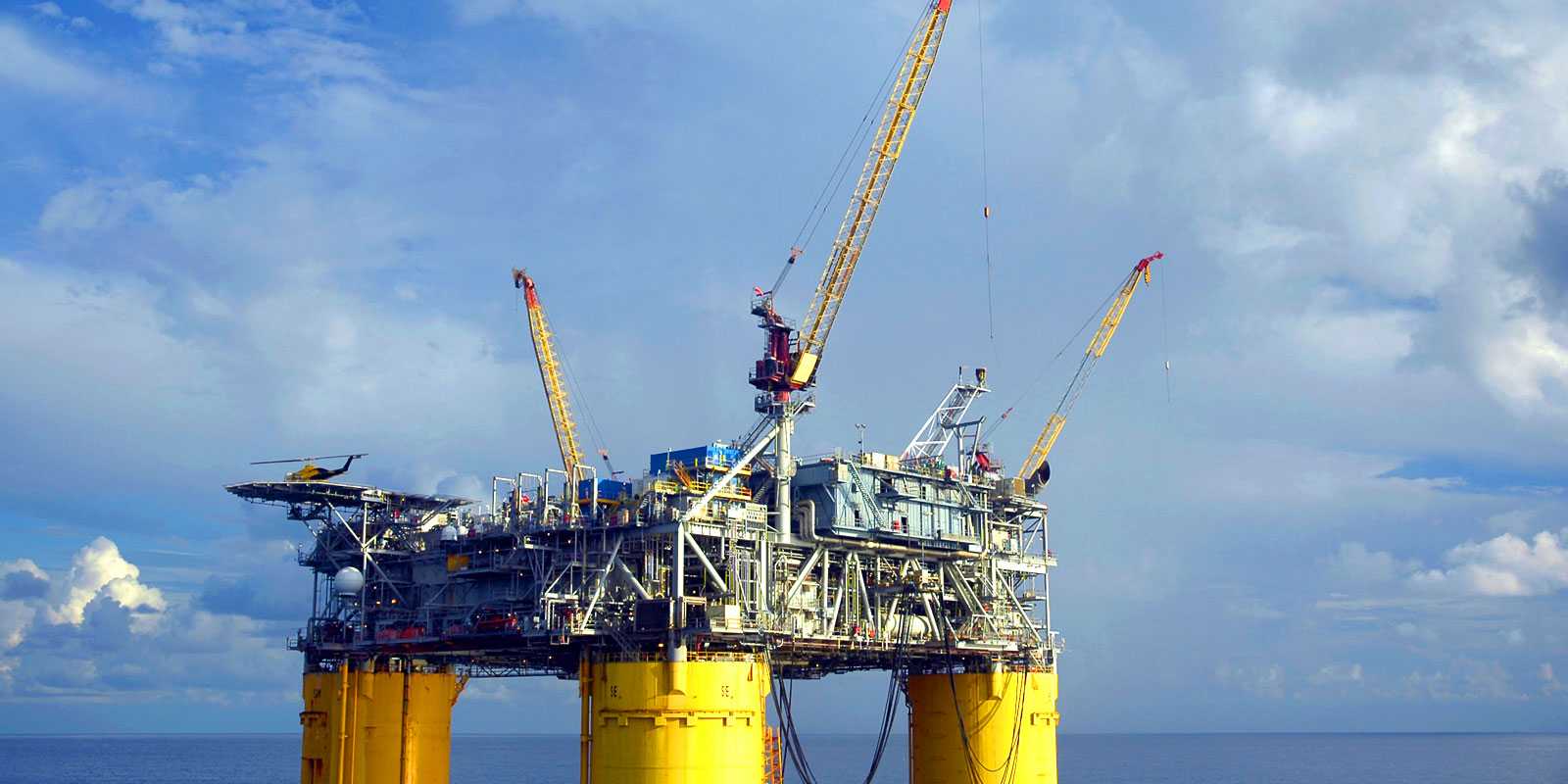
Milton Roy has been the trusted metering pump partner for high-pressure methanol injection across hundreds of offshore platforms, FPSOs, FLNG vessels, and onshore production facilities worldwide. Our API 675-compliant diaphragm pumps deliver safe, precise, and leak-proof methanol delivery in the most demanding subsea and topside environments.

Why Methanol Injection Is Critical in Oil & Gas

Gas hydrates form when water molecules encage gas molecules (primarily methane) under high-pressure, low-temperature conditions — conditions that are typical in deepwater production, subsea flowlines, and gas transportation pipelines. Without effective hydrate inhibition, operators face:

• Flowline blockages that can take weeks to remediate
• Unplanned production shutdowns costing millions per day
• Safety risks from pressure buildup behind hydrate plugs
• Equipment damage to subsea trees, manifolds, and risers

Methanol acts as a thermodynamic hydrate inhibitor (THI) by shifting the hydrate equilibrium curve, effectively lowering the temperature at which hydrates form. It is the preferred inhibitor for many offshore operators due to its effectiveness, availability, and compatibility with production fluids.
Complete Your Methanol Injection System

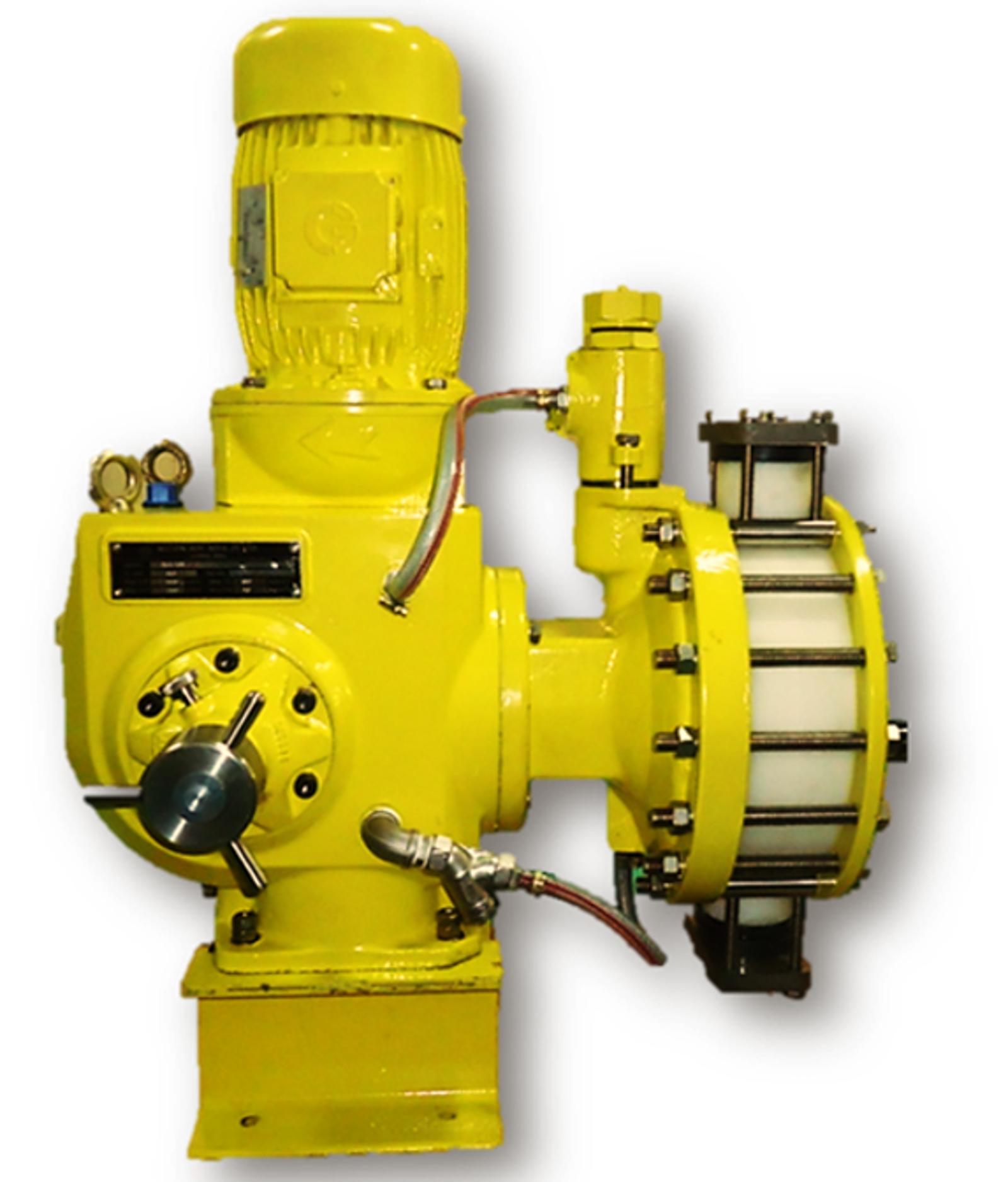
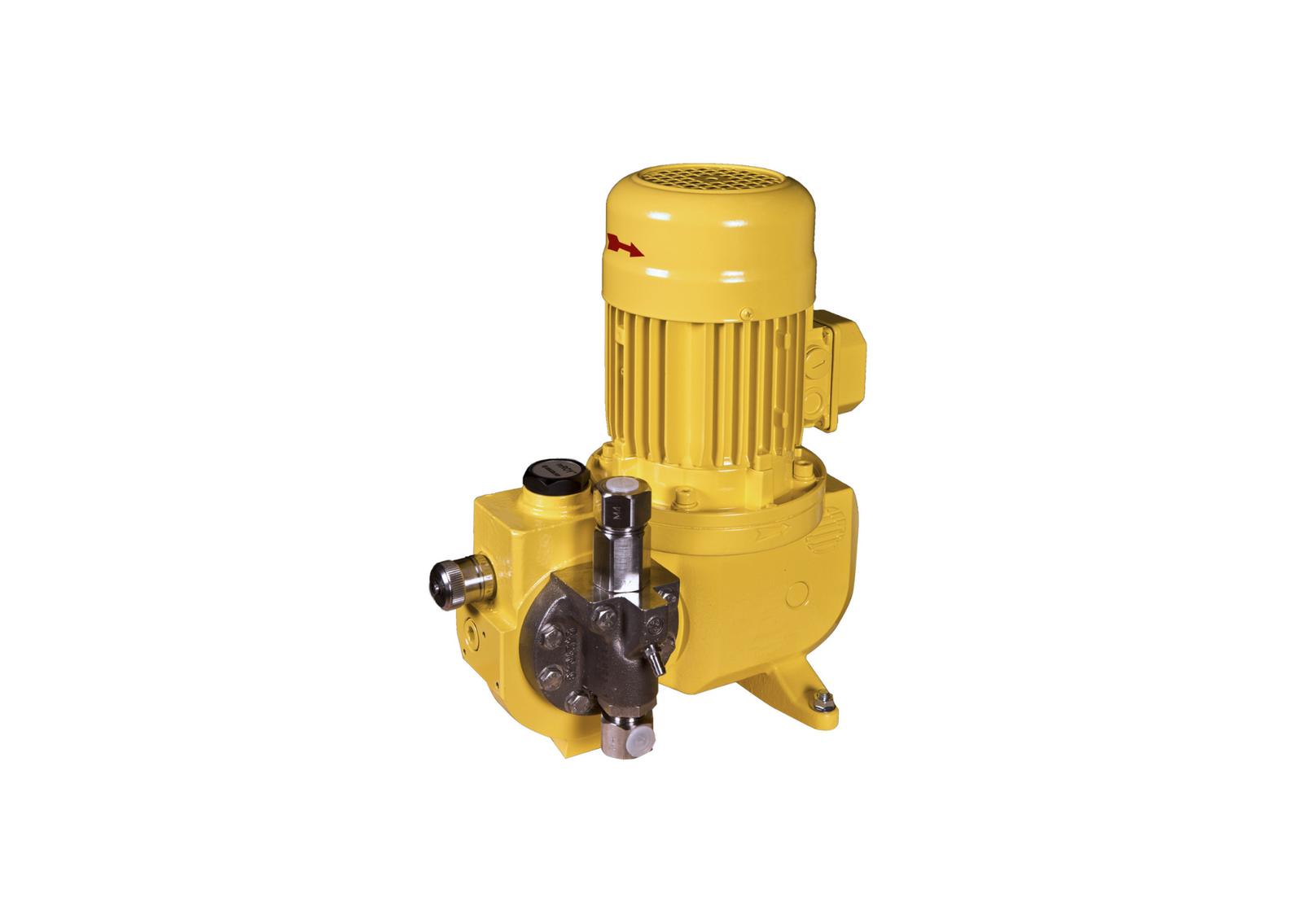
Milton Roy metering pumps ensure precise methanol dosing — and Haskel air-driven liquid pumps deliver the high-pressure energy needed to overcome friction losses in offshore pipelines. Together, they form a complete, reliable methanol injection solution with no electrical power required.

The Challenge of High-Pressure Methanol Delivery

Delivering methanol to the injection point requires overcoming significant engineering challenges:

  • High discharge pressures: Injection pressures of 5,000–15,000 psi (345–1,034 bar) are common in deepwater applications to overcome wellhead pressure and friction losses through long umbilicals.
  • Toxic and volatile fluid: Methanol is classified as a flammable liquid (Flash point 11°C) with acute toxicity — demanding zero-leak pump designs and ATEX/IECEx-rated equipment.
  • Variable dosing rates: Hydrate risk varies with production rate, water cut, and ambient temperature, requiring pumps with wide turndown capability.
  • Remote and unmanned locations: Offshore and subsea installations demand ultra-reliable equipment with minimal maintenance intervals.
  • Space and weight constraints: Platform topsides and FPSO decks have strict footprint and weight allowances.

Milton Roy's Methanol Injection Pump Solutions

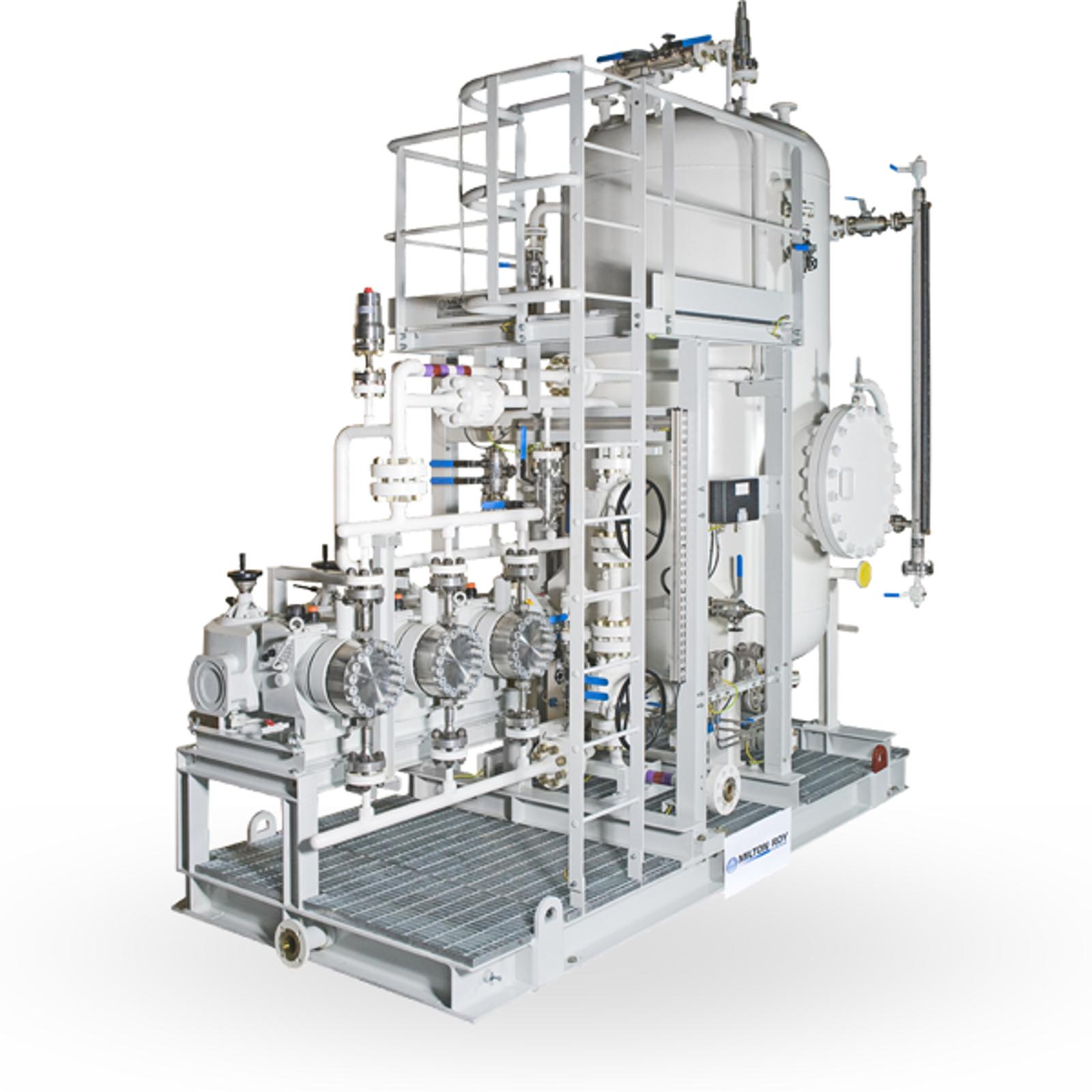
Milton Roy offers a complete range of metering pumps and chemical injection packages specifically configured for high-pressure methanol service:

Typical Methanol Injection Points in Oil & Gas Production

Methanol is injected at multiple locations throughout the production system:
  1. Wellhead / Christmas tree: Continuous injection to prevent hydrate formation in the wellbore and tubing
  2. Subsea flowlines: Injection at subsea manifolds and pipeline entry points
  3. Riser base: Protection during riser ascent where temperature drops and pressure changes occur
  4. Production separator inlet:Prevention of hydrate formation in the separator internals
  5. Gas export pipeline: Continuous or batch injection for long-distance gas transportation
  6. Gas dehydration unit: Methanol recovery and regeneration systems