Products
Metering Pumps
Process Pumps
Mixers
Systems & Skids
Electronics and Metering
Valves and Accessories
Industries & Applications
Water Treatment
Energy
Pyrolysis Plastics Recycling
Lithium Mining
Essential Pil Extraction
Palm Oil Production
Technology
Water Treatment
Energy
General Industry
Metering Pump Technology
Metering Pump Principles
Petrochemical Industry
Aftermarket & Support
CARE Maintenance Plans
Spare Parts Inventory
Resources
White Paper
Case Studies
Webinars on Demand
Digital Support Files
Certifications
Milton Roy YouTube Channel
Sales Terms & Conditions
About Us
News
Knowledge Hub
Careers
Sign Up for Newsletter

Hydraulically actuated diaphragm pumps (HAD) represent the most advanced form of diaphragm metering technology, designed to deliver high-precision dosing under demanding process conditions. By integrating a hydraulic transmission layer between the drive mechanism and the diaphragm, these systems achieve uniform force distribution, improved volumetric stability, and extended mechanical durability.

This architecture positions HAD pumps as the preferred solution in applications where accuracy, high pressure capability, and containment safety are critical performance parameters.

Hydraulic Architecture and Operating Principle

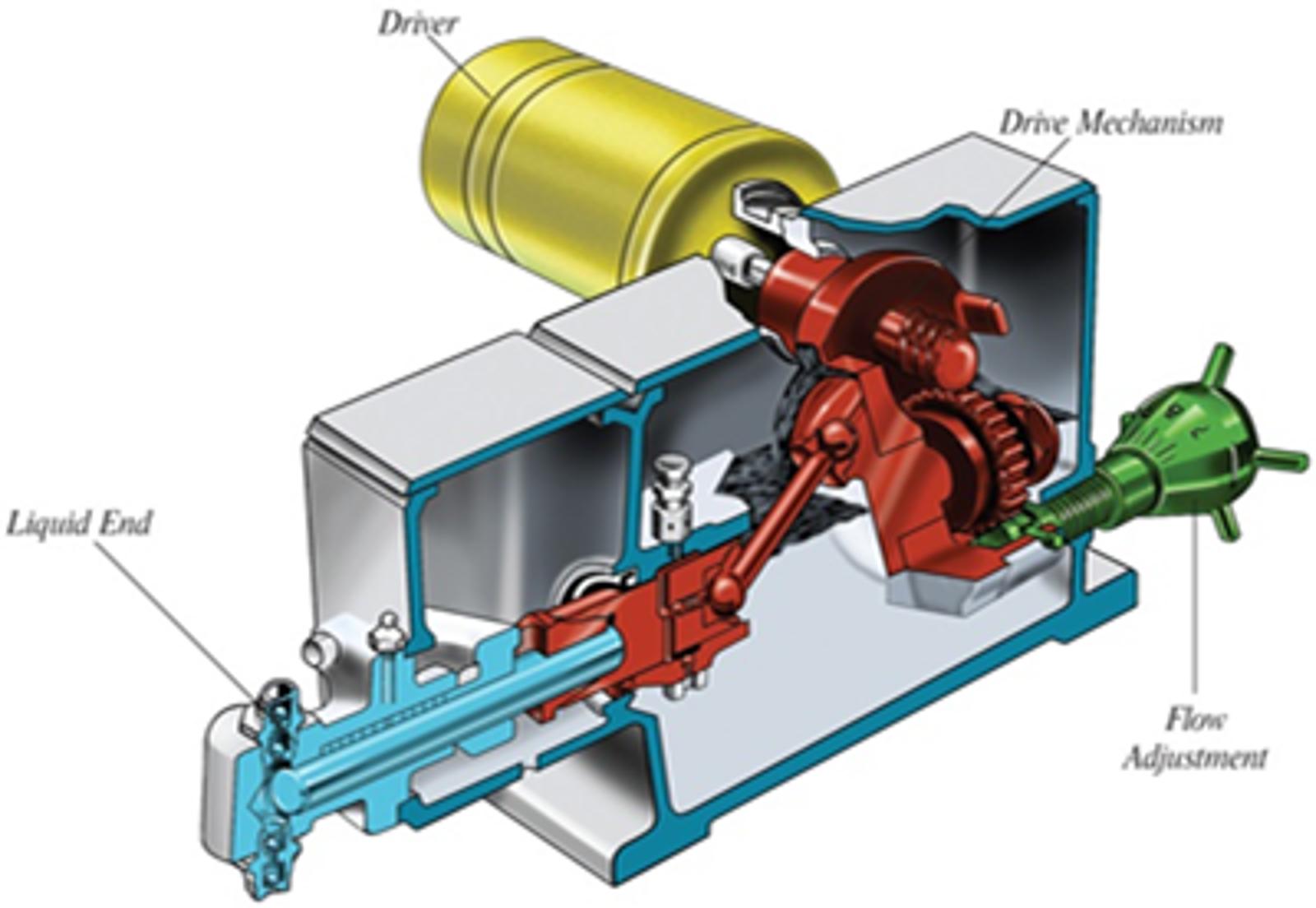
The defining feature of HAD pumps is the presence of a hydraulic fluid interface separating the piston from the diaphragm. Instead of directly imposing motion, the piston pressurizes a confined volume of hydraulic fluid, which in turn transmits force uniformly across the diaphragm surface.

This design fundamentally alters the mechanical behavior of the system. The diaphragm is no longer subject to localized stress concentrations but instead experiences homogeneous deformation, significantly reducing fatigue and improving service life.

In addition, the hydraulic circuit acts as a dynamic compensation layer, absorbing variations in process pressure and maintaining consistent diaphragm motion. This enables the pump to operate with a higher degree of stability compared to purely mechanical systems.
Metering Performance and Process Stability

HAD pumps are specifically engineered for applications requiring high dosing accuracy and repeatability, typically within a ±0.5–1% range.

Unlike mechanically actuated systems, volumetric performance remains largely independent of discharge pressure variations. The hydraulic compensation ensures that stroke efficiency is preserved across a wide operating range, making HAD pumps particularly suitable for dynamic or high-pressure processes.

The controlled transmission of force also contributes to reduced flow pulsation, improving downstream process stability and minimizing the need for additional dampening equipment. 

Pressure Capability and Mechanical Advantages

The hydraulic transmission mechanism enables HAD pumps to operate reliably under high and very high pressure conditions, exceeding the limits of mechanically actuated designs.

Because the diaphragm is hydraulically supported, mechanical stresses are distributed evenly and peak loads are reduced. This allows the system to combine:

  • High discharge pressure capability
  • Stable metering performance
  • Extended component lifespan

Such characteristics are essential in industries where pumps must operate continuously under severe mechanical and process constraints.

Our HAD Product Range

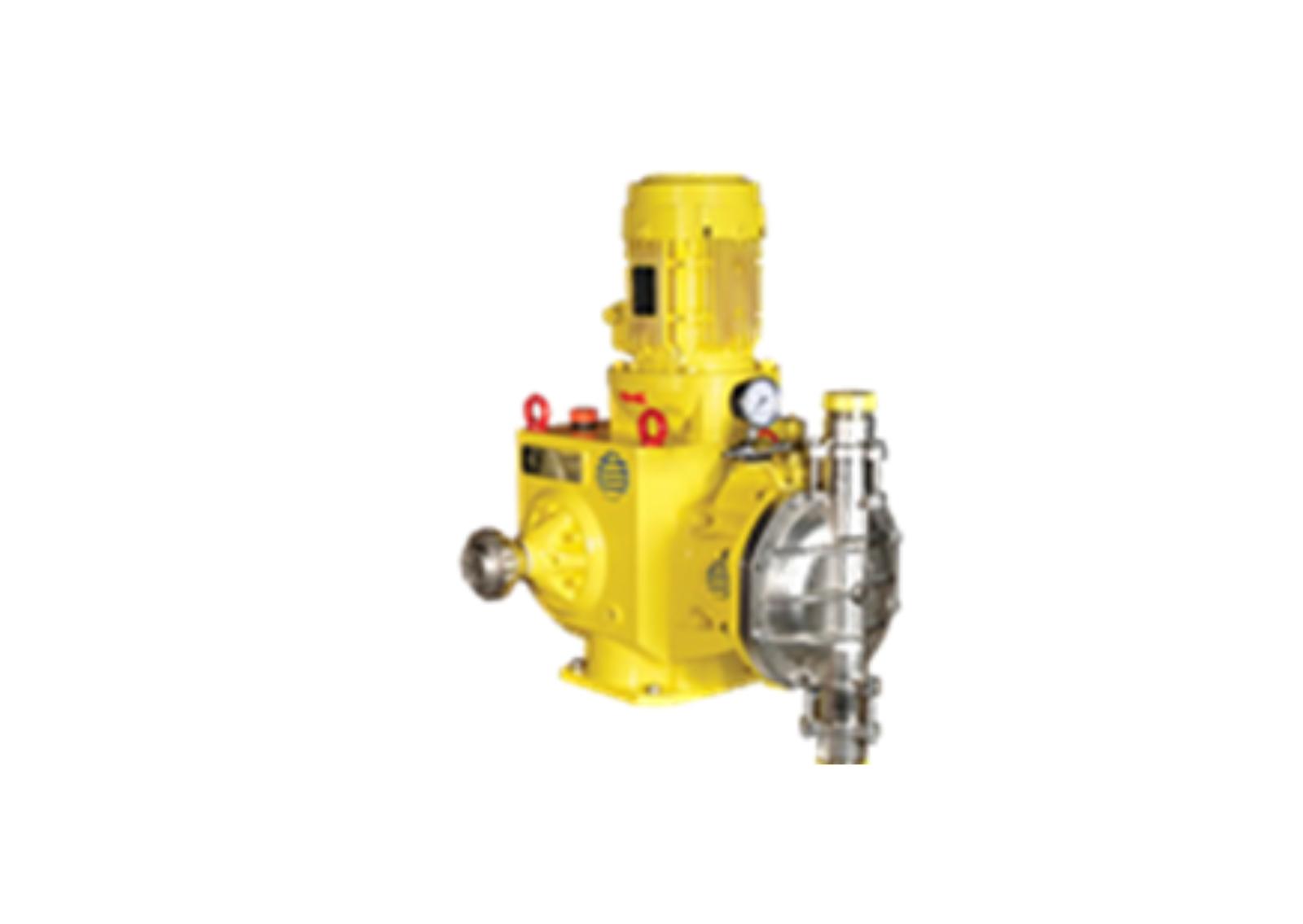
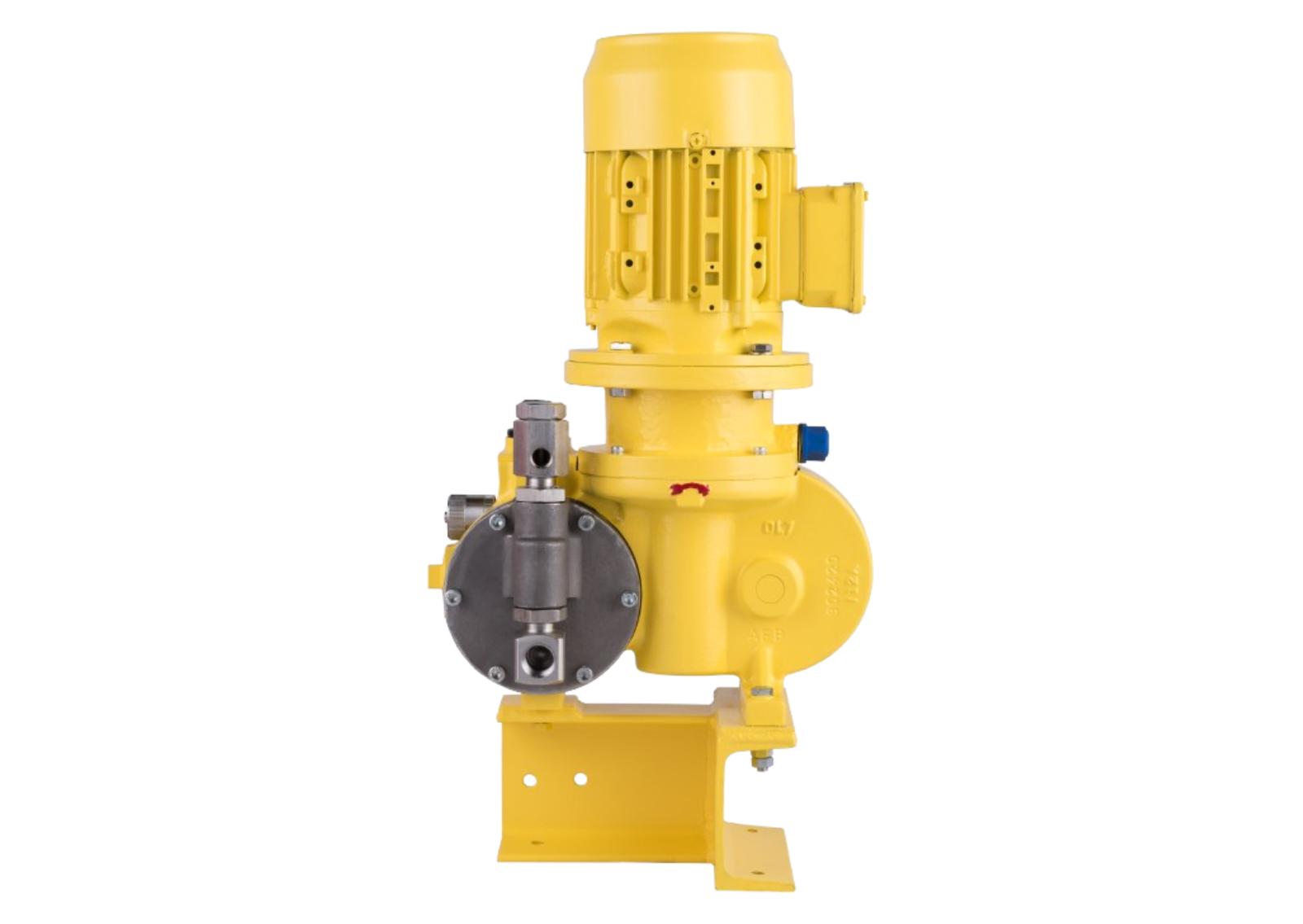
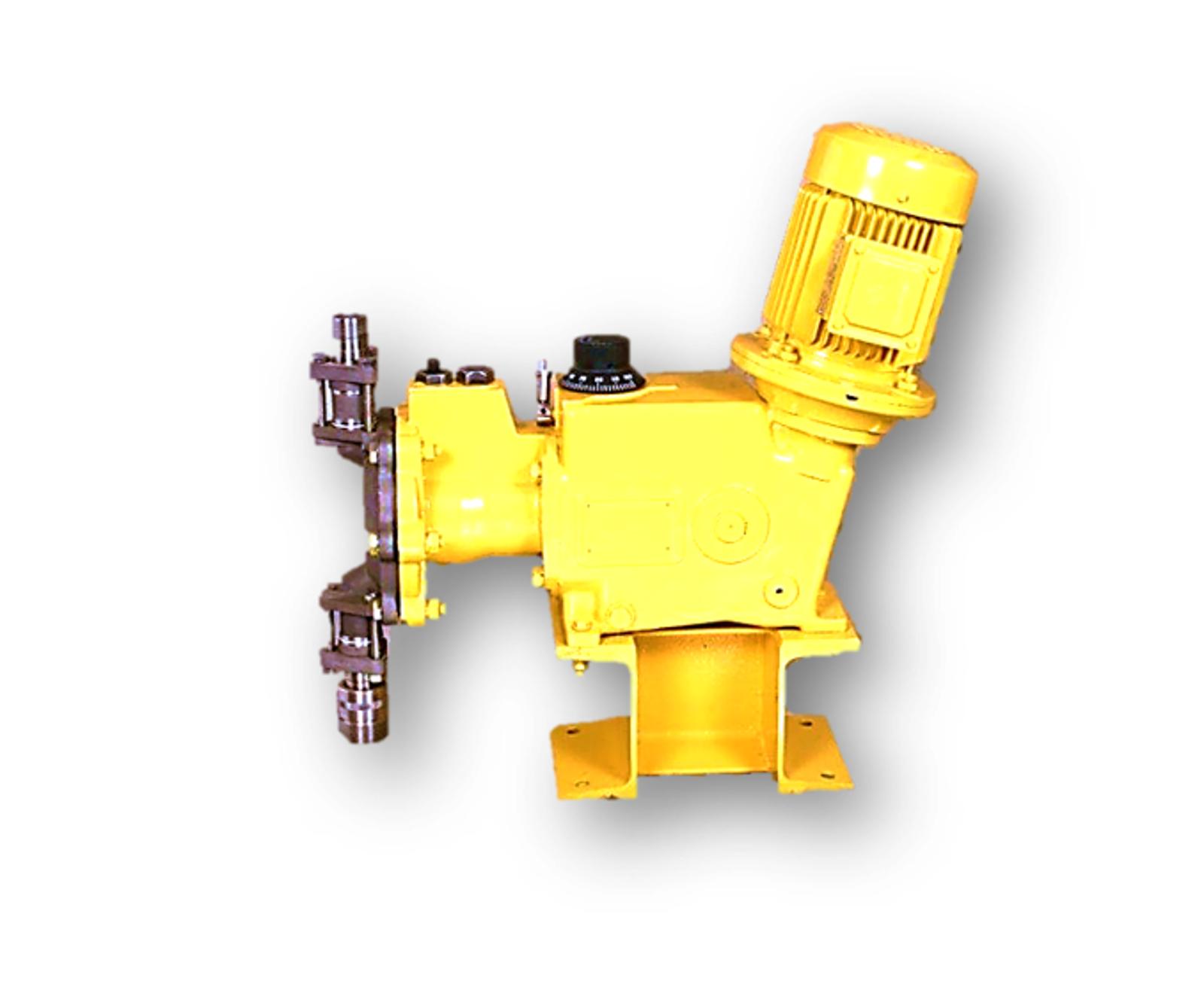
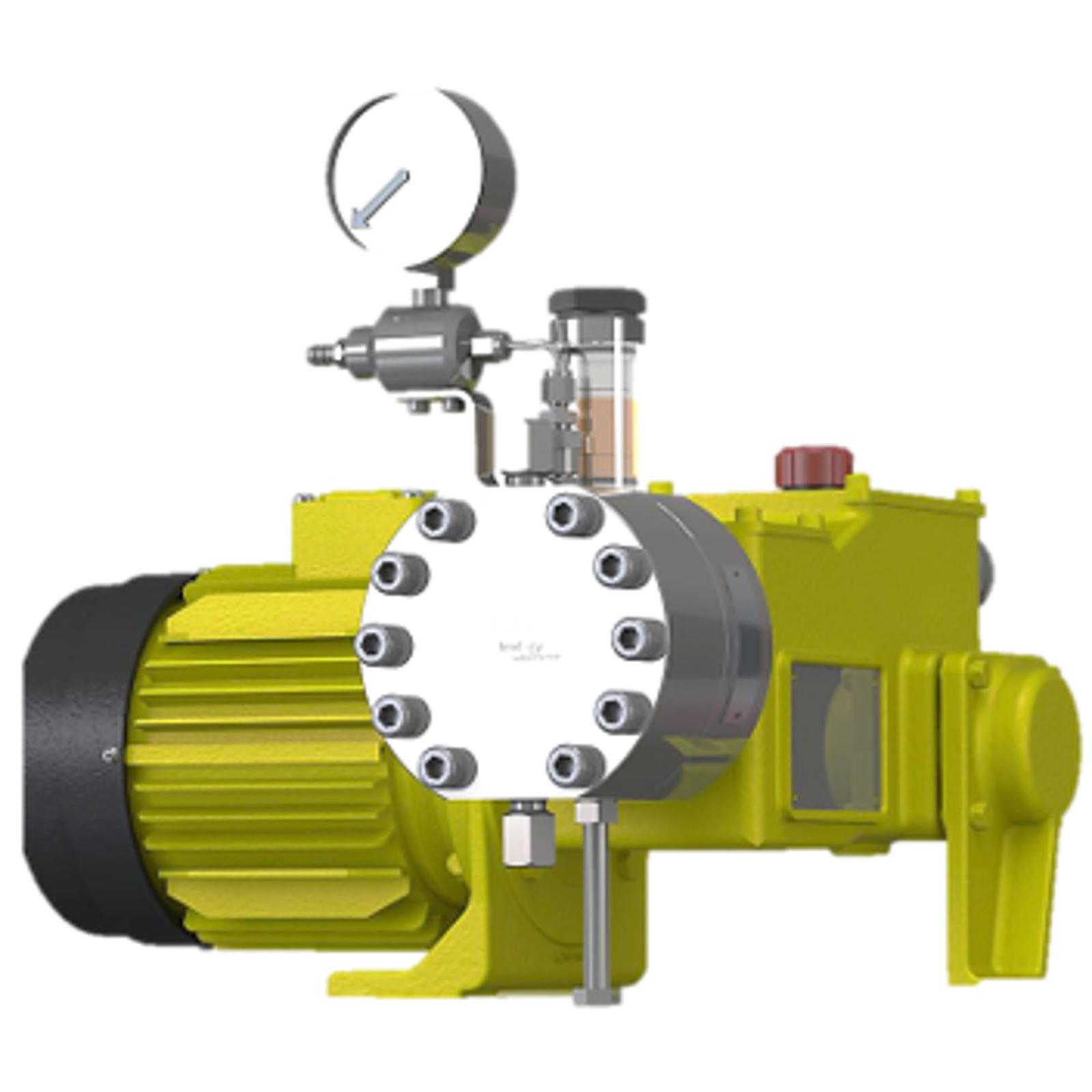
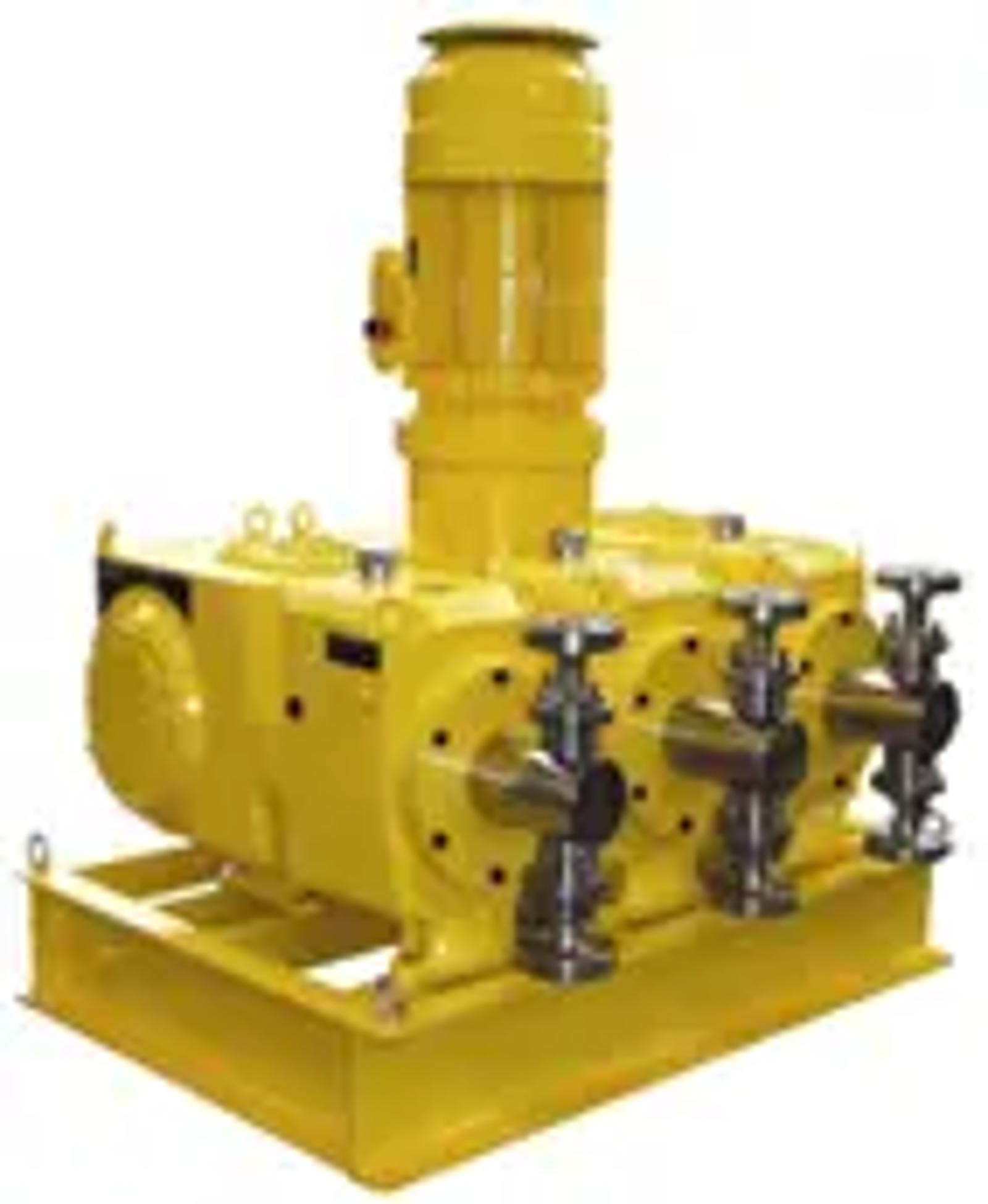
Milton Roy’s hydraulically actuated portfolio is structured to address varying levels of process severity and performance requirements, primarily through the Milroyal, Primeroyal, Primeroy, mRoy, and Maxroy series.

Diaphragm Integrity and Containment Safety

Process safety is a central design driver in HAD technology. The uniform loading of the diaphragm not only improves durability but also enables the integration of advanced containment features.

Modern HAD pumps typically incorporate:

  • Multi-layer diaphragm assemblies
  • Intermediate leak detection systems
  • Secondary containment barriers

These features ensure that, in the event of diaphragm failure, the process fluid remains contained and detectable, significantly reducing environmental and operational risks.

This makes HAD pumps particularly well suited for handling hazardous, toxic, or high-value fluids, where leakage cannot be tolerated.

Reliability and Lifecycle Performance

Although hydraulically actuated systems are inherently more complex than their mechanical counterparts, they offer superior reliability in demanding operating environments.

The reduction in diaphragm stress, combined with hydraulic load balancing, results in:

  • Extended service intervals
  • Lower failure rates under high-duty cycles
  • Improved overall equipment longevity

From a lifecycle perspective, HAD pumps often achieve a lower total cost of ownership in critical applications, despite higher initial investment.

Positioning and Technical Relevance

Hydraulically actuated diaphragm pumps occupy the upper tier of metering technologies. Their design is not driven by simplicity, but by the need to address complex, high-risk, and performance-critical processes.

They are particularly relevant where:

  • Process conditions are variable or extreme
  • High pressure operation is required
  • Dosing accuracy directly impacts system performance
  • Fluid containment and operational safety are critical

In such environments, HAD pumps provide a level of control, durability, and process assurance that cannot be achieved with purely mechanical system