
Pulp mill wastewater typically has COD of 1,500–5,000 mg/L in combined effluent, with peaks of 10,000–20,000 mg/L from black liquor condensate spills or upset conditions. BOD/COD ratios of 0.3–0.5 indicate a significant refractory organic fraction that resists biological treatment — requiring either extended aeration (HRT 24–48 hours) or advanced oxidation for color and AOX removal.

The pulp and paper industry consumes 10–50 m³ of water per tonne of product — making it one of the most water-intensive manufacturing sectors in the world. A kraft pulp mill producing 1,000 tonnes/day of bleached pulp can consume 30,000–50,000 m³/day of freshwater and discharge wastewater with COD loads of 40–80 tonnes/day. Water is used throughout the entire production chain: pulp washing, stock dilution, sheet formation, pressing, drying, bleaching, and chemical recovery.
Each production stage generates wastewater with distinct characteristics. Black liquor condensates carry COD of 5,000–20,000 mg/L and elevated BOD from wood-derived organics. Bleach plant effluent contains AOX (adsorbable organic halides) at 0.5–3.0 kg/tonne of pulp from chlorine-based bleaching, plus chlorinated phenolics and dioxin precursors. White water from the paper machine carries fine fibers, fillers (kaolin, CaCO₃, TiO₂), sizing agents, and wet-strength resins. Bark press filtrate adds tannins, resin acids, and high color.
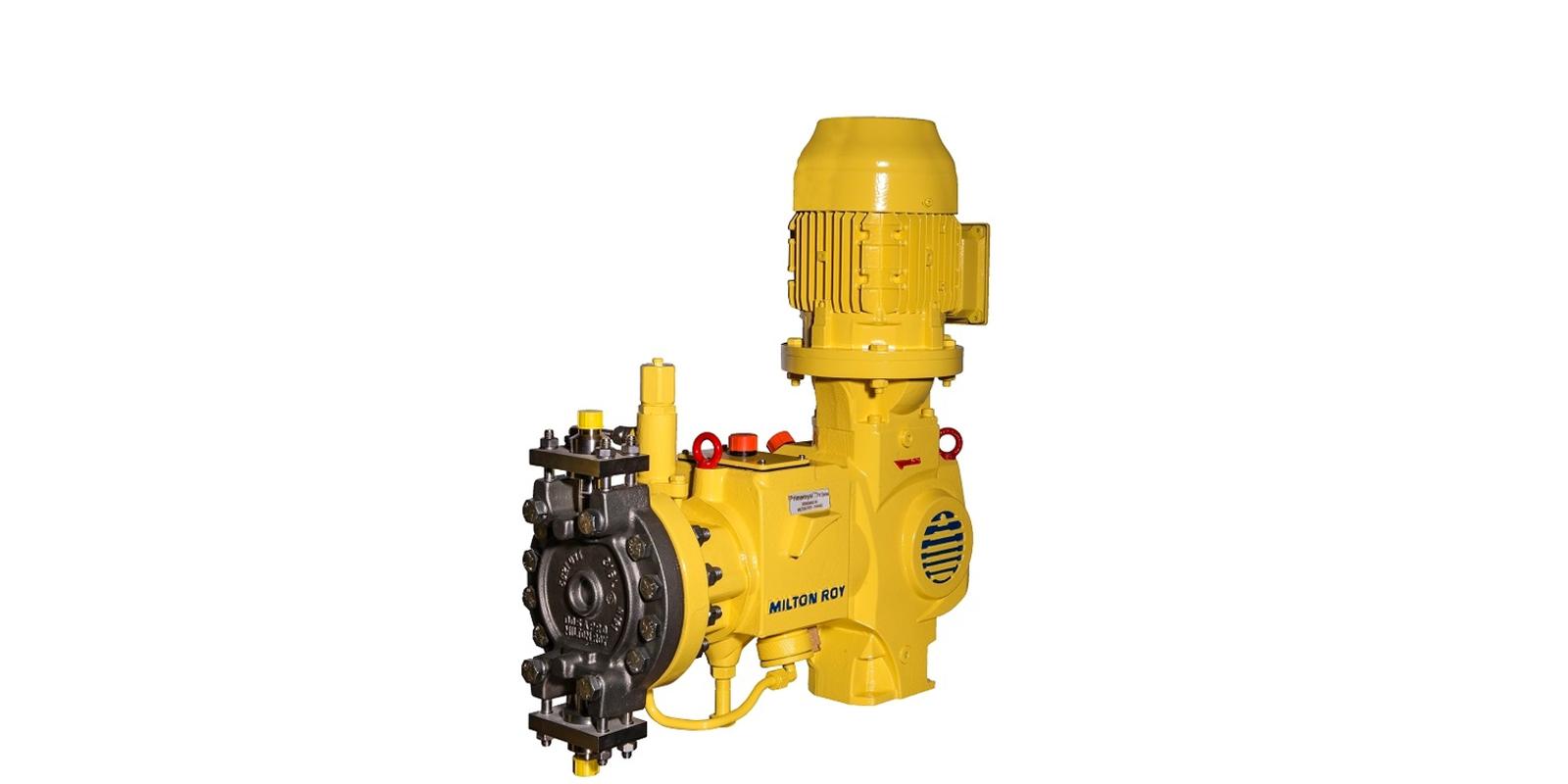
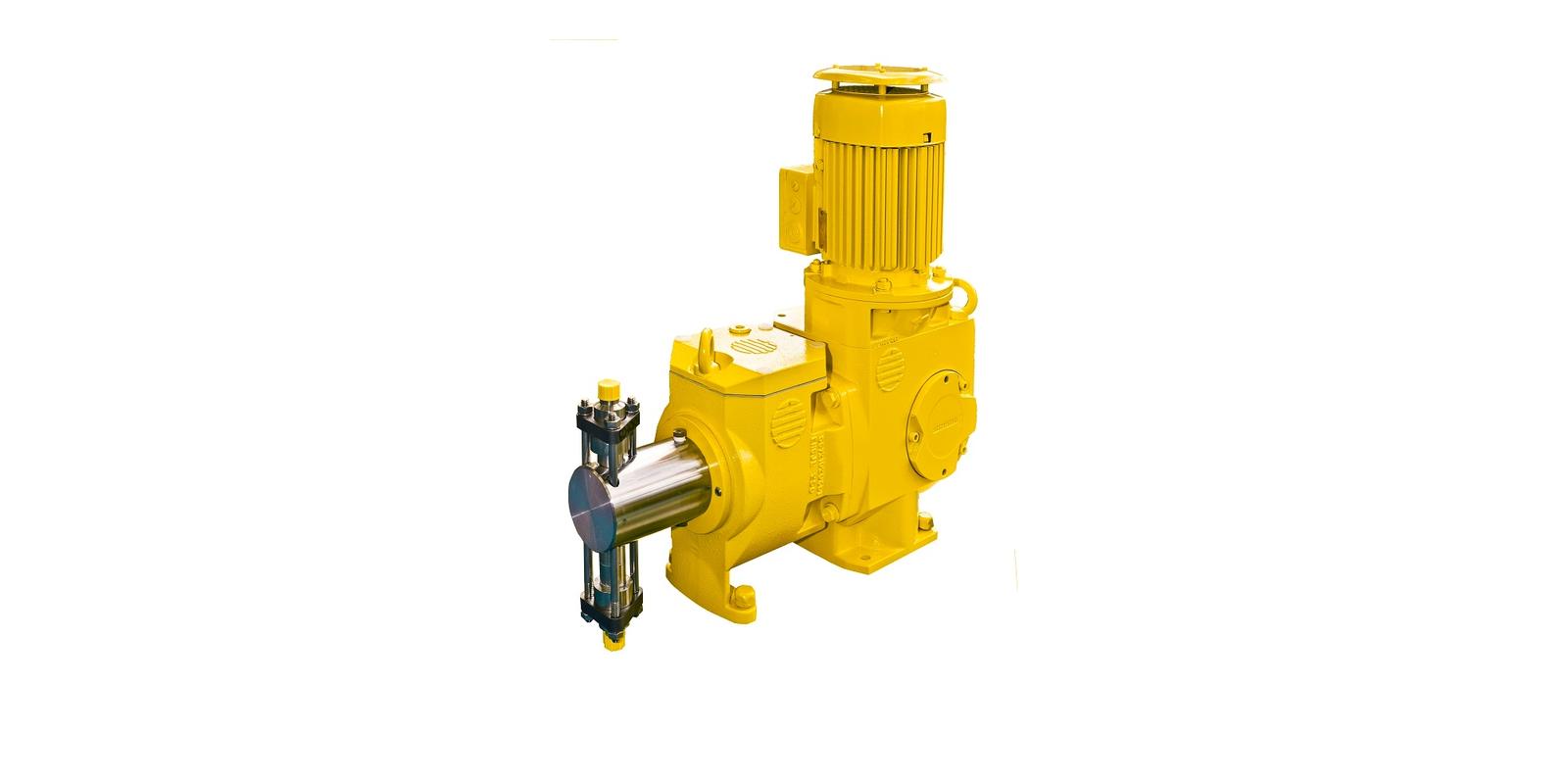
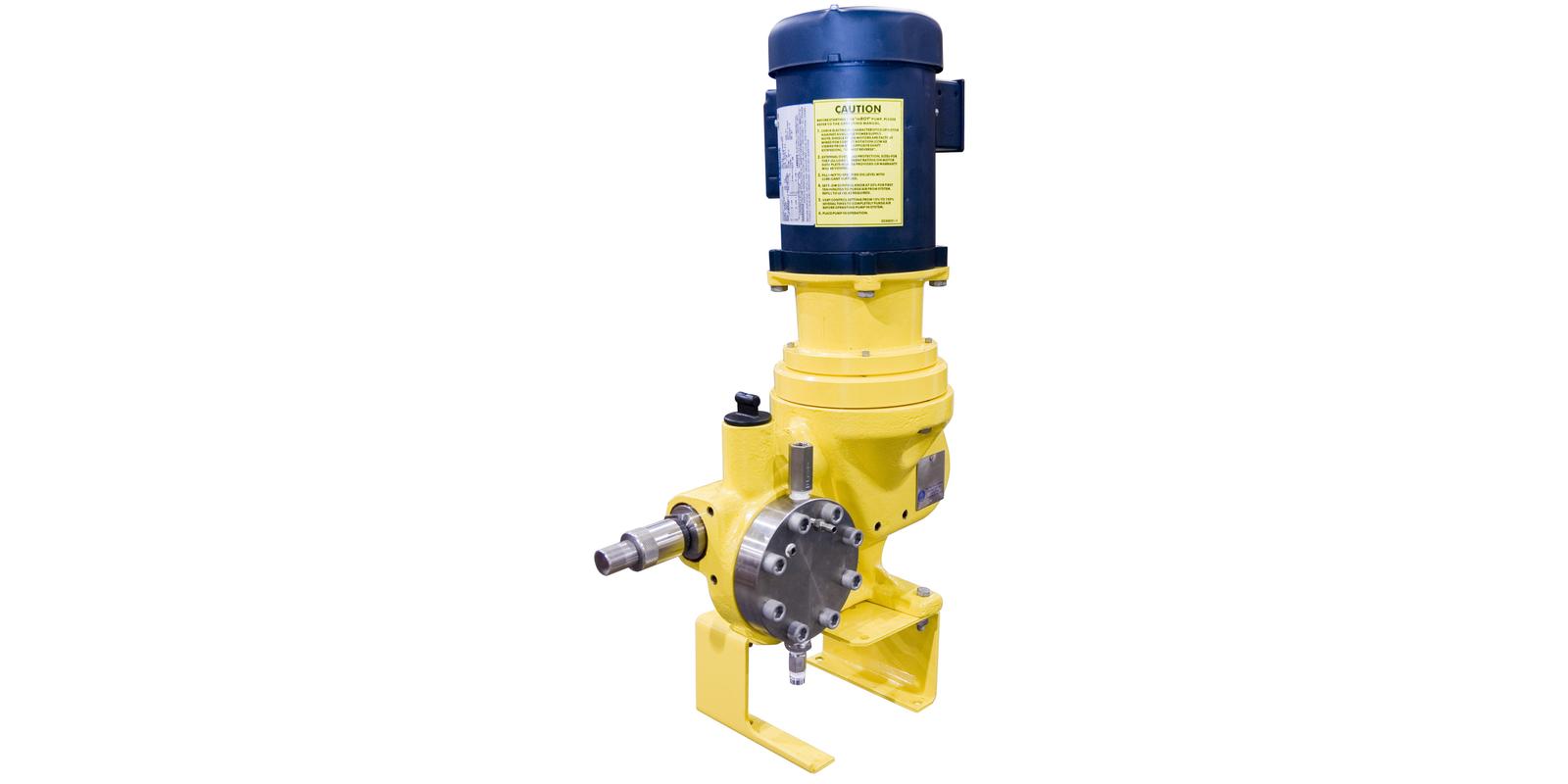
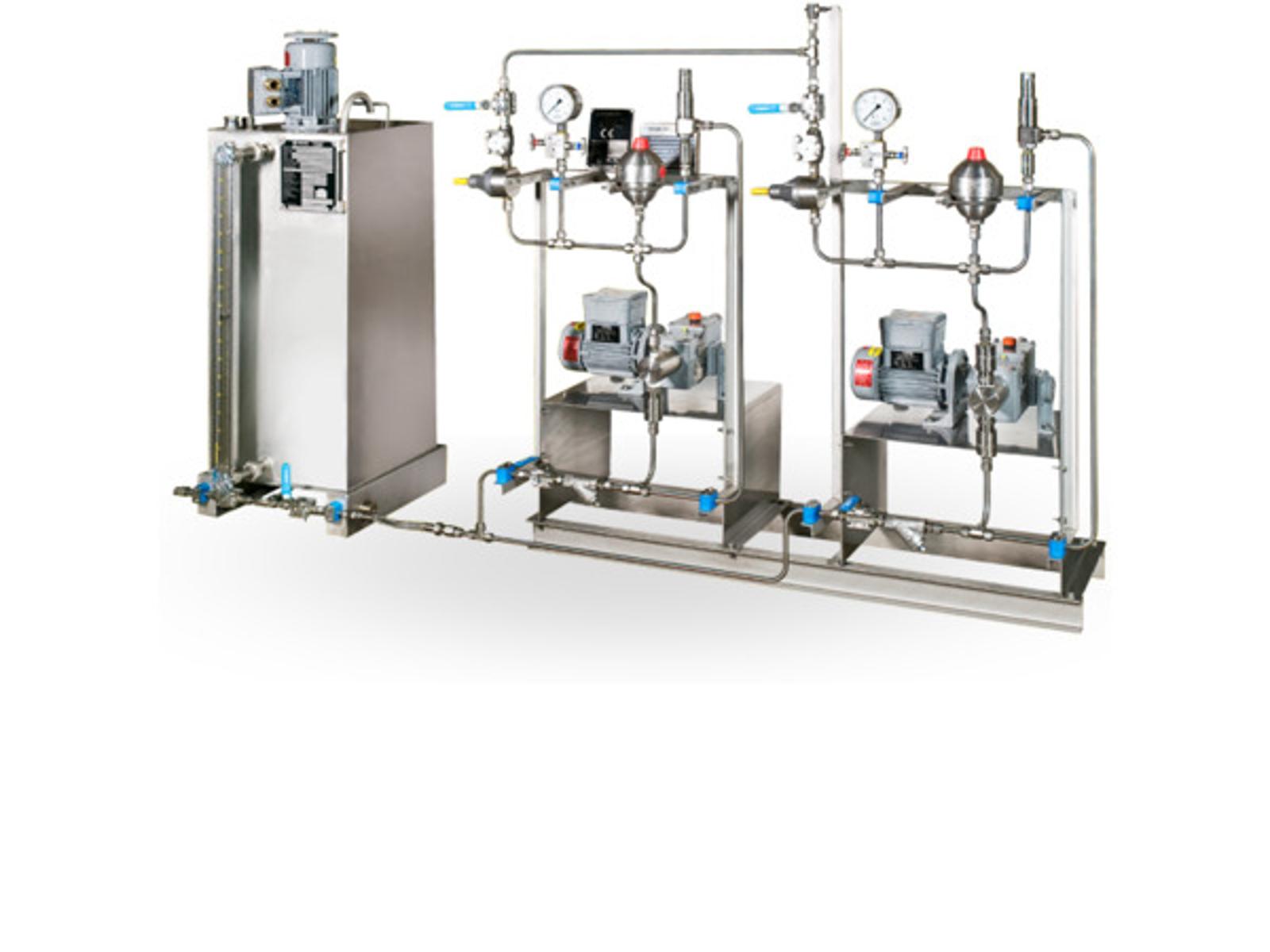
Chemical dosing is critical at every stage — and the chemicals involved are among the most demanding to handle in any industrial application. Chlorine dioxide (ClO₂) for ECF bleaching is explosive above 10% concentration in air and requires generation on-site. Hydrogen peroxide (H₂O₂) for TCF bleaching decomposes on contact with metals and requires passivated pump wetted parts. Tall oil soap and turpentine from chemical recovery are corrosive and fouling. Lime slurry for causticizing is abrasive and scale-forming. Milton Roy has decades of experience in the pulp and paper sector, with metering pumps specifically engineered for these challenges.
Key Water Treatment Challenges
Milton Roy Solutions by Application
Chlorine dioxide is the primary bleaching agent in ECF pulp mills. It is generated on-site by reacting sodium chlorate (NaClO₃) with a reducing agent (methanol CH₃OH or H₂SO₄/HCl) in a generator. The resulting ClO₂ solution (typically 8–10 g/L) must be injected precisely into the bleaching sequence — typically in D₀ (first ClO₂ stage), D₁, and D₂ stages — at dosing rates of 15–40 kg ClO₂/tonne of pulp depending on target brightness and kappa number.
.jpg?format=pjpeg&width=1600&quality=75&auto=webp)
Why Milton Roy for Pulp & Paper
- Hastelloy C-276 and PTFE liquid ends proven in ClO₂, H₂O₂, and hot caustic service
- API 675 compliance with ±1% accuracy — critical for bleaching chemical optimization and AOX reduction
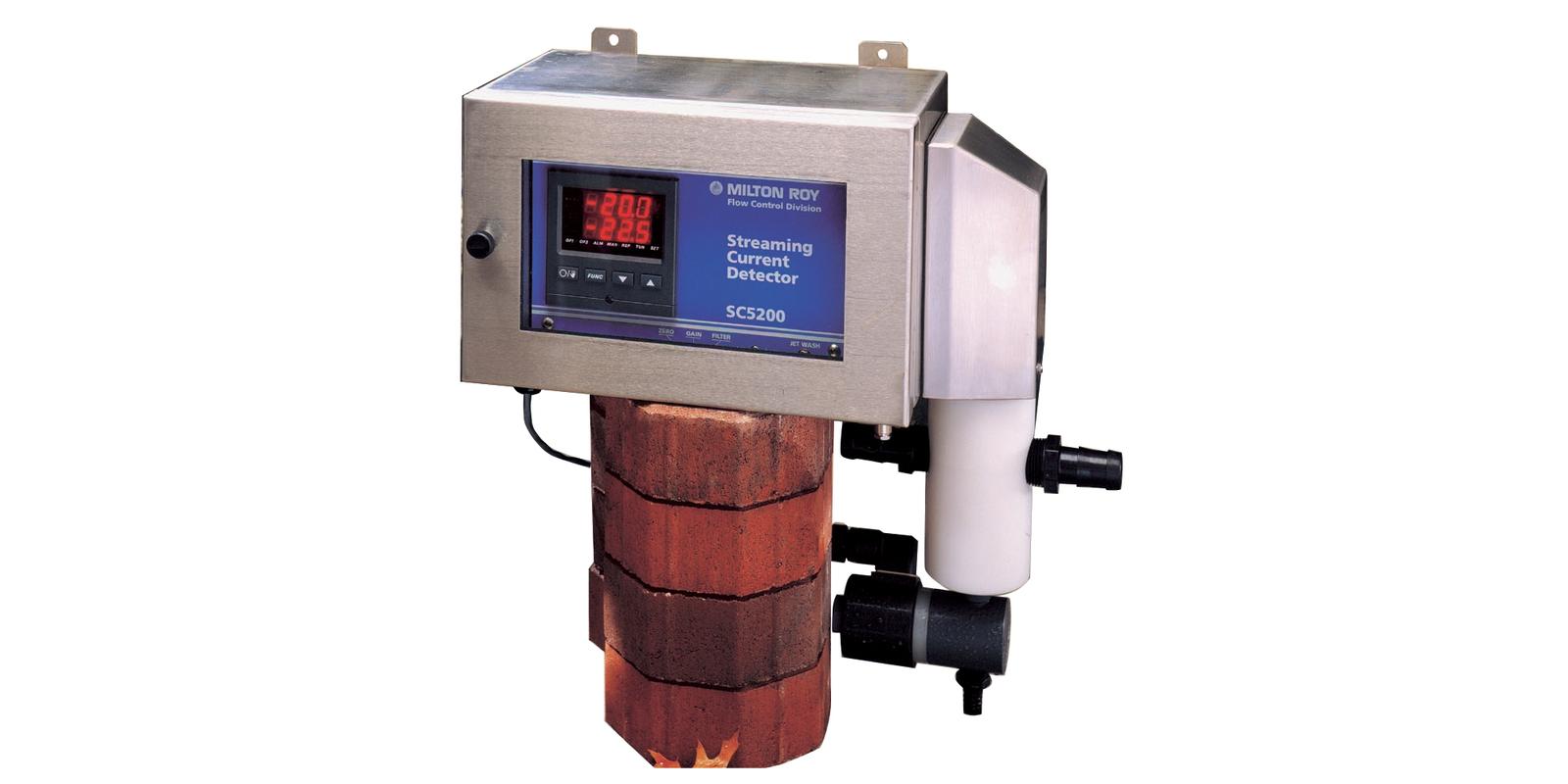
- SCD technology for real-time white water and coagulant optimization — proven ROI in fiber recovery
- High-pressure Primeroyal pumps rated to 100+ bar for recovery boiler feedwater injection
- PIC pinch valves for lime slurry handling in causticizing and WWT
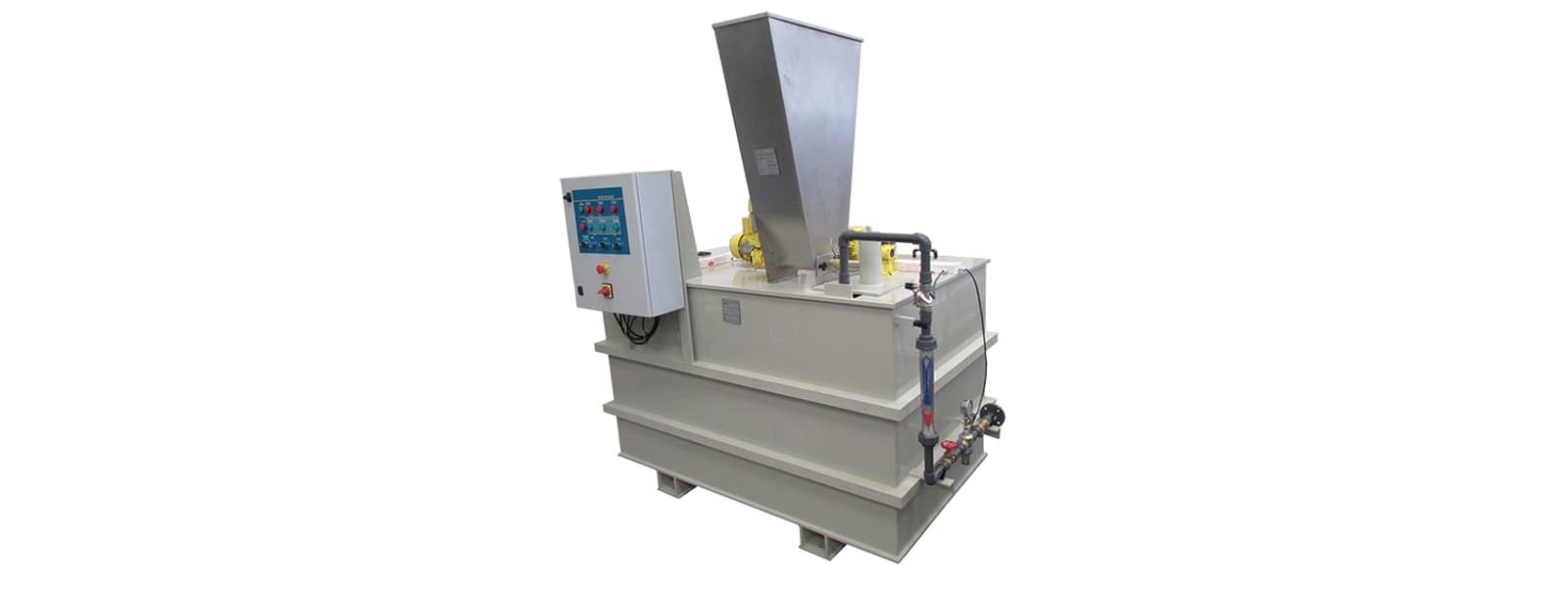
- Polypack automated polymer preparation for consistent sludge conditioning
- Global service network with pulp & paper application specialists
Beyond Water Treatment: Explore Pulp & Paper Solutions
Water treatment is only one part of the pulp & paper value chain. Discover how our sister brands extend Milton Roy's water treatment expertise into adjacent applications — so you can standardize on a single, trusted portfolio across your entire operation.
.png?format=pjpeg&width=1600&quality=75&auto=webp)
Precision for the Graphic & Printing Industry
Water-powered, non-electric proportional dosing pumps for fountain solutions, dampening systems and pressroom chemistry — consistent ratios, no calibration drift.

Compressed Air & Process Solutions
From oil-free compressed air for sensitive paper machines to vacuum and blower technologies supporting forming, pressing and drying sections.

PCPs for Pulp & Paper Process Fluids
Reliable handling of high-viscosity, shear-sensitive and fiber-laden media — sludge, coatings, additives and reject streams across the mill.