

Products
Metering Pumps
Process Pumps
Mixers
Systems & Skids
Electronics and Metering
Valves and Accessories
Industries & Applications
Water Treatment
Energy
Mining & Mineral Processing
Chemical Industry
General industry
Technology
Metering Pump Technology
Metering Pump Principles
Aftermarket & Support
CARE Maintenance Plans
Spare Parts Inventory
Resources
White Paper
Case Studies
Webinars on Demand
Digital Support Files
Certifications
Milton Roy YouTube Channel
Sales Terms & Conditions
About Us
News
Knowledge Hub
Careers
Sign Up for Newsletter

Disinfection is the final defense between raw water and the public glass. It is also the most heavily regulated step in the entire treatment chain — and the one where dosing precision most directly determines public health outcomes. Underdose, and pathogens survive into the distribution network. Overdose, and disinfection byproducts (DBPs) exceed regulatory limits while operating costs climb. Modern drinking water disinfection is therefore not a single chemical injection, but an engineered multi-barrier strategy — combining primary disinfection at the plant, residual maintenance through the distribution network, and DBP management at every step.

Milton Roy provides the engineered chemical dosing systems, precision metering pumps, and process control technologies that make multi-barrier disinfection reliable, repeatable, and compliant — from medium-sized municipalities to the world's largest urban water utilities.

The Multi-Barrier Disinfection Strategy

No single disinfection technology is optimal for every pathogen and every plant condition. Chlorine is highly effective against bacteria but weak against Cryptosporidium. UV inactivates Cryptosporidium and Giardia but leaves no residual. Chloramines provide long-lasting residual in the distribution network but slower primary disinfection. Best-in-class utilities combine technologies to cover every pathogen class while controlling DBPs.

A modern multi-barrier program typically includes:

  • Primary disinfection — UV, ozone, or free chlorine at the plant to achieve required log-inactivation of bacteria, viruses, and protozoa.
  • Secondary disinfection — Chloramines or low-level free chlorine to maintain a measurable residual throughout the distribution system.
  • DBP control — pH adjustment, ammonia dosing for chloramine formation, and source-water management to keep trihalomethanes (THMs) and haloacetic acids (HAAs) below regulatory limits.
The 5 Disinfectants Milton Roy Doses

Disinfectant

Best use

Strengths

Considerations

Sodium hypochlorite (NaOCl, 10–15%)

Most municipal plants

Safer than gas chlorine, easy to dose

Decomposes over time, off-gasses, needs PVDF/PTFE

Gas chlorine (Cl₂)

Very large utilities

Lowest cost per kg of active chlorine

Significant safety and regulatory requirements

Chlorine dioxide (ClO₂)

High-organics source water

No THMs, effective on geosmin/MIB, biofilm penetration

Must be generated on-site from chlorite + acid/chlorine

Chloramines (NH₂Cl)

Secondary disinfection in large networks

Long residual, lower THM formation

Slower primary, nitrification risk, precise NH₃:Cl ratio

Ozone (O₃) + chlorine residual

High-quality utilities

Strongest oxidant, no chlorinated DBPs from O₃

No residual, capital intensive


Our resources

Why Dosing Precision Determines Compliance

  • CT compliance (Concentration × Time)
    Surface Water Treatment Rule requires a minimum CT to achieve log-inactivation of Giardia, viruses, and Cryptosporidium. Variable or inaccurate dosing puts CT compliance at risk every minute.
  • DBP regulatory limits
    EPA Stage 2 D/DBP Rule caps total THMs at 80 µg/L and HAA5 at 60 µg/L as locational running annual averages. Overdosing chlorine generates excess DBPs and triggers violations.
  • Distribution residual
    Most utilities target 0.2–1.0 mg/L free chlorine or 1.0–4.0 mg/L total chloramine at the customer tap. Maintaining this across thousands of km of pipe requires booster-station dosing with the same precision as plant dosing.
  • Cryptosporidium and Long-Term 2 ESWTR
    Bin classification drives required additional inactivation; UV is often the primary technology, but chemical residual must still be maintained downstream.

Engineered Dosing Systems for Disinfection

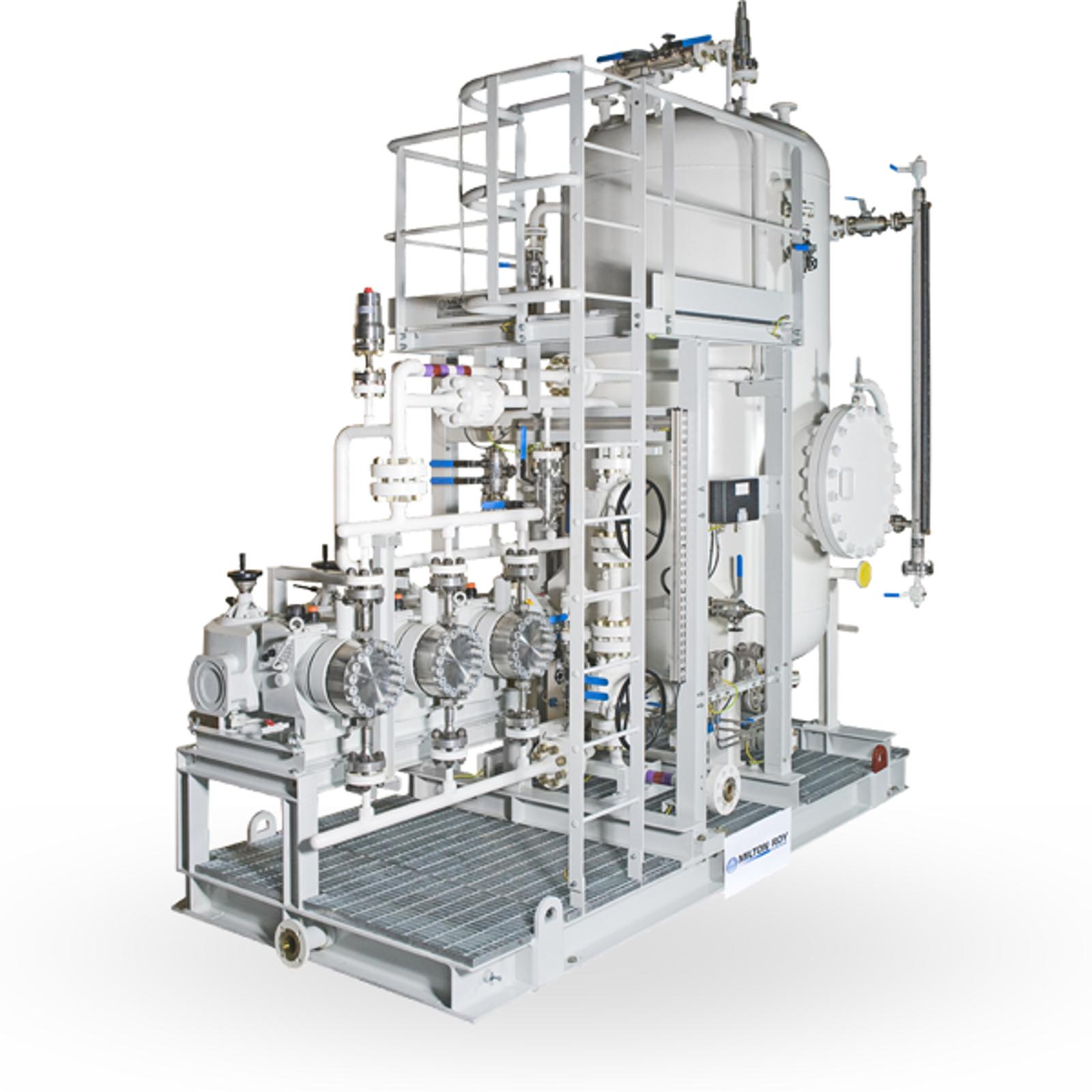
Modern utilities are moving beyond pump-on-a-shelf installations toward pre-engineered, skid-mounted dosing packages that integrate pumps, pulsation dampeners, calibration columns, back-pressure valves, safety relief, and instrumentation into a single delivered unit. This dramatically shortens commissioning, simplifies maintenance, and provides documented performance from day one.

Why Milton Roy for Drinking Water Disinfection

  • Deep municipal expertise
    Pumps and systems installed at thousands of utilities worldwide, from small communities to mega-cities.
  • Full chemistry coverage
    PVDF, PTFE, ceramic, and 316L wetted parts handle every common disinfectant, oxidant, and carrier solution.
  • Engineered systems
    Our ETO systems remove the engineering risk from plant builds and upgrades.
  • Regulatory authority
    Milton Roy maintains a dedicated Water Treatment Regulatory Compliance Guide covering SDWA, NPDES, EU Drinking Water Directive, and emerging PFAS rules.
  • Cross-portfolio strength
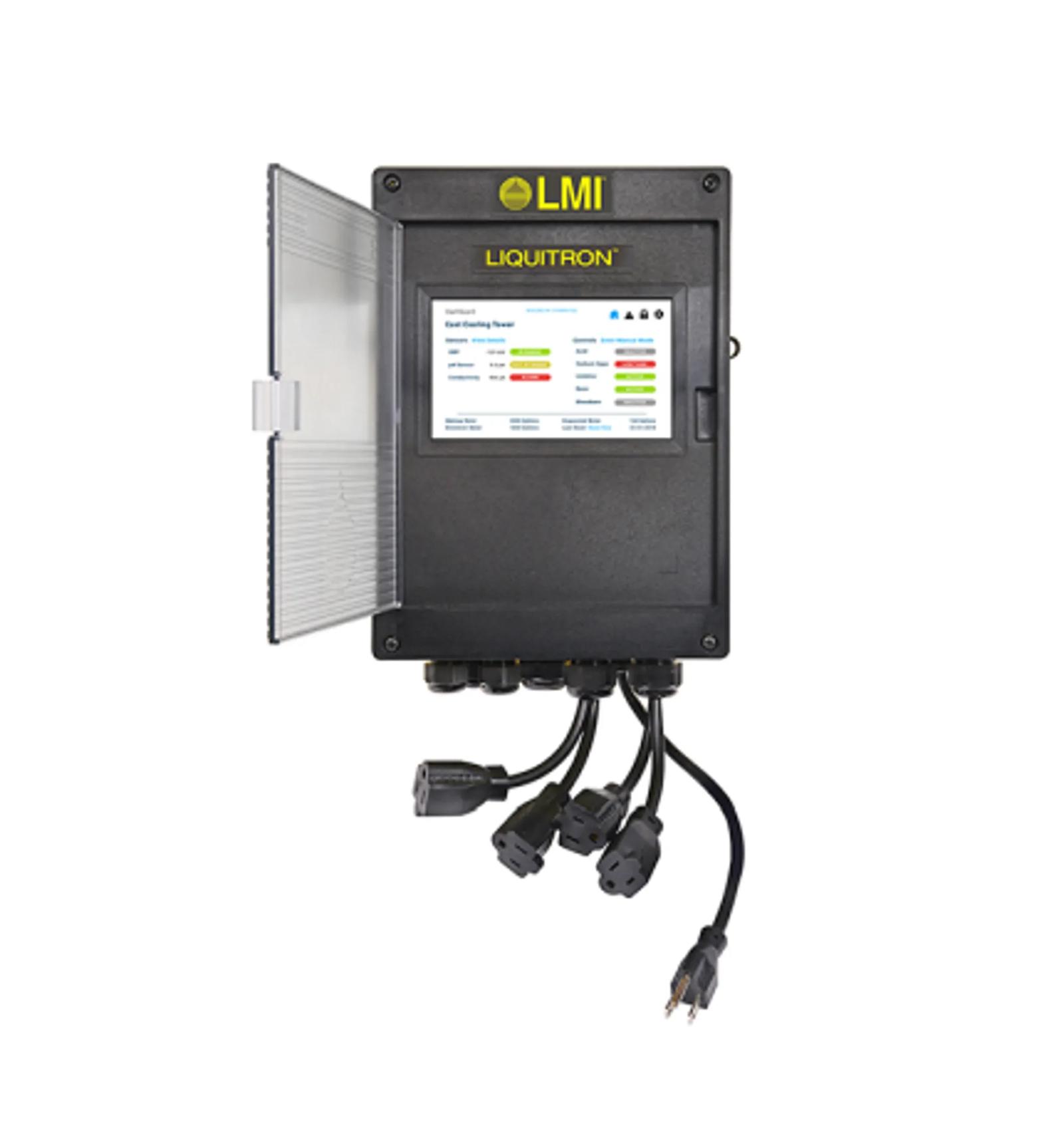
    Pairs naturally with Ingersoll Rand sister brands LMI (compact chemical feed pumps), Seepex (sludge handling), and ARO (AODD pumps).