Products
Metering Pumps
Process Pumps
Mixers
Systems & Skids
Electronics and Metering
Valves and Accessories
Industries & Applications
Water Treatment
Energy
Pyrolysis Plastics Recycling
Lithium Mining
Essential Pil Extraction
Palm Oil Production
Technology
Metering Pump Technology
Metering Pump Principles
Petrochemical Industry
Aftermarket & Support
CARE Maintenance Plans
Spare Parts Inventory
Resources
White Paper
Case Studies
Webinars on Demand
Digital Support Files
Certifications
Milton Roy YouTube Channel
Sales Terms & Conditions
About Us
News
Knowledge Hub
Careers
Sign Up for Newsletter

The aviation industry is actively working to reduce carbon emissions by adopting sustainable fuels and advanced technologies.

Sustainable Aviation Fuel (SAF) is a low-carbon alternative to fossil jet fuel, produced from renewable feedstock like vegetable oils, used cooking oil (UCO), and animal fats.

It delivers significant reductions in both carbon dioxide (CO₂) and non-CO₂ emissions while fully meeting stringent aviation safety standards. Already adopted by leading airlines and airports worldwide, SAF is accelerating aviation’s transition toward a more sustainable future.

Unlike hydrogen, which requires new infrastructure and aircraft adaptations, SAF is a drop‑in fuel compatible with existing aircraft and infrastructure.  While currently being blended with conventional jet fuel to meet certification requirements, the long‑term goal is to enable full 100% SAF operation.

Industrial agitators are essential at several steps of SAF production. From pretreatment to final fuel storage, they ensure feedstocks and finished fuels remain homogeneous, stable, and compliant during production and storage.

Where Milton Roy Mixing Agitators help in SAF Production

Currently, the HEFA process (Hydrotreated Esters and Fatty Acids) is the leading technology for producing SAF, due to its lower production costs compared to the other technologies.

Engineered for high efficiency, our mixers support multiple stages of Sustainable Aviation Fuel (SAF) production and storage, ensuring reliable performance across several critical steps:

  • Feedstock preparation
  • Raw oils and fats pretreatment
  • Hydrotreatment in the reactor
  • Isomerization & Cracking
  • Blending of additives
  • Blending with regular jet fuel
  • Final SAF/fuel storage

Like renewable diesel, SAF is mainly made from wastes: raw oils and fats such as used cooking oil (UCO), vegetable oils and animal fats. Those raw materials are usually heterogeneous and can contain solids, water, food waste, gums, and fatty acids that must be properly managed before conversion.

In the HEFA process, raw oils are cleaned by several pretreatment steps before entering the reactors:

Industrial agitators ensure a homogeneous feedstock during pretreatment steps such as degumming, neutralization, and bleaching, preventing phase separation and solids or gums settling. By keeping the material consistently mixed, they guarantee uniform distribution of injected chemicals and stable processing conditions.

This effective agitation improves heat transfer and enhances contact between raw oils and treatment chemicals, increasing reaction efficiency and process reliability.

Our mixers operate in neutralization processes where free fatty acids are removed by reacting with an alkaline solution.

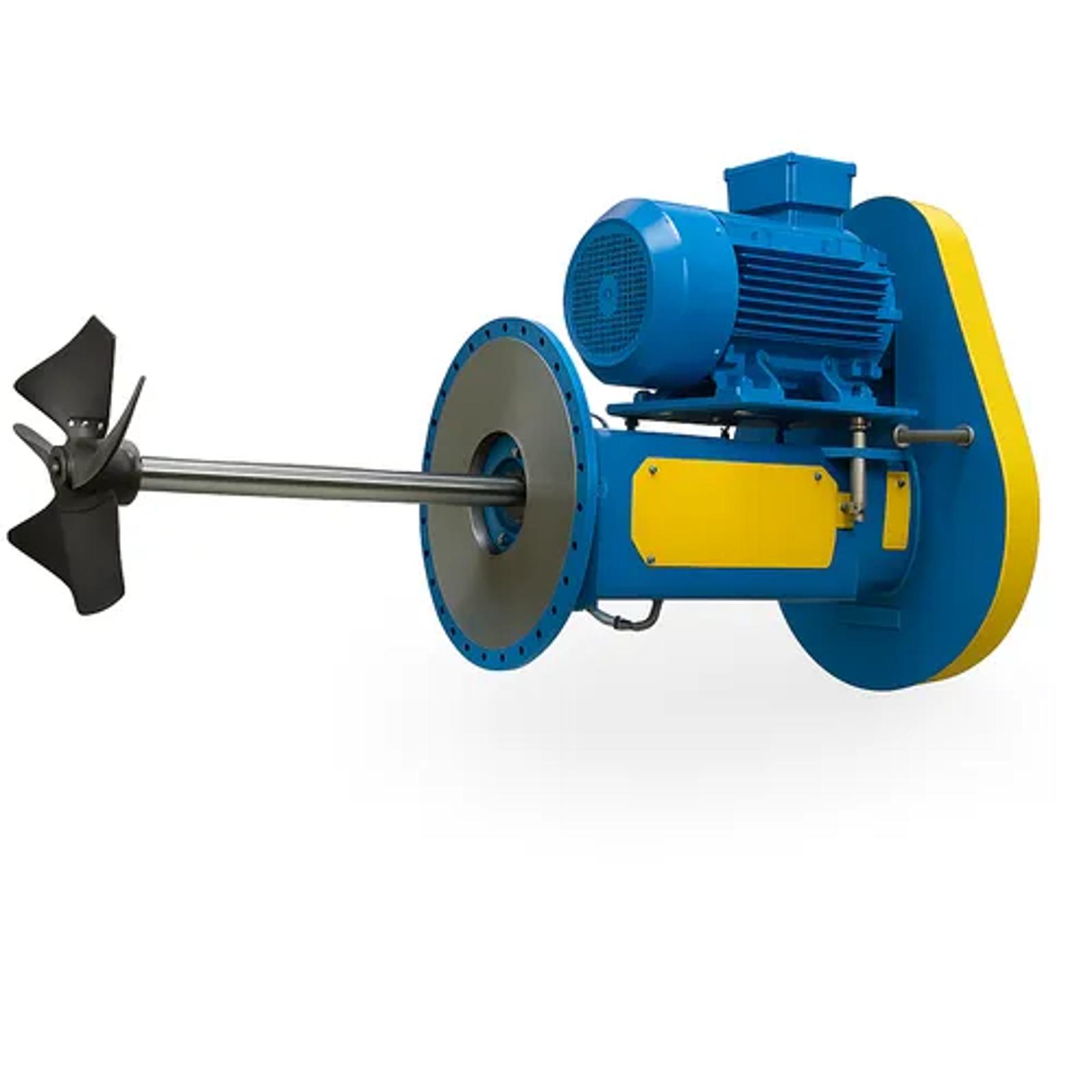
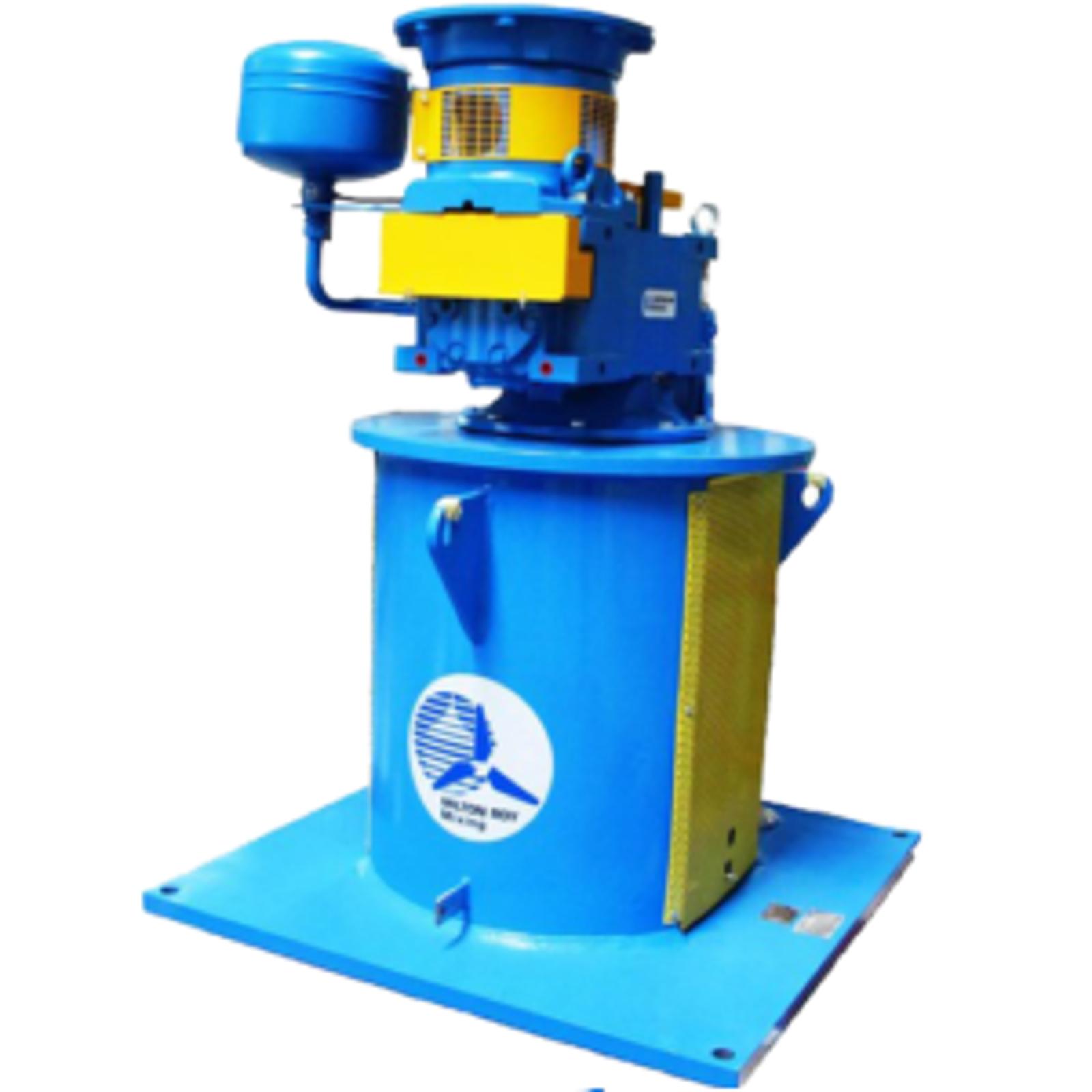
Our Mixers for Sustainable Aviation Fuel (SAF)

Milton Roy mixers ensure consistent homogeneity and product stability, preventing settling, crystallization, and separation throughout the SAF production process. By enhancing reaction efficiency during hydrogenation and isomerization, they help maximize yields while meeting the strictest aviation safety standards — all through a durable, energy-efficient design built for continuous operation.

Not Sure Which Agitator Fits Your Process?

Tell us about your fluid, tank, and mixing objectives — our engineers will recommend the right solution within 48 hours.