

Products
Metering Pumps
Process Pumps
Mixers
Systems & Skids
Electronics and Metering
Valves and Accessories
Industries & Applications
Water Treatment
Energy
Pyrolysis Plastics Recycling
Lithium Mining
Essential Pil Extraction
Palm Oil Production
Technology
Water Treatment
Energy
General Industry
Metering Pump Technology
Metering Pump Principles
Petrochemical Industry
Aftermarket & Support
CARE Maintenance Plans
Spare Parts Inventory
Resources
White Paper
Case Studies
Webinars on Demand
Digital Support Files
Certifications
Milton Roy YouTube Channel
Sales Terms & Conditions
About Us
News
Knowledge Hub
Careers
Sign Up for Newsletter

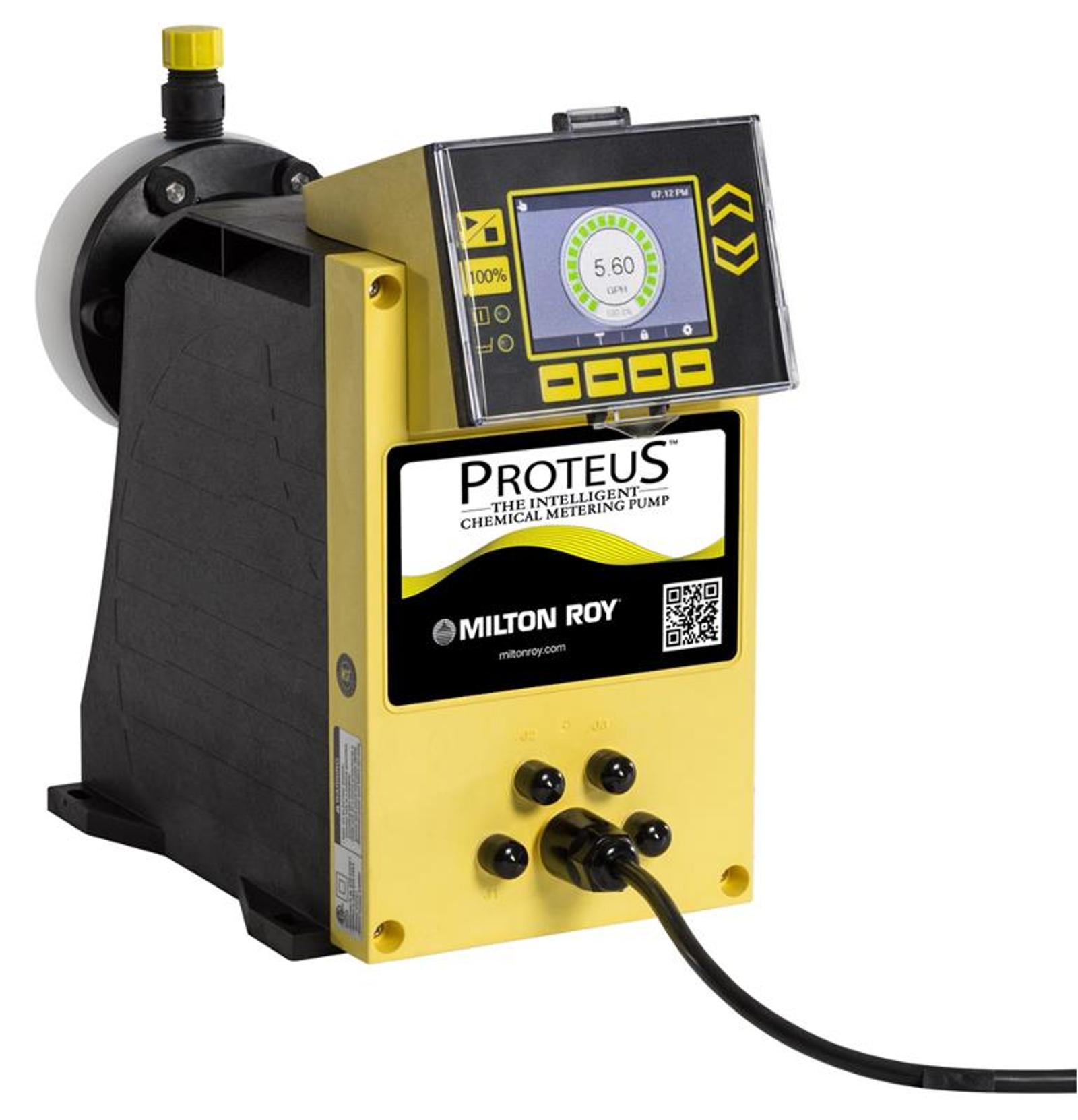
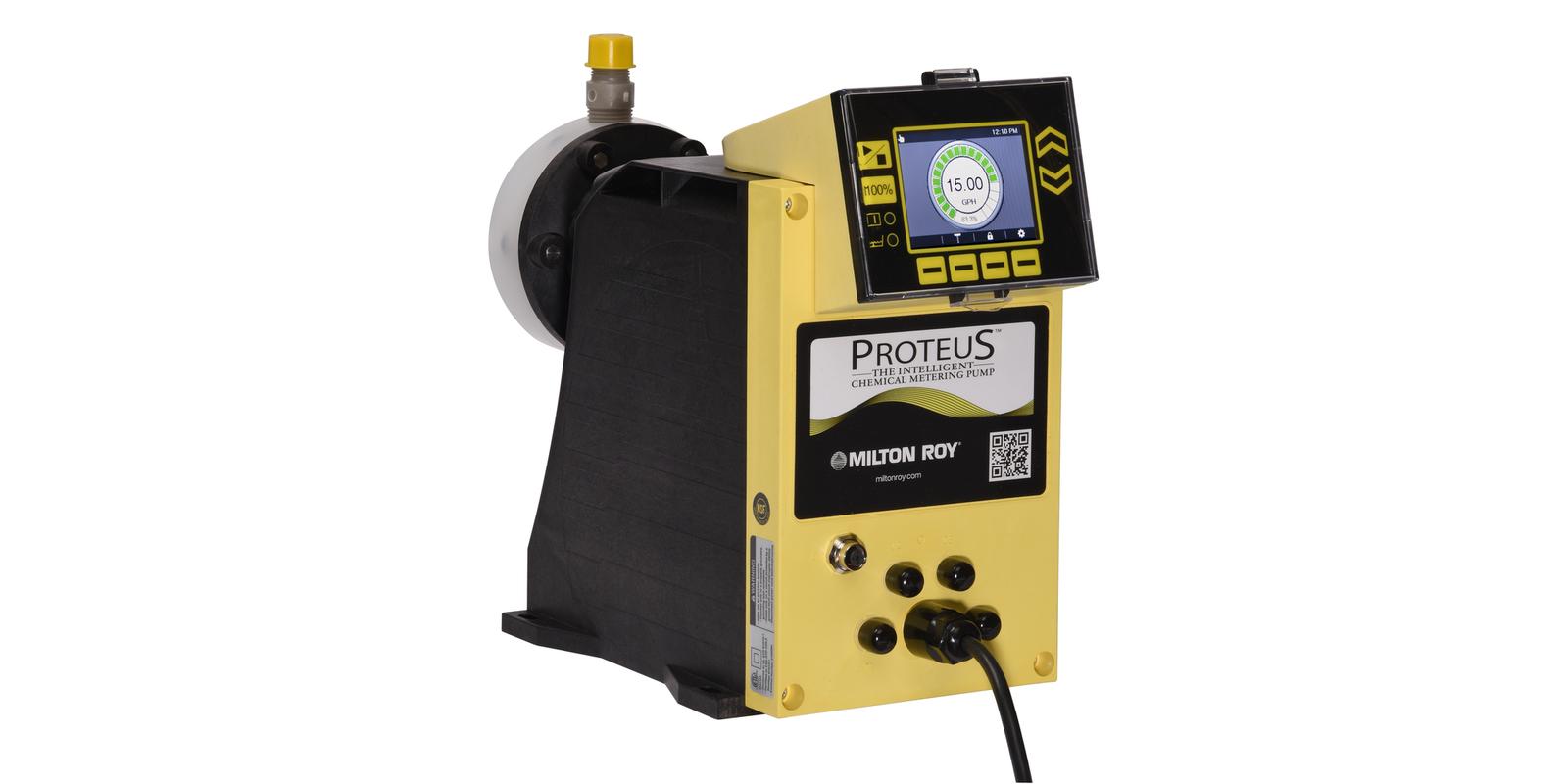
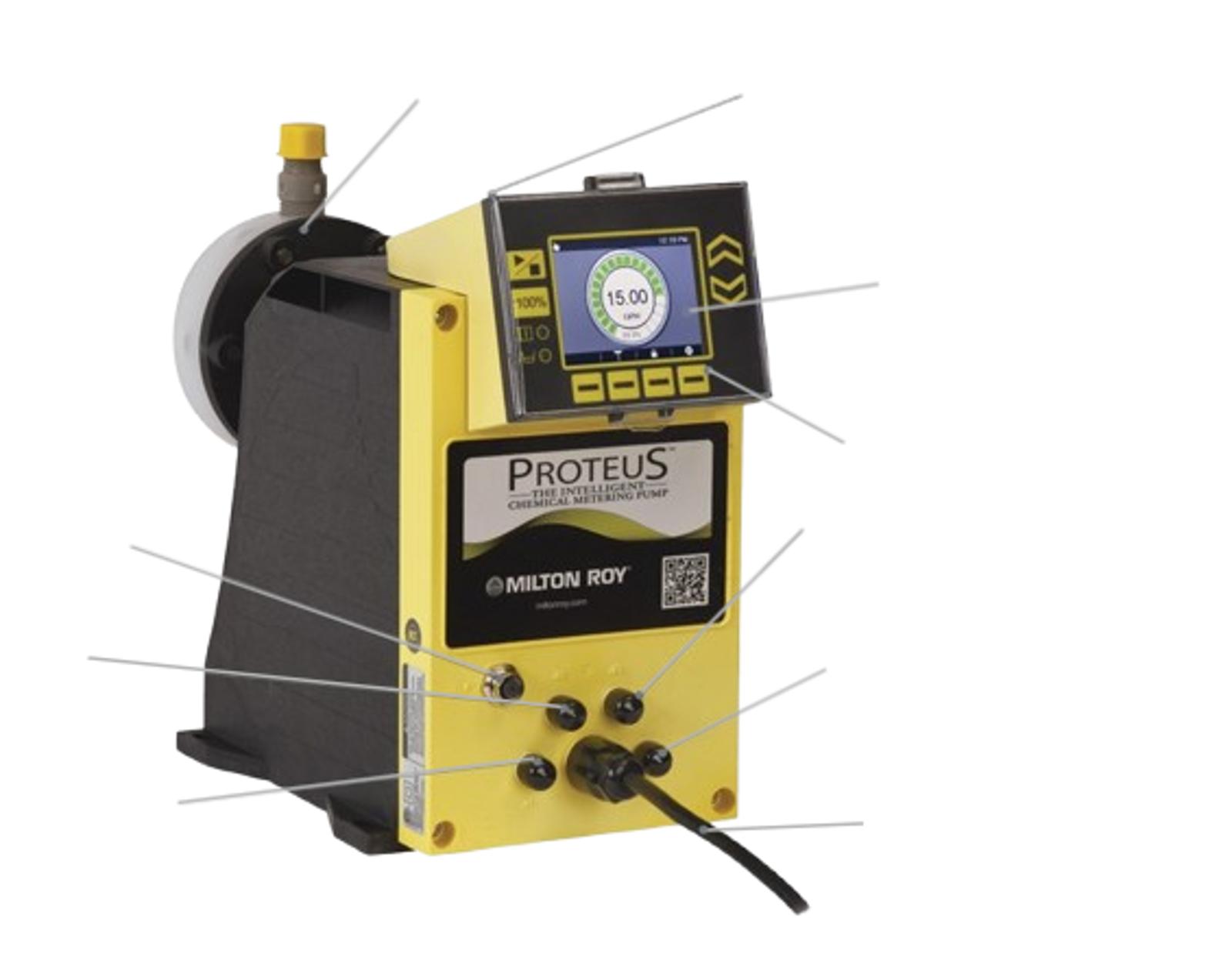
The PROTEUS series represents Milton Roy’s latest evolution in mechanically actuated diaphragm (MAD) technology—combining proven mechanical reliability with advanced digital control and connectivity.

Designed for modern industrial environments, PROTEUS transforms traditional dosing equipment into an intelligent, fully integrated process solution, enabling improved control, visibility, and operational efficiency.

A New Generation of Mechanical Metering

At its core, the PROTEUS™ series retains the advantages of mechanically actuated diaphragm pumps: a direct kinematic drive, predictable stroke-based dosing, and a structurally simple architecture.

This proven foundation is enhanced by an embedded digital layer that enables:

  • Real-time adjustment of dosing parameters
  • Continuous monitoring of pump operation
  • Integration with plant-wide automation systems

The result is a platform that bridges the gap between mechanical robustness and digital performance.

Product Range Overview

The PROTEUS series is structured to address a wide range of chemical dosing requirements through distinct models, each engineered to match specific performance and control needs.

Operational Benefits

The PROTEUS™ series is designed to improve both technical performance and operational efficiency:

  • Stable and repeatable dosing performance
  • Reduced manual intervention through automated control
  • Improved diagnostics and process visibility
  • Simplified maintenance compared to hydraulic systems

These advantages contribute to lower operating costs and improved process reliability.