Each production stage generates wastewater with distinct characteristics. Black liquor condensates carry COD of 5,000–20,000 mg/L and elevated BOD from wood-derived organics. Bleach plant effluent contains AOX (adsorbable organic halides) at 0.5–3.0 kg/tonne of pulp from chlorine-based bleaching, plus chlorinated phenolics and dioxin precursors. White water from the paper machine carries fine fibers, fillers (kaolin, CaCO₃, TiO₂), sizing agents, and wet-strength resins. Bark press filtrate adds tannins, resin acids, and high color.
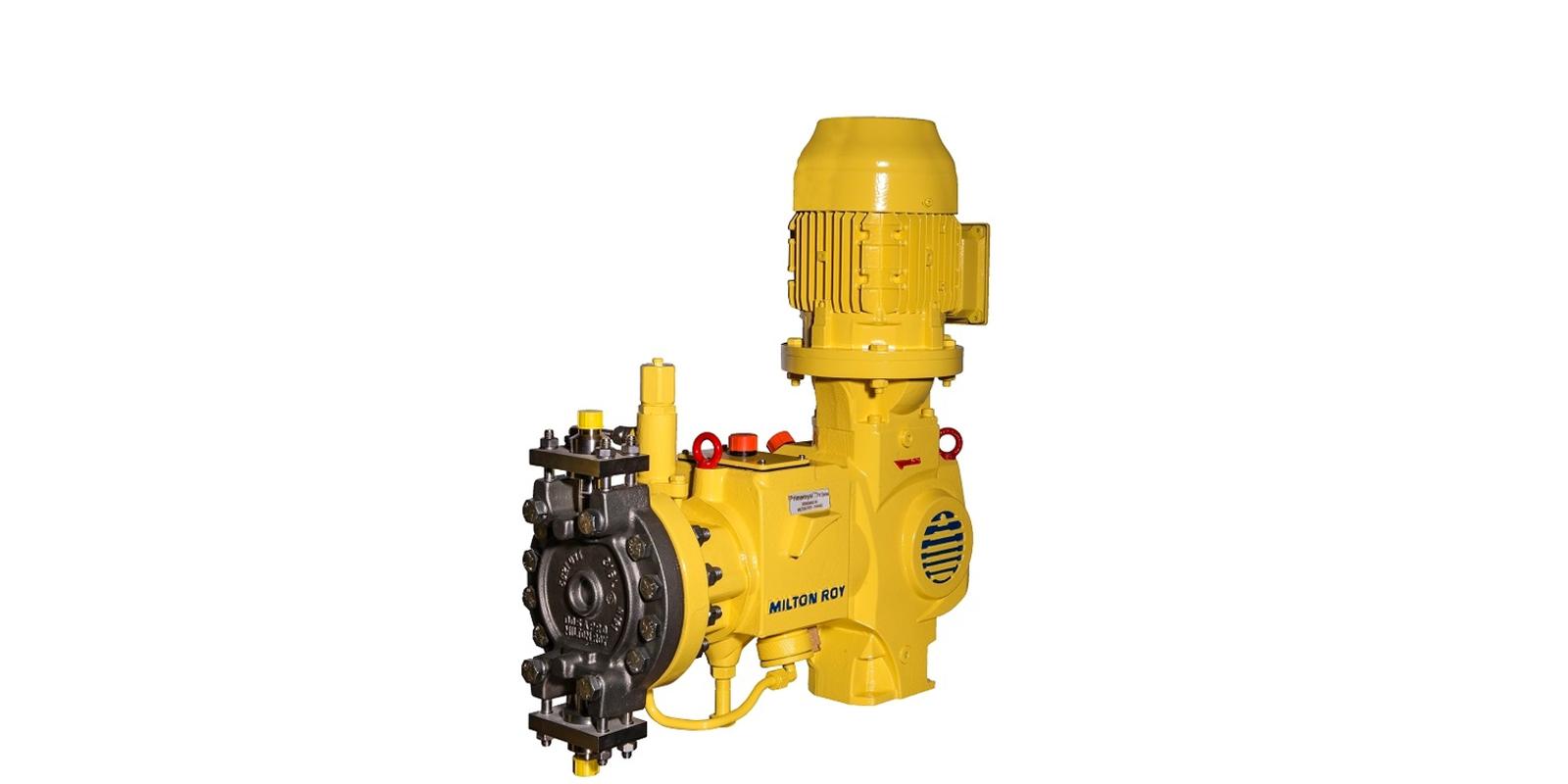
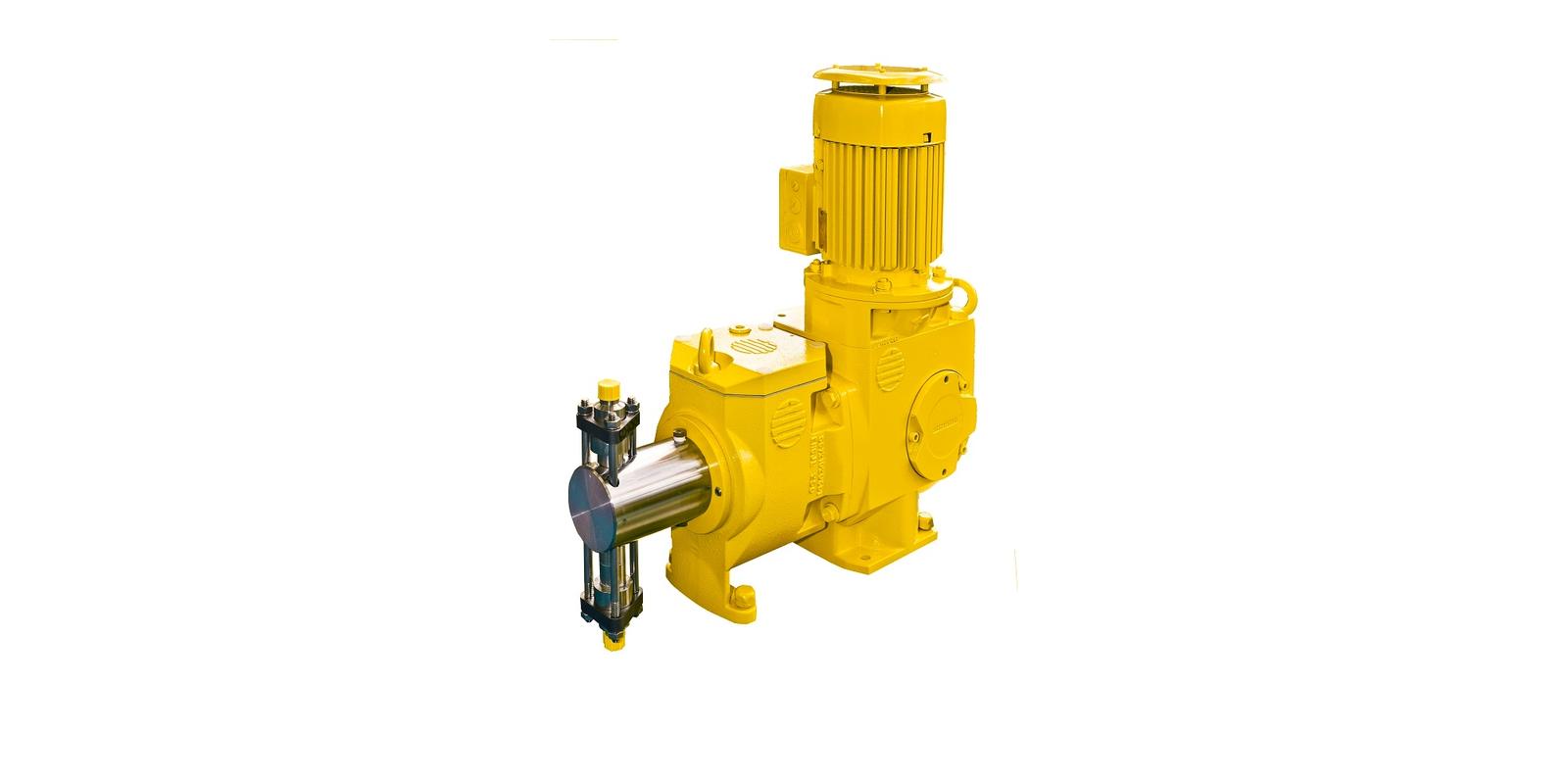
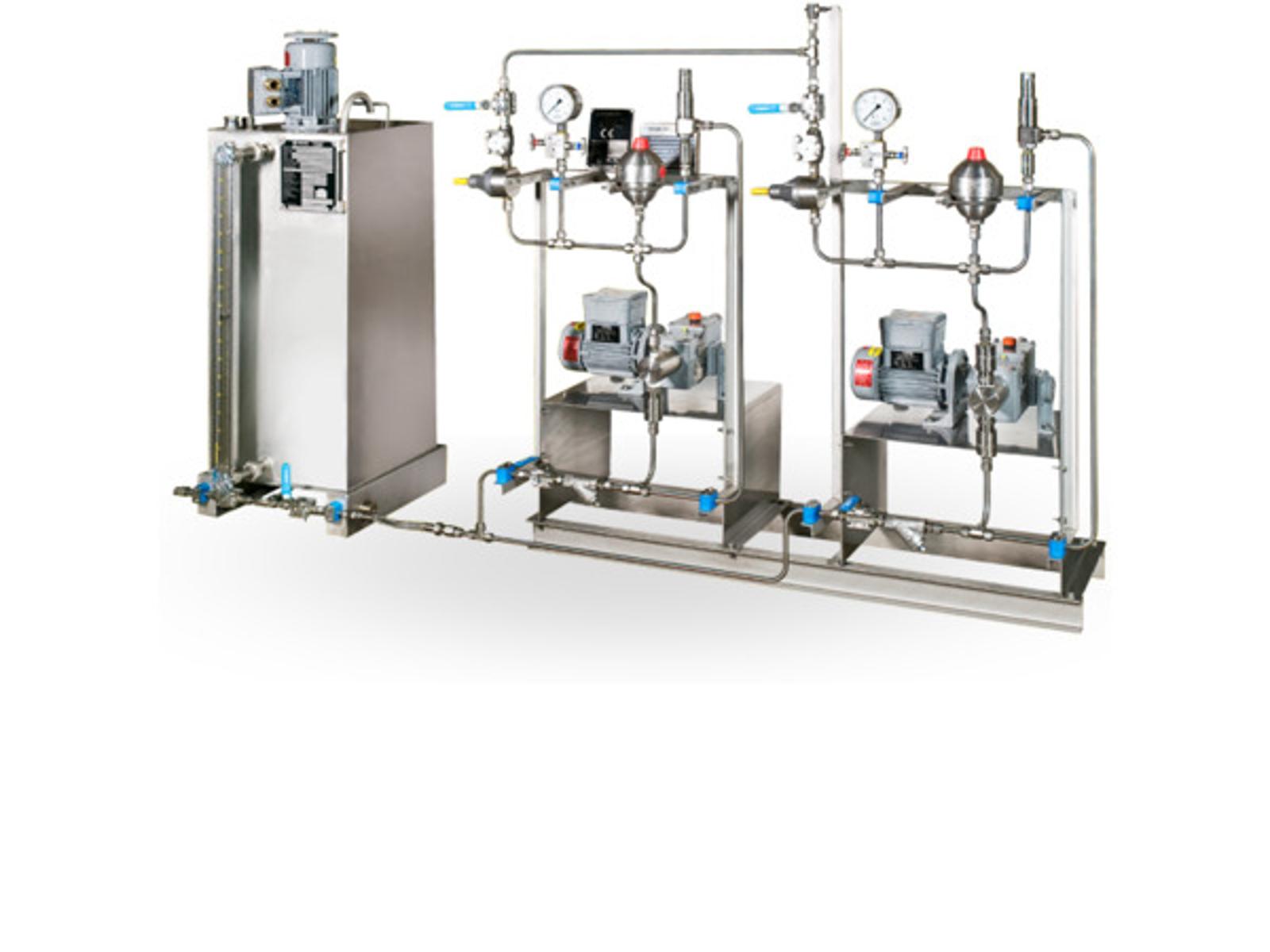
Chemical dosing is critical at every stage — and the chemicals involved are among the most demanding to handle in any industrial application. Chlorine dioxide (ClO₂) for ECF bleaching is explosive above 10% concentration in air and requires generation on-site. Hydrogen peroxide (H₂O₂) for TCF bleaching decomposes on contact with metals and requires passivated pump wetted parts. Tall oil soap and turpentine from chemical recovery are corrosive and fouling. Lime slurry for causticizing is abrasive and scale-forming. Milton Roy has decades of experience in the pulp and paper sector, with metering pumps specifically engineered for these challenges.
.png?format=pjpeg&width=1600&quality=75&auto=webp)