Why Traditional Mining Falls Short
Lithium is abundantly available worldwide, with major reserves in Chile, Australia, Argentina, China, Canada, and beyond. Historically, two methods have dominated extraction: hard-rock mining and brine evaporation.
Hard-rock mining involves drilling and blasting to reach lithium-bearing ore, followed by crushing and grinding to liberate the mineral. The concentrated spodumene is then upgraded through froth flotation — an aeration step where bubbles selectively carry the lithium-bearing particles to the surface — before the concentrate moves on to roasting and chemical refining. While effective, the full sequence generates significant waste, disrupts ecosystems, and requires substantial energy inputs.
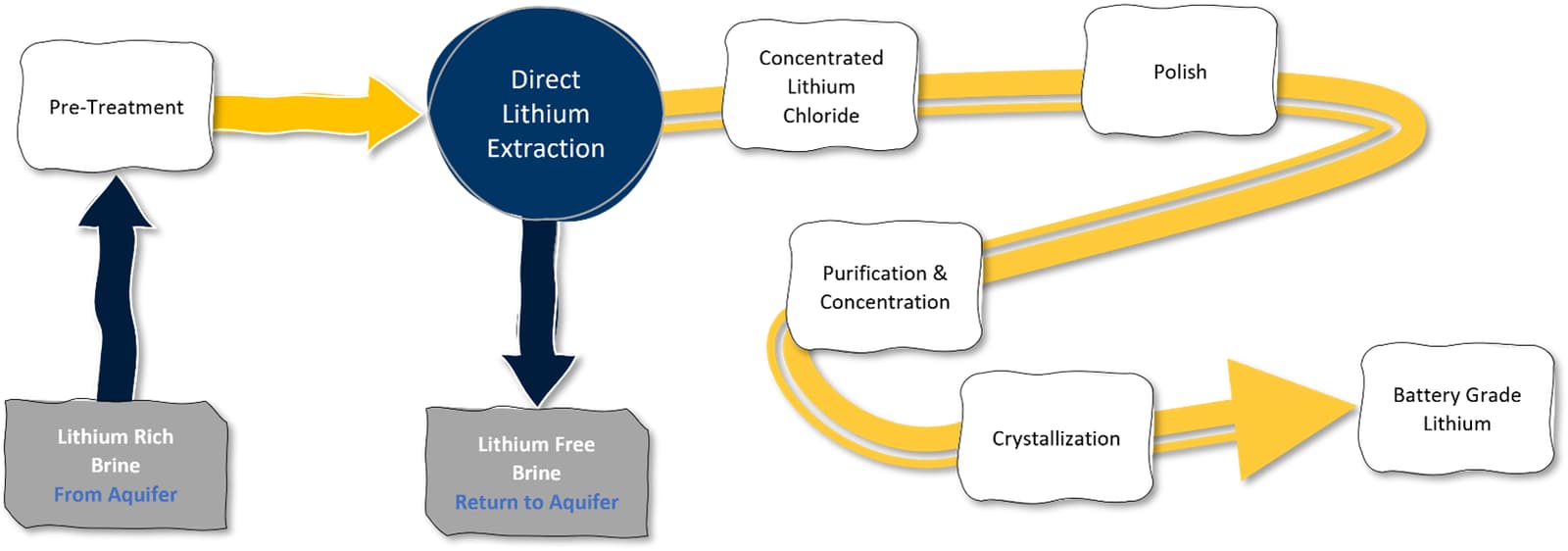
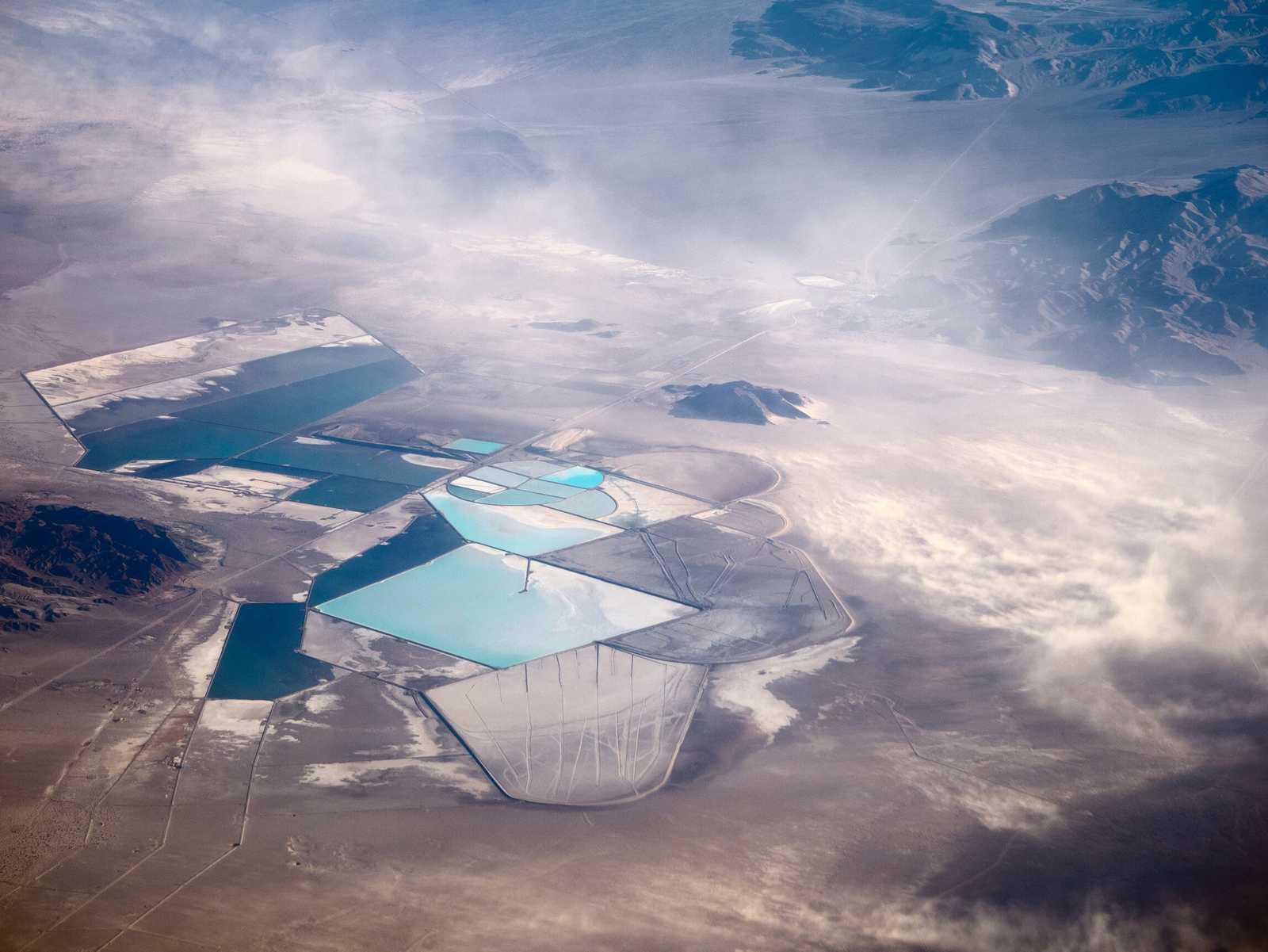
Brine mining, on the other hand, pumps lithium-rich water from underground reservoirs into vast evaporation ponds. The process is slow — often taking months to years — and consumes enormous volumes of water. Estimates indicate that producing one ton of lithium from brine requires approximately 8 million liters of water, placing serious strain on local communities and ecosystems, particularly in arid regions where deposits are most concentrated.