Pumping Options
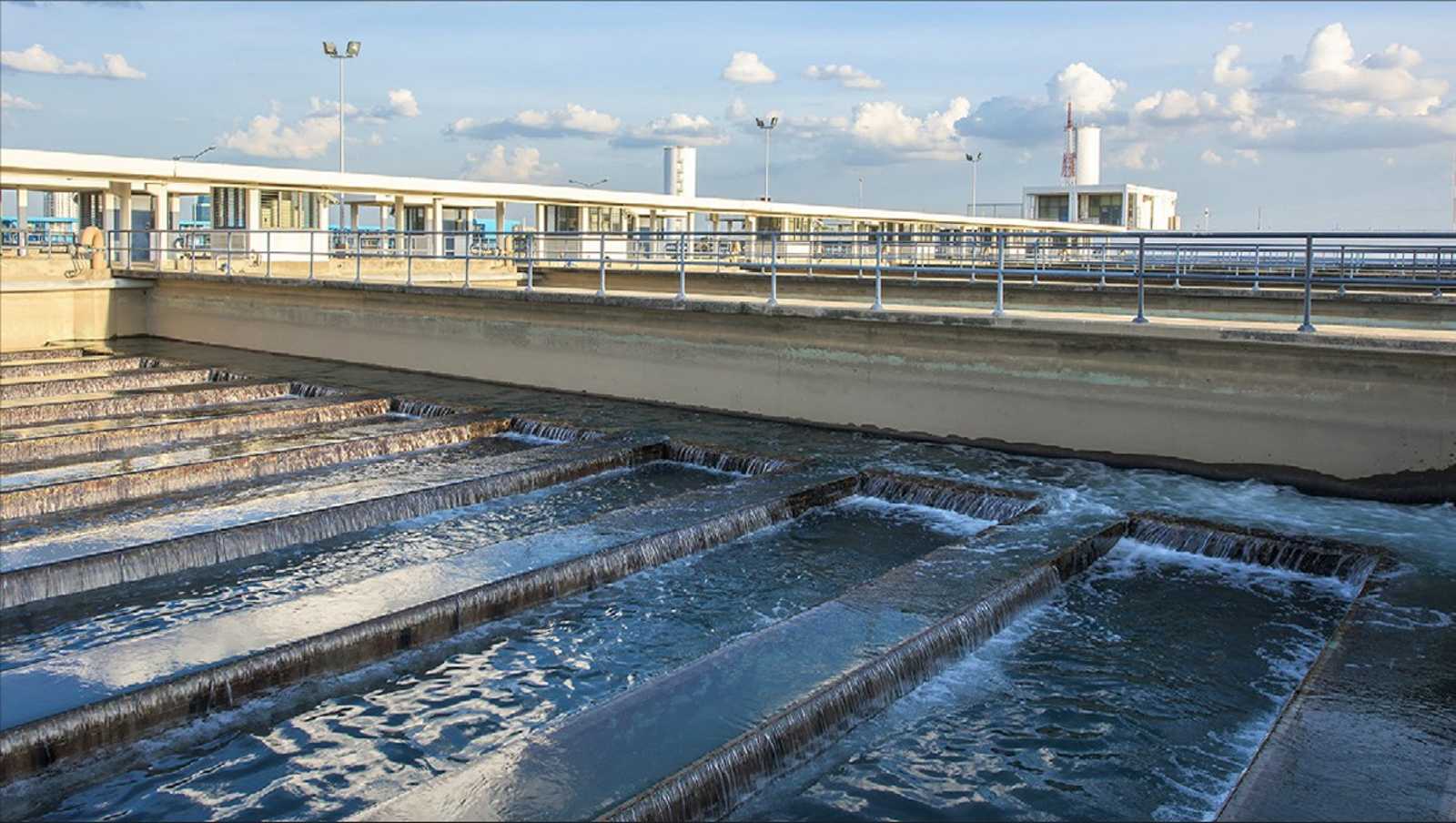
Various types of treatment activities take place at municipal wastewater plants. They include removing solid material such as sludge and sediment and dissolving suspended organic material such as nitrogen and phosphorus, as well as disinfecting water by killing disease-causing microorganisms. All these processes vary widely depending on what the final product is supposed to be used for. Drinking water obviously requires more intensive cleaning than water used for industrial or irrigation purposes.
A series of steps including coagulation and flocculation, pH control, de-chlorination, chemical precipitation and oxidation, ion exchange, chemical neutralization and stabilization, and taste and odor control need to be taken during each treatment process. In each of these steps an assortment of chemicals are used in different combinations until the desired water standard has been achieved.
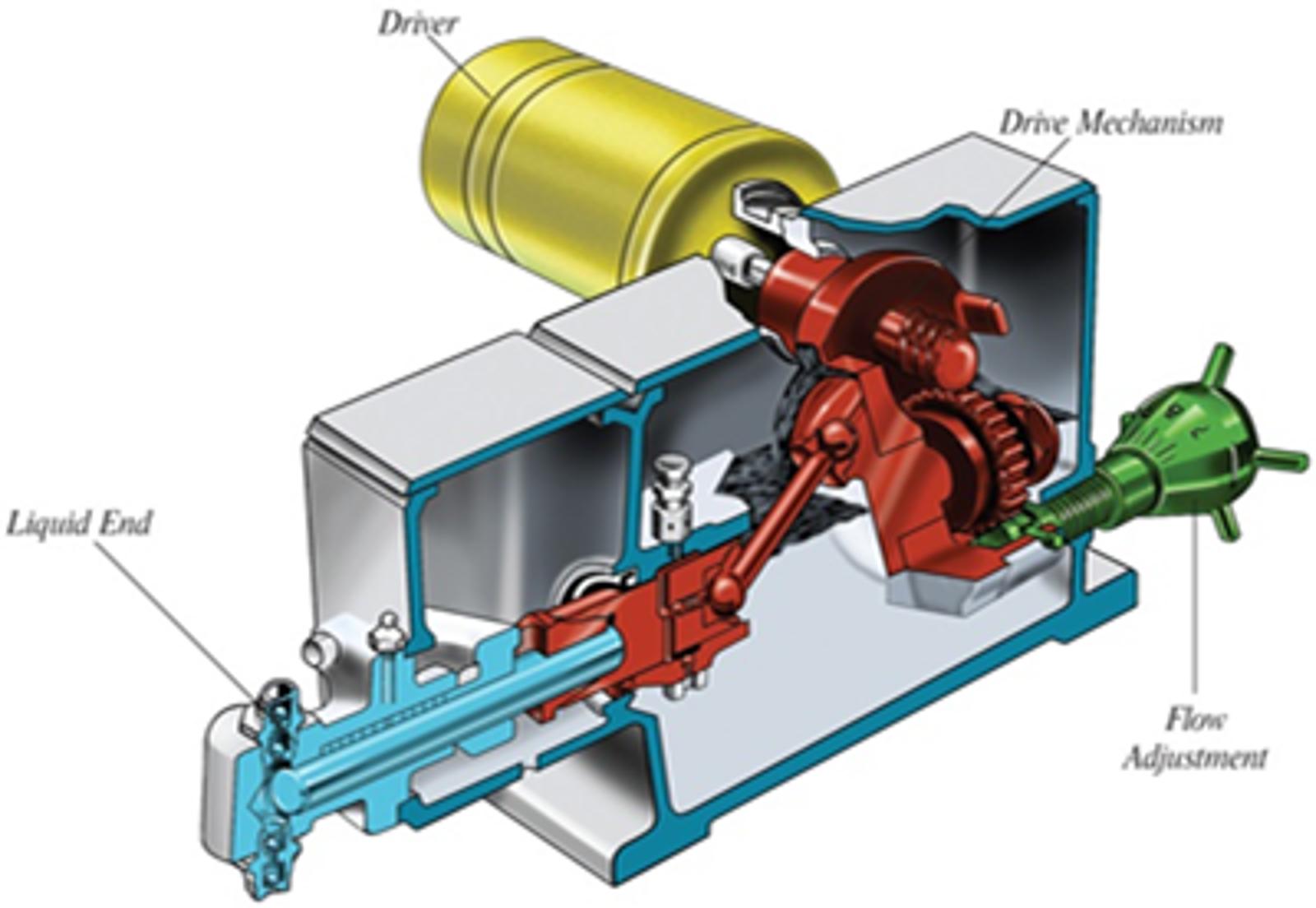
It is here that diaphragm pumps come in handy, metering out the correct amounts of chemicals needed in each of these processes. The HAD and MAD pump technologies remain the two proven and most often used pressure solutions in the industry.
.png?format=pjpeg&width=1600&quality=75&auto=webp)
.png?format=pjpeg&width=1600&quality=75&auto=webp)