Products
Metering Pumps
Process Pumps
Mixers
Systems & Skids
Electronics and Metering
Valves and Accessories
Industries & Applications
Water Treatment
Energy
Mining & Mineral Processing
Chemical Industry
General industry
Technology
Metering Pump Technology
Metering Pump Principles
Aftermarket & Support
CARE Maintenance Plans
Spare Parts Inventory
Resources
White Paper
Case Studies
Webinars on Demand
Digital Support Files
Certifications
Milton Roy YouTube Channel
Sales Terms & Conditions
About Us
News
Knowledge Hub
Careers
Sign Up for Newsletter

Renewable Natural Gas (RNG) — also called biomethane or sustainable natural gas (SNG) — is pipeline-quality methane recovered from organic waste streams and upgraded to fully replace fossil natural gas. Certified as an advanced (and in many cases cellulosic) biofuel under the U.S. Renewable Fuel Standard (RFS2), qualifying under California's LCFS, Canada's Clean Fuel Regulations, and the EU's RED III, RNG is one of the few decarbonization pathways that is drop-in compatible with existing gas infrastructure — from distribution networks and industrial burners to CNG/LNG heavy-duty fleets.

Global RNG capacity has more than tripled since 2020, with the IEA projecting biomethane could meet 20% of today's natural gas demand by 2040 under a Net-Zero trajectory. Behind every operating digester, upgrader, and grid-injection skid is a chemistry challenge — and behind every chemistry challenge is a metering pump that must deliver flow accuracy, reliability, and zero leakage 24/7.

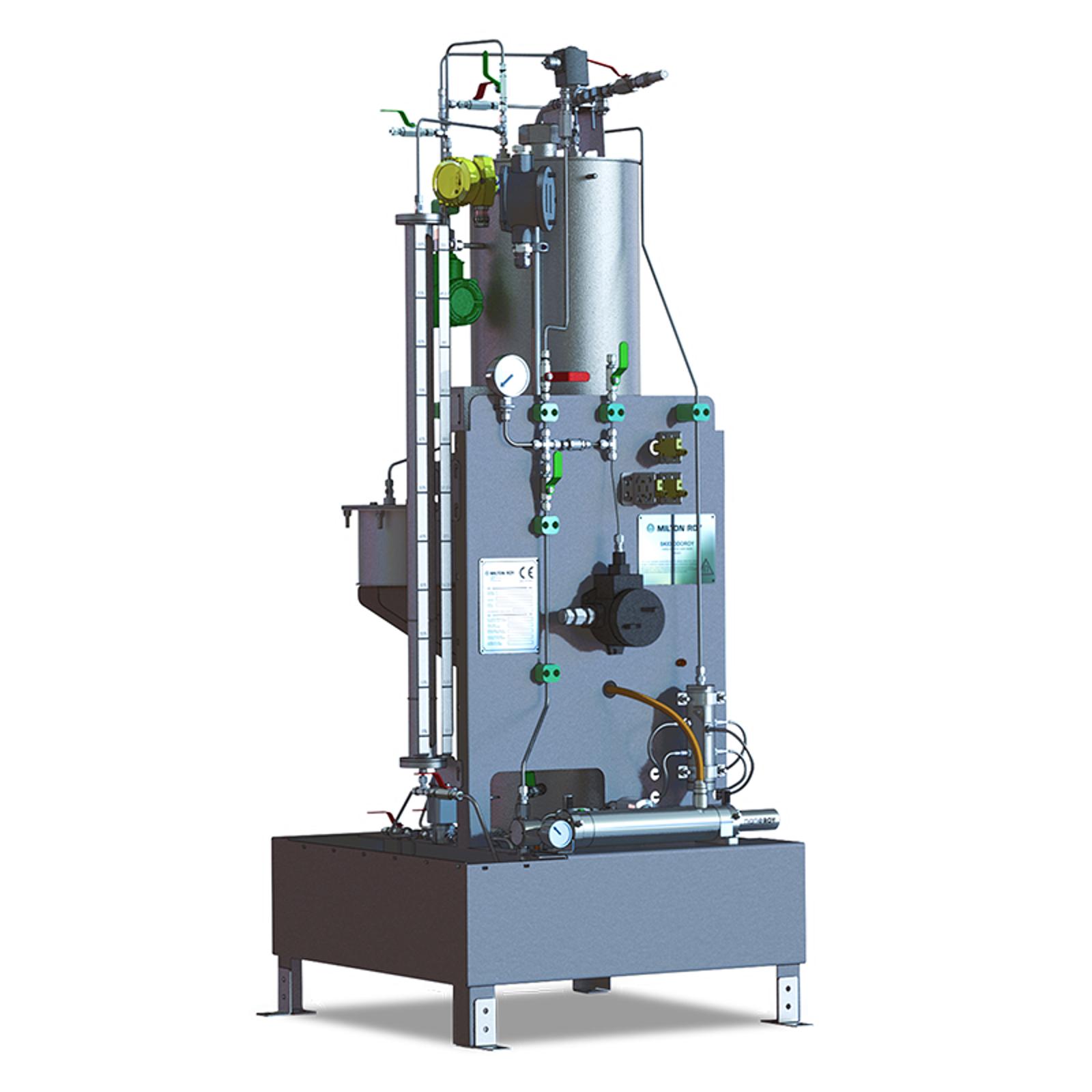
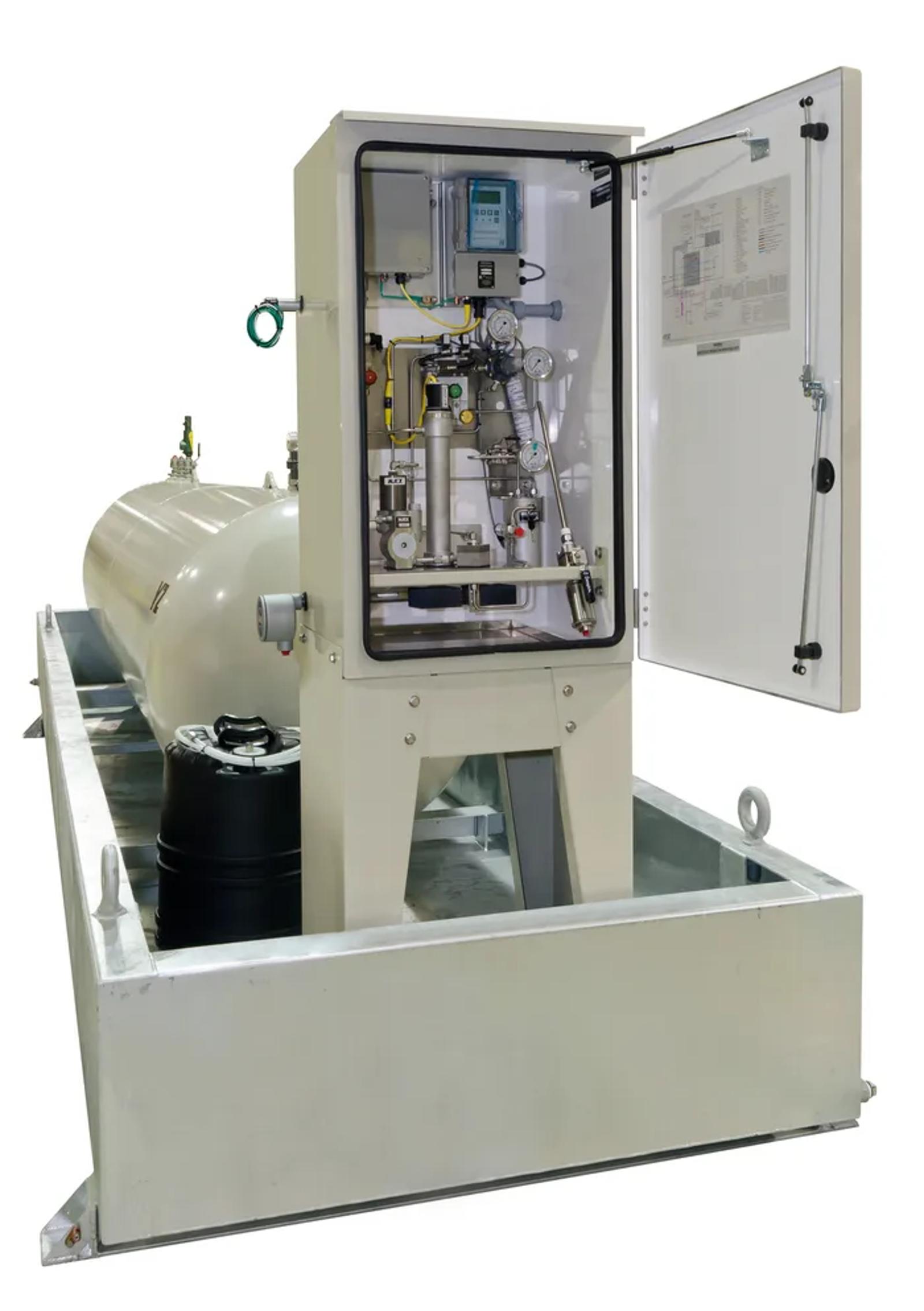
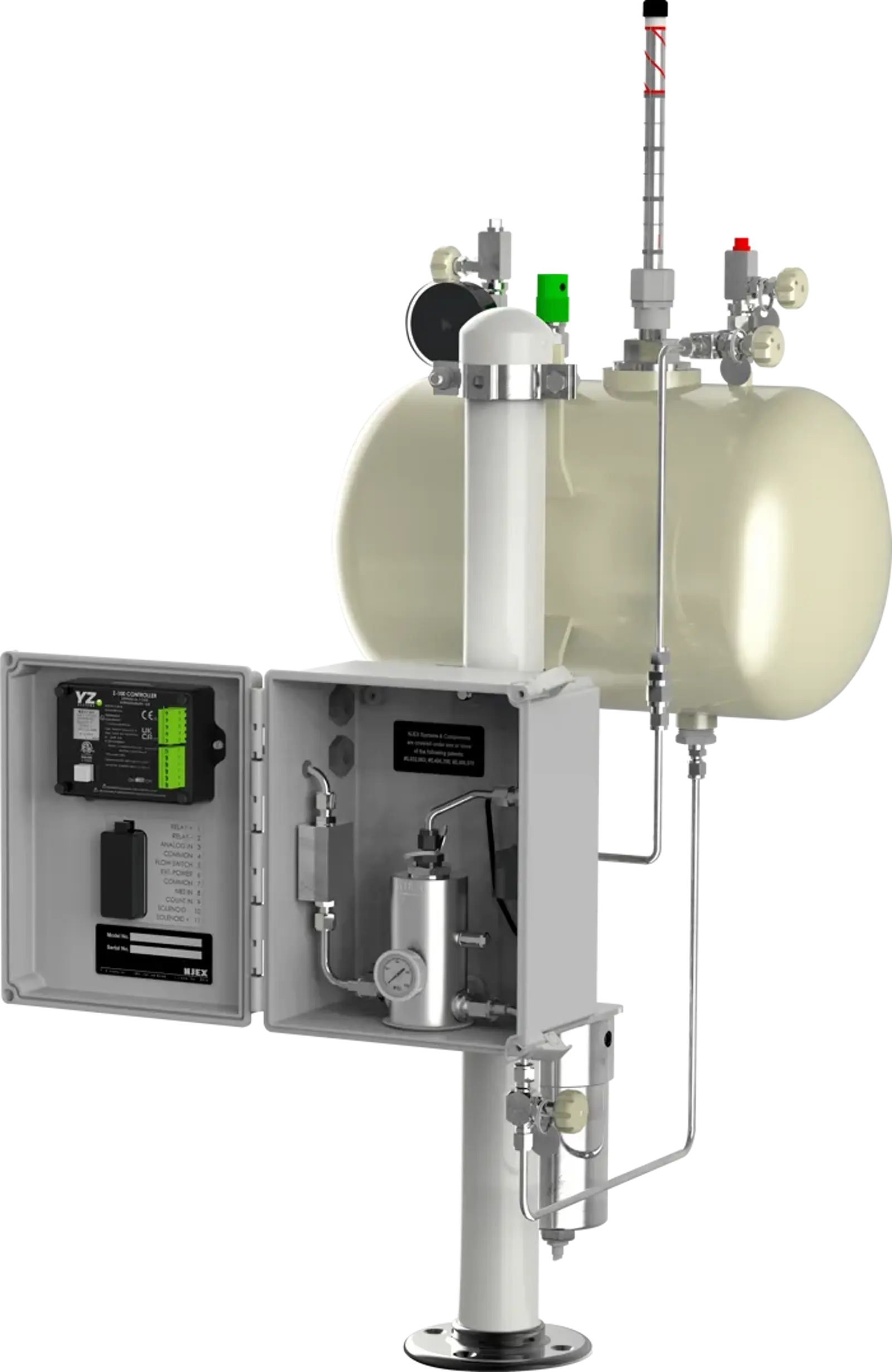
Milton Roy supports RNG producers across the entire value chain — feedstock preprocessing, anaerobic digestion, biogas upgrading, conditioning, odorization, and grid injection — with API 675-class metering pumps, integrated dosing skids, and the ODOROY® odorization platform trusted by European gas network operators.

What Is Renewable Natural Gas?

RNG is produced by capturing biogas generated when microorganisms break down organic matter in oxygen-free environments, then upgrading that biogas to >97% CH₄ pipeline specification.

Three primary biogas sources:

  1. Agricultural waste — Livestock manure, crop residues, energy crops, and food-processing waste digested in anaerobic digesters (AD), producing raw biogas typically composed of 50–70% CH₄, 30–50% CO₂, plus trace H₂S (100–5,000 ppm), ammonia, siloxanes, and water vapor.
  2. Landfill gas (LFG) — Methane and CO₂ released by decomposing municipal solid waste, captured through landfill collection wells; characteristically higher in siloxanes and VOCs.
  3. Wastewater treatment — Sewage sludge digestion at municipal WWTPs producing digester gas as a valuable byproduct of biological treatment.

Upgrading then removes CO₂, H₂S, siloxanes, VOCs, ammonia, and moisture to deliver biomethane that meets pipeline injection specifications (e.g., AGA, GPA 2261, EASEE-gas, EN 16723-1/2) — and to qualify for environmental credit programs (RIN D3/D5, LCFS, RTFC, GoO).
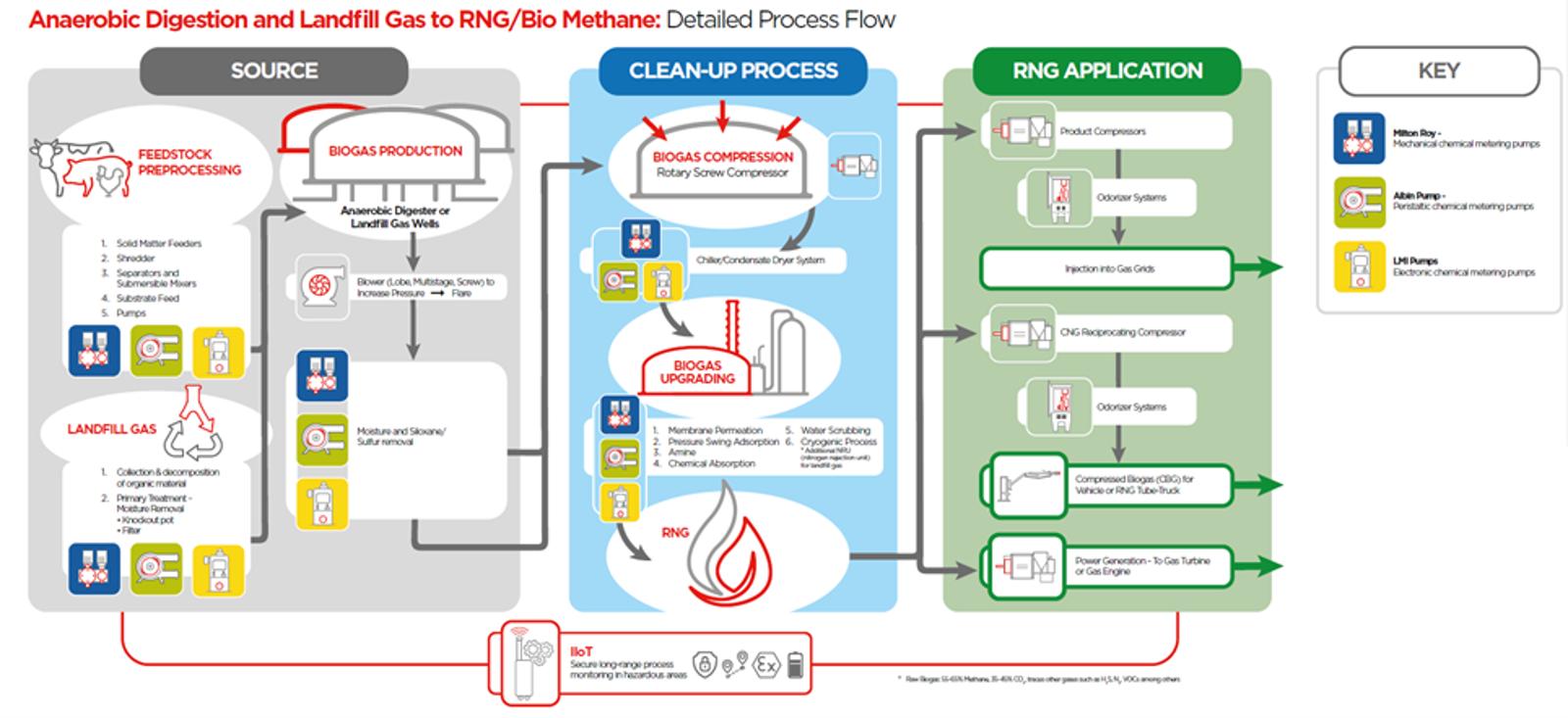
The RNG Production Process — Where Chemical Dosing Drives Yield, Uptime & Gas Quality

Before entering the digester, organic feedstock must be conditioned to maximize biogas yield, stabilize the microbial consortium, and prevent operational upsets:

  • pH adjustment — Injection of acid (H₂SO₄, HCl) or base (NaOH, lime) to hold incoming substrate within the 6.8–7.4 window required by methanogens.
  • Micronutrient supplementation — Trace dosing of iron, cobalt, nickel, molybdenum, selenium, and tungsten to sustain enzymatic activity, particularly in mono-substrate (manure-only or energy-crop) digesters.
  • Defoaming — Silicone- or vegetable-based antifoam injection to prevent digester overflows, foam-outs, and gas-line carryover.
  • Substrate dilution & blending — Controlled dosing of process water or recirculated digestate to hit the target dry-solids (TS) content — typically 8–12% for wet AD, 25–35% for dry AD.
  • Enzymatic / hydrolysis boosters — Optional dosing of enzymes or pre-hydrolysis acids to accelerate breakdown of lignocellulosic feedstocks.

RNG-process-map

Why RNG Producers Choose Milton Roy

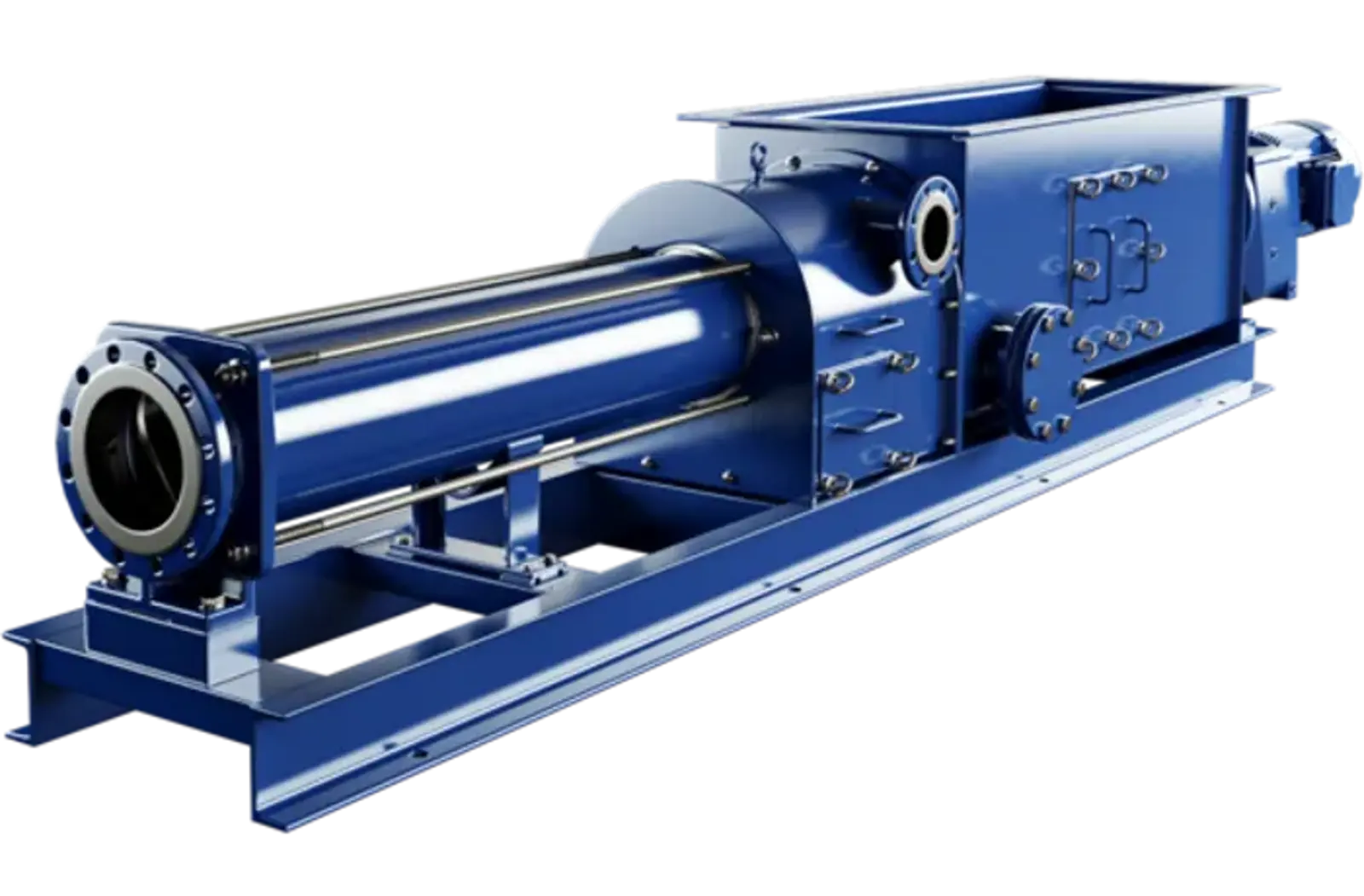
From farm-scale digesters to grid-injection skids, Milton Roy delivers API 675-class accuracy (±1%, 10:1 turndown), full chemical compatibility (acids, caustics, FeCl₃, amines, glycols, antifoams, biocides, odorants) and zero fugitive emissions through hydraulically actuated diaphragm liquid ends — all hazardous-area certified (ATEX, IECEx, CSA, NEC Class I Div 1/2) and available as pre-engineered dosing skids to accelerate EPC schedules. Backed by the Ingersoll Rand ecosystem — ODOROY® odorization, Haskel gas boosting, Seepex for sludges, LMI for smaller sites — one partner, one accountable solution across the full RNG value chain.